If you live in a hot climate and are considering adding to your fur family, you’ll want to adopt a breed that does well in warmer temperatures. The dog breeds that thrive in hot climates tend to have specific coat qualities and body structures better suited to warmer temperatures. Many have origins in warm climates with generations of adaptation and selective breeding under their belts. Read on to find photos and learn facts about 15 of the best hot-weather dog breeds.

The 15 Hot Weather Dog Breeds
1. Australian Cattle Dog
| Origin: | Australia |
| Height: | 17–20 inches |
| Weight: | 35–50 pounds |
| Lifespan: | 13–15 years |
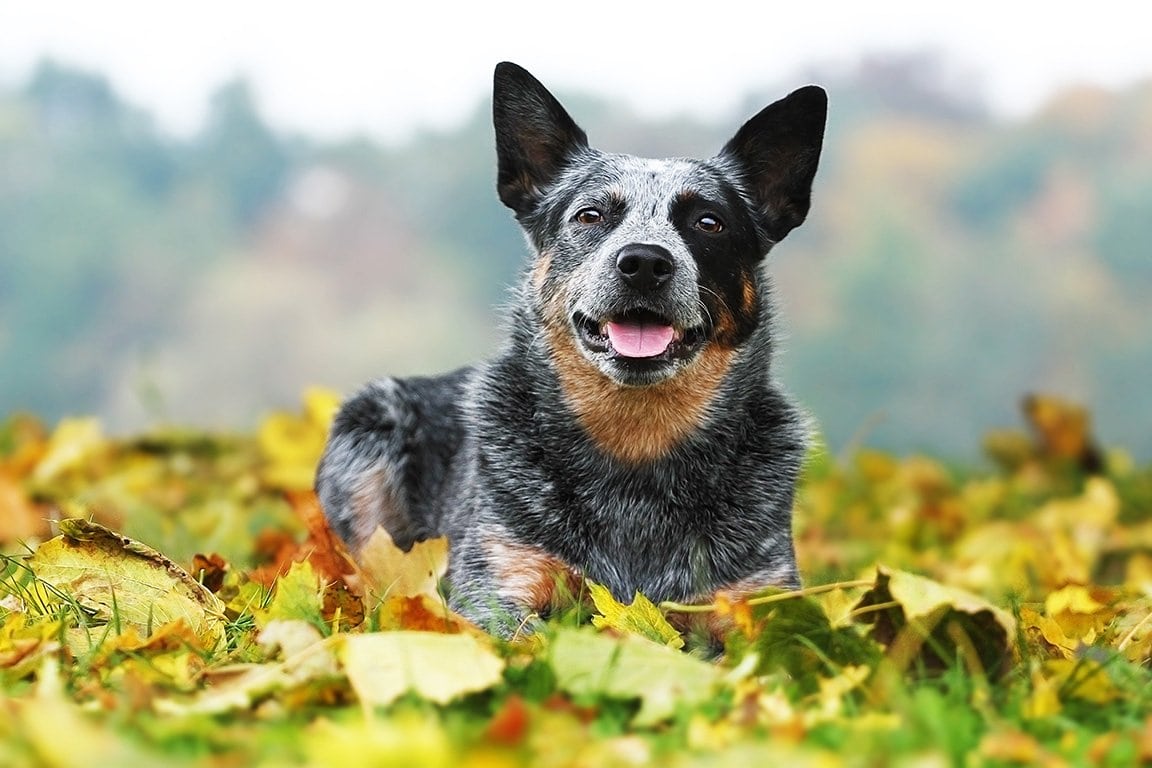
Australian Cattle Dogs are a type of herding dog originally developed in Australia. The continent generally has very pleasant and mild weather, boasting around 300 days of sunshine annually, so it makes sense that the Australian Cattle Dog would be one of the top breeds on our hot weather-friendly dog list. These active and hearty dogs have a strong drive to work and have evolved to do so in spite of Australia’s hot sun and warm temperatures. Their short double coat helps keep them cool during the hottest part of the day yet still provides insulation during the evening when temperatures start to drop.
2. Chihuahua

| Origin: | Mexico |
| Height: | 5–8 inches |
| Weight: | 5–8 pounds |
| Lifespan: | 14–16+ years |
Chihuahuas are named for the Mexican state of Chihuahua, where the breed was first noted in the 19th century. They’re thought to be descendants of the Techichi, a small desert-dwelling canine dating back to Mayan times. The Chihuahua’s thin coat and small size won’t provide much in the way of protection from cold weather, so they tend to feel more at home in climates that mimic the Mexican sunshine they spent centuries thriving in.
3. Ibizan Hound
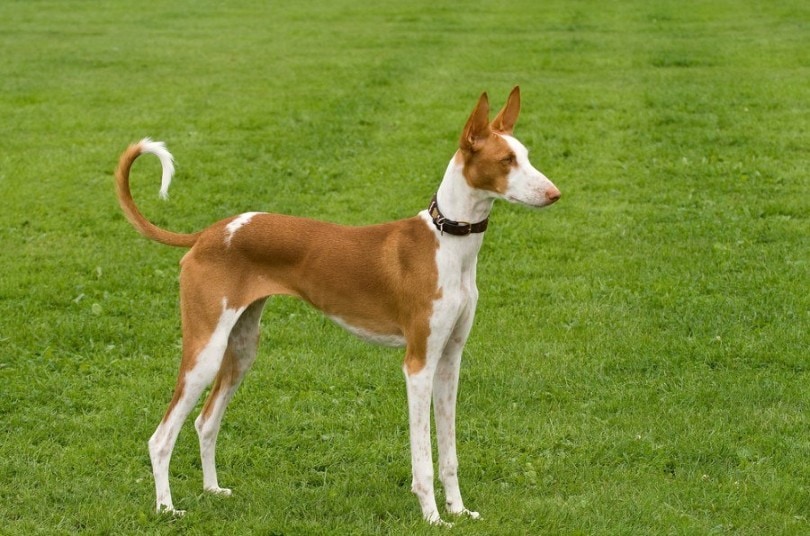
| Origin: | Ibiza |
| Height: | 22–28 inches |
| Weight: | 40–55 pounds |
| Lifespan: | 10–14 years |
The Ibizan Hound is a lean and agile dog in the hound family. They were developed on the rocky shores of Spain’s Balearic Islands for rabbit coursing, though it is likely that they descended from Egyptian hounds as images with their likeness were found in portraits dating back to 3400 BCE. Their short coats, big ears, and long legs are the perfect trifecta for hot weather qualities.
4. Afghan Hound
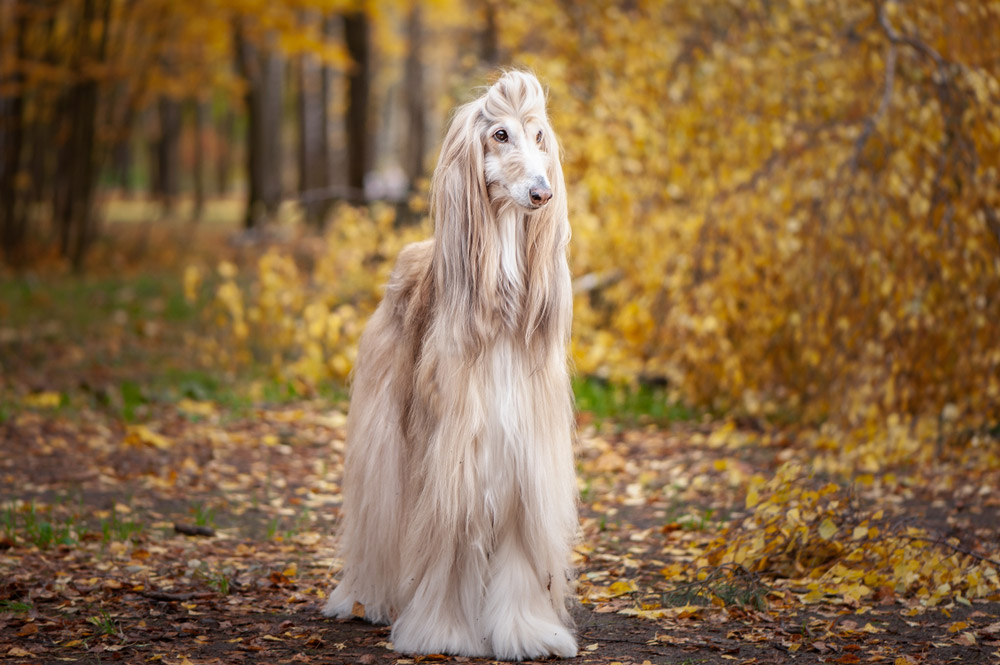
| Origin: | Afghanistan |
| Height: | 24–29 inches |
| Weight: | 50–60 pounds |
| Lifespan: | 12–16 years |
The Afghan Hound is a hound dog originating in Afghanistan. Their homeland is known for its hot daytime temperatures, which drop significantly in the evening. Don’t let their long, luxurious coat fool you into thinking this breed isn’t ideal for hot climates, though. Their flowing locks are a single coat, making them suitable for the temperature extremes often experienced in Afghanistan.
5. Basenji
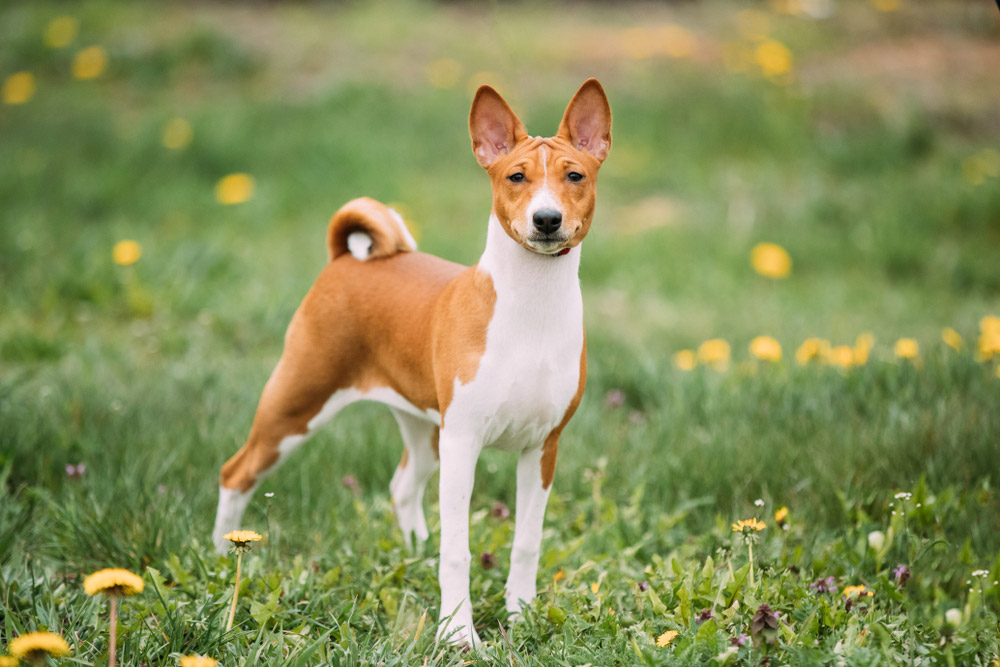
| Origin: | Democratic Republic of the Congo |
| Height: | 16–17 inches |
| Weight: | 22–24 pounds |
| Lifespan: | 10–14 years |
The Basenji is a hunting dog originally bred from stock from central Africa. Also known as the “Barkless Dog,” this breed is used to the equatorial climate of its homeland. Their short, fine coat helps keep them cool, and their sizable ears stay erect to allow excess heat to escape during periods of hot weather.
6. Italian Greyhound
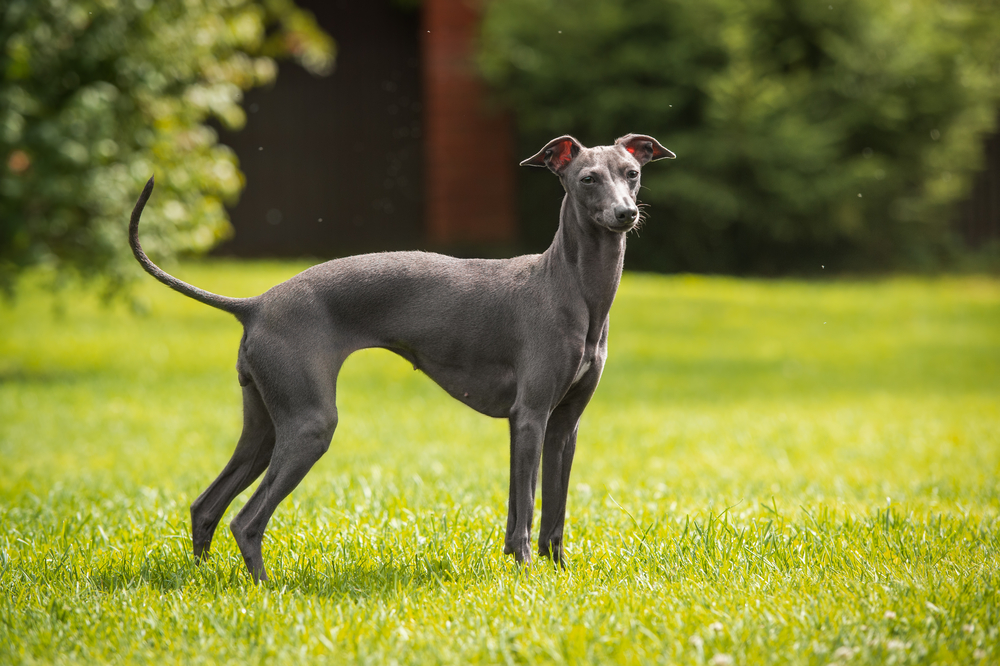
| Origin: | Italy |
| Height: | 13–15 inches |
| Weight: | 7–14 pounds |
| Lifespan: | 14–15 years |
Italian Greyhounds are dainty, long-legged sighthounds classified as a toy breed by several kennel clubs. Their slender frame and short, thin coat provide zero protection against snow and ice, making these dogs great candidates for warmer climates. They often have low body fat and may require clothing like sweaters and coats if cooler weather strikes.
7. American Hairless Terrier

| Origin: | United States |
| Height: | 12–18 inches |
| Weight: | 12-25 pounds |
| Lifespan: | 14–16 years |
The American Hairless Terrier comes from Louisiana and in hairless and coated varieties. Coated individuals have short, shiny coats, while their bald counterparts have—you guessed it—no hair at all. The hairless variety is particularly susceptible to hypothermia in cold weather and at risk of sunburn in the heat, so it’s important to be sun-smart when spending time in the sun.
8. Whippet
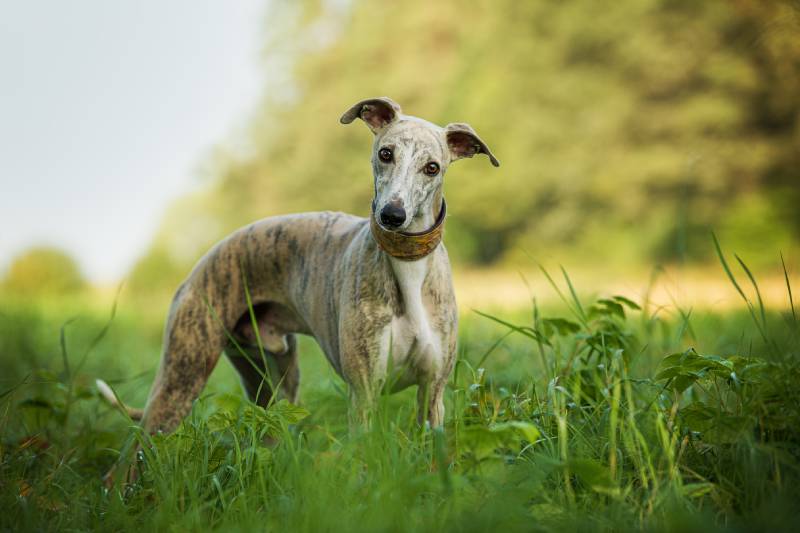
| Origin: | England |
| Height: | 18-23 inches |
| Weight: | 20–40 pounds |
| Lifespan: | 12–15 years |
Though Whippets didn’t originate in traditionally hot weather climates like many of the other breeds on our list, their physical characteristics still deem them hot weather-friendly. These muscular, short-haired dogs have large noses that allow cool air to circulate, preventing them from overheating as easily as other breeds. They have a very low body fat percentage, which may make warm, functional clothing necessary in climates that experience naturally fluctuating temperatures.
9. Doberman
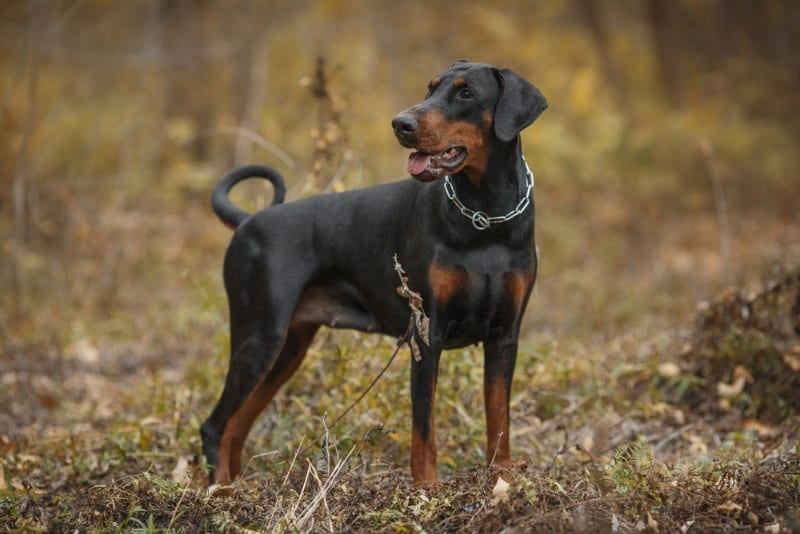
| Origin: | Germany |
| Height: | 24–28 inches |
| Weight: | 60–100 pounds |
| Lifespan: | 10–13 years |
The Doberman is a pinscher-type dog originally developed to work as a guard dog. Their short coats, big muscles, and athletic bodies make exercising in the sun no big deal. Even though their coats are darker, they tend to be comfortable in the heat. Their long muzzles and big ears also make Dobermans ideal companions for warmer climates.
10. Vizsla
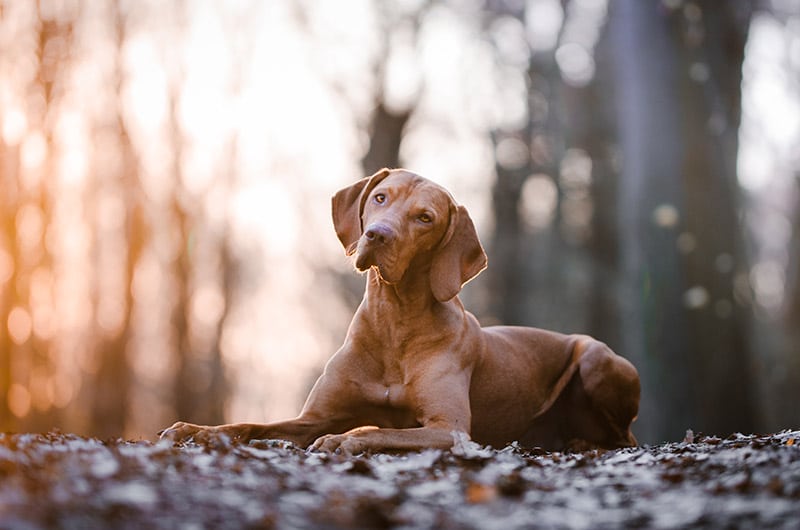
| Origin: | Hungary |
| Height: | 21–24 inches |
| Weight: | 35–65 pounds |
| Lifespan: | 10–14 years |
The Vizsla is a versatile hunting dog traditionally used to point, hunt, and retrieve. Thanks to their near unmatchable stamina, these dogs are used to spending long days in the field in all sorts of warm weather. They have short coats and lean builds that lend nicely to warmer climates.
11. Chinese Crested
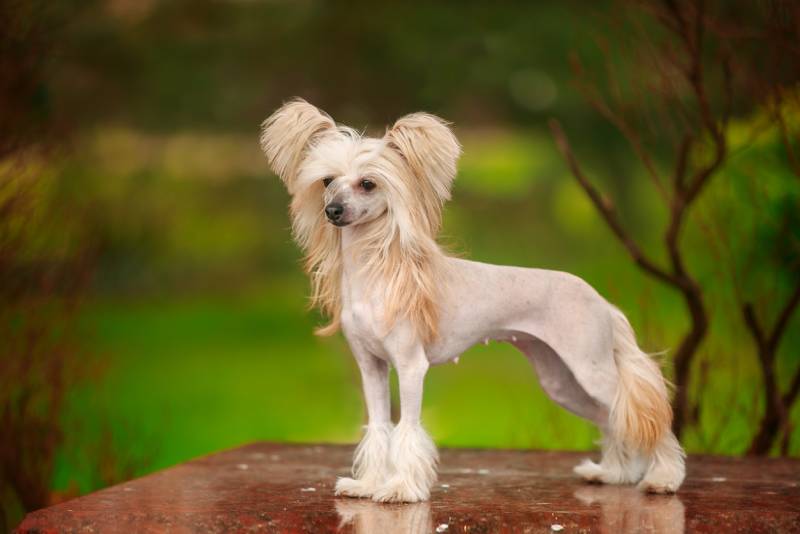
| Origin: | Unknown |
| Height: | 11–13 inches |
| Weight: | 10–13 pounds |
| Lifespan: | 13–15 years |
The Chinese Crested dog is thought to have originated in Africa or Mexico, though their exact origin is not known. These dogs come in two varieties – with or without hair. They are accustomed to hotter temperatures, but because their skin may be exposed, it’s important to use your sun smarts when spending time outside to avoid sunburn. These dogs are very heat tolerant and will happily lie in the sun for hours, lounging like lizards.
12. Azawakh
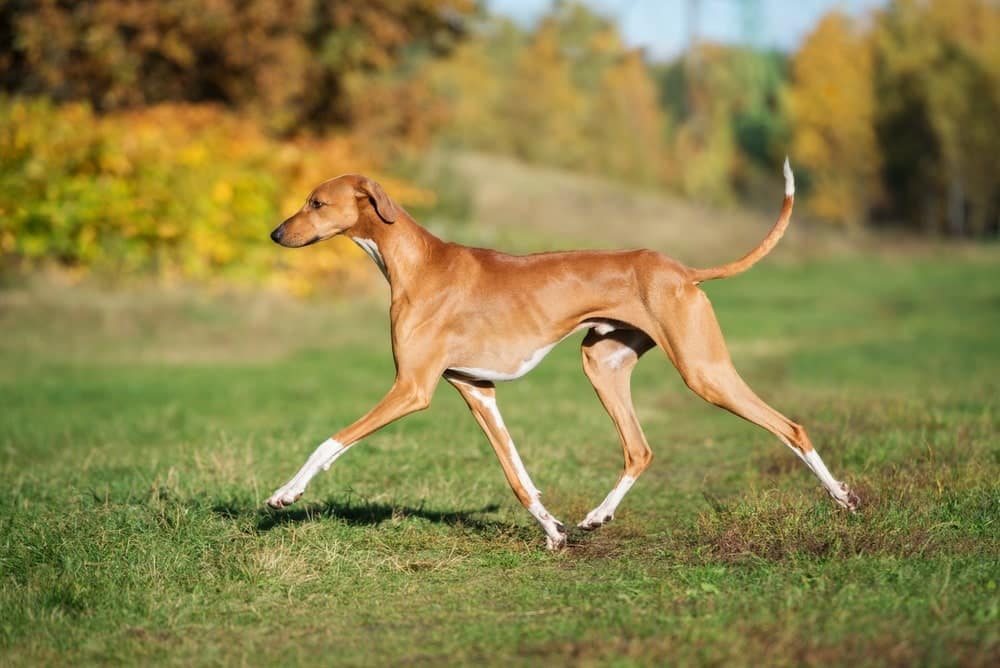
| Origin: | West African Sahara Desert |
| Height: | 25–29 inches |
| Weight: | 33–55 pounds |
| Lifespan: | 10–16 years |
The Azawakh is an ancient hunting hound with a lean and athletic build. With a homeland like the Sahara Desert, these dogs have spent thousands of years in the heat, making them incredibly hot weather tolerant. Their lower body fat and very short coats help keep them cool in warmer temperatures.
13. Airedale Terrier
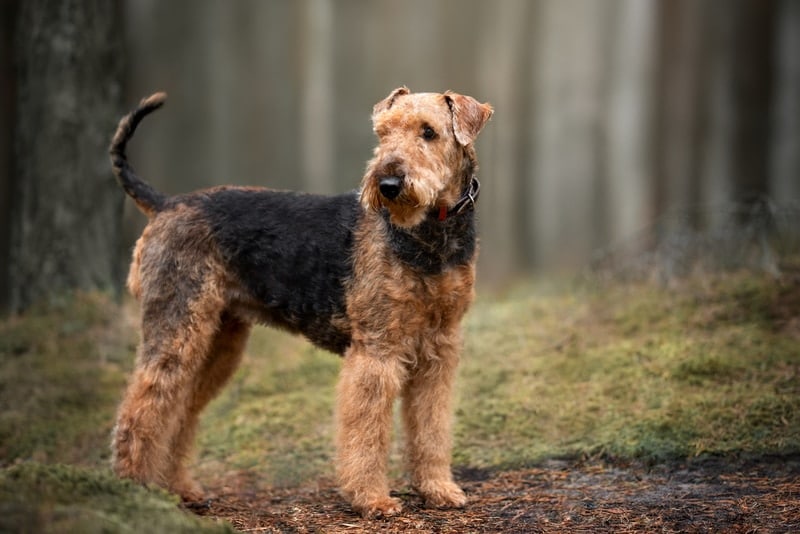
| Origin: | England |
| Height: | 20–23 inches |
| Weight: | 45–70 pounds |
| Lifespan: | 10–12 years |
The Airedale Terrier originates in the valley of the River Aire in England. It’s the largest of all terriers and was originally bred to act as a versatile hunting and farm dog. Don’t let this breed’s thick coat fool you, as the texture lends itself very well to warmer weather. The curliness and coarseness of their coat won’t trap heat close to the skin, instead allowing it to escape when the hot weather strikes.
14. Dalmatian
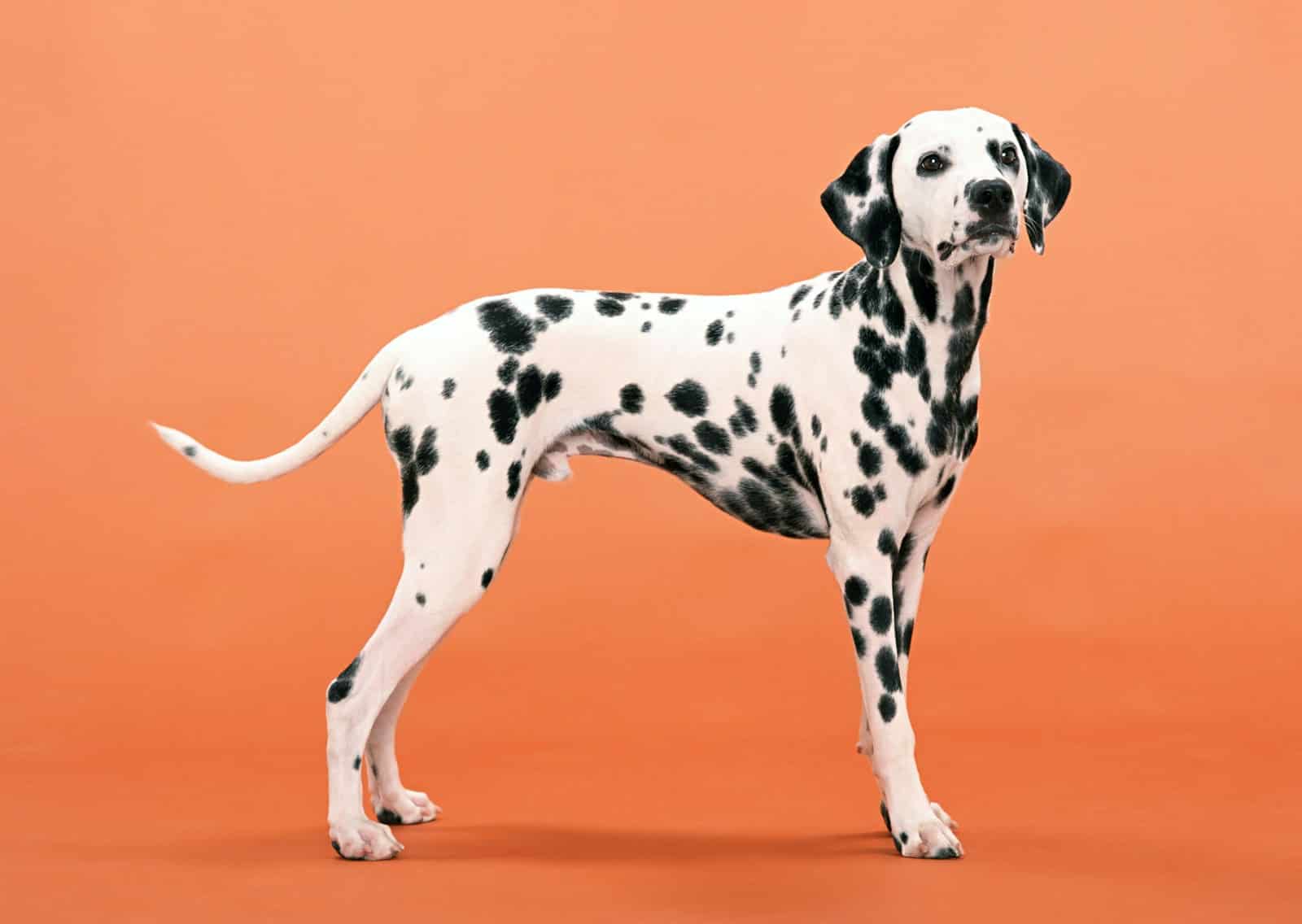
| Origin: | Croatia |
| Height: | 18-24 inches |
| Weight: | 45-65 pounds |
| Lifespan: | 11-13 years |
Dalmatians are known for their spots and also for their stamina. They are strong and loyal and love to accompany their humans no matter the weather. Originating from the Mediterranean, their history and haircoat mean that they are well suited for a life in warm climates, especially if they’re allowed adequate activity.
15. Border Collie
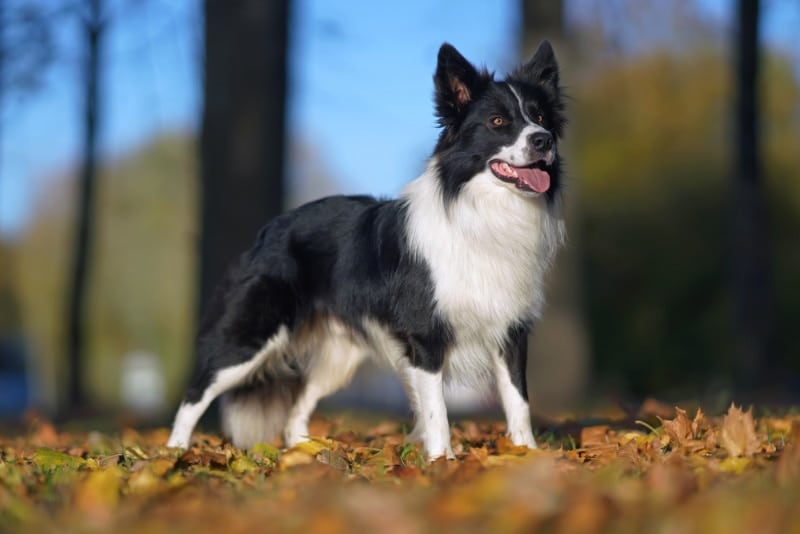
| Origin: | Scotland |
| Height: | 18–22 inches |
| Weight: | 30–55 pounds |
| Lifespan: | 12–15 years |
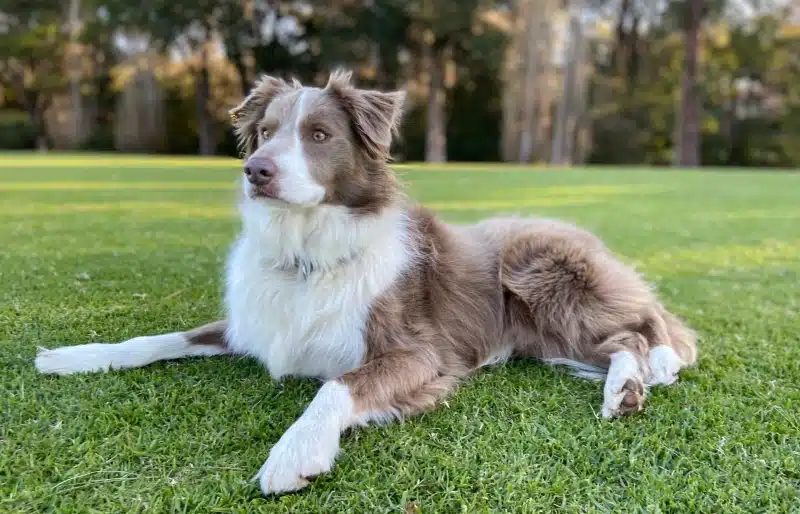
The Border Collie is a herding breed descending from traditional sheepdogs that once roamed the British Isles. They are highly active dogs and also highly intelligent. They are very energetic, athletic, and acrobatic, requiring much space and plenty of nice weather to enjoy. Their double coat has a layer of soft inner hair close to their skin that acts as insulation, keeping them warm in cool weather and cool in warm weather. Border Collies may not be as hot weather friendly as some of the other breeds we’ve looked at today, but their love of the outdoors makes them ideal temperate weather companions.
How Hot Is Too Hot?
Just because a dog breed is considered “hot weather tolerant” doesn’t mean they should be allowed to spend unlimited time outside. All dogs, regardless of their heat tolerance, can develop heat exhaustion or heat stroke during periods of intensely hot weather.
When considering what temperature is too hot, it’s important to remember that a dog’s body temperature is naturally higher than that of a human (101.0 to 102.5°F versus a human’s 98.6°F). Ambient air temperature will then feel hotter to your dog than it does to you.
We can’t provide an exact temperature when the weather becomes too hot for your dog, however, as it depends entirely on several factors, including their breed, size, activity level, age, humidity outside, whether you’ll be in the shade, and so on. It’s best to use your common sense when determining if the weather is too hot for your pup. Another good option is to call a vet to be sure.
Did you know you can speak to a veterinarian without having to travel? Just head over to PangoVet. It's our online service where you can talk to a vet online and get the advice you need for your pet — all at an affordable price!

What Breed Should I Avoid?
While many dogs can learn to adapt to weather conditions, dogs originating in cold climates may have a very difficult time adjusting to hot weather environments. Additionally, flat-faced (brachycephalic) breeds and dogs that are old or obese may be at higher risk of developing heat stroke.
- Chow Chows: thick coats can cause them to overheat easily
- Pomeranians: thick coats can cause them to overheat easily
- Bernese Mountain Dogs: thick coats can cause them to overheat easily
- Siberian Huskies: thick coats can cause them to overheat easily
- Alaskan Malamutes: thick coats can cause them to overheat easily
- Saint Bernards: thick coats can cause them to overheat easily
- Pugs: brachycephalic breed
- Bulldogs: brachycephalic breed
- Boston Terriers: brachycephalic breed
- Boxers: brachycephalic breed
Of course, responsible dog owners can certainly adopt the dogs mentioned above, even if they live in a hotter climate. They’ll just need to be much more careful about how much time they’re spending outside when temperatures start soaring.
Final Thoughts
Some dog breeds are better at handling hot weather conditions than others. The 15 breeds above are great options if you live in a hot climate as they either sport physical characteristics that make them ideal for warmer temperatures or originated from places in the world that traditionally receive hot weather.
Featured Image Credit: Susan McQuade, Shutterstock