Get

In Your Inbox

Dogster is reader-supported. When you buy via links on our site, we may earn an affiliate commission at no cost to you. Learn more.

What Is Blood Meal in Dog Food? Health Facts & FAQ

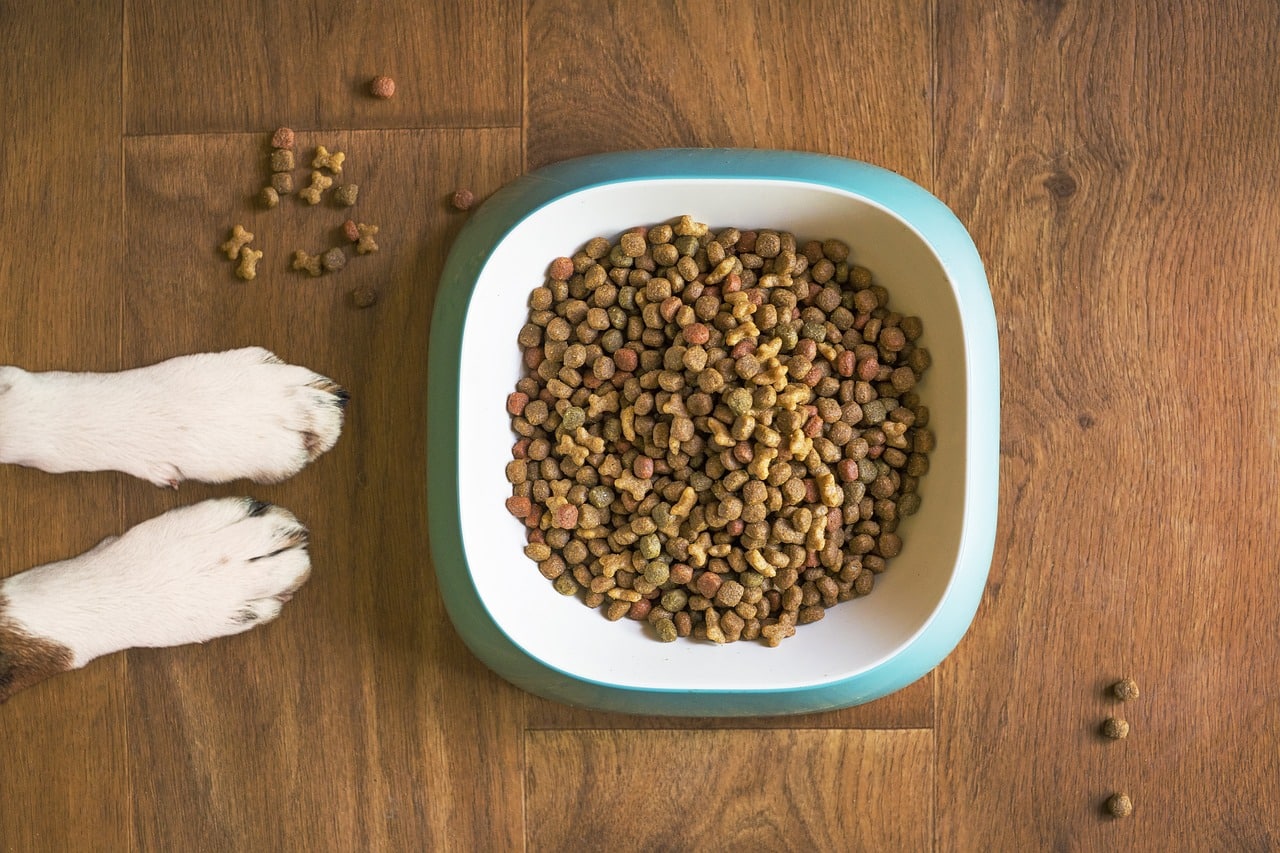
dry dog food in a bowl on wooden table

You’re looking at the ingredients of your dog’s favorite dry food and come across this word: blood meal. What is it exactly? Will your beloved pooch benefit from it, or is it a potentially dangerous ingredient?

The term “blood meal” found in the ingredient lists of certain brands of dry dog food refers to blood products as a by-product of slaughter1. In blood meal, it is dried and treated to be a high protein food additive. While the Pet Poison Helpline classifies blood meal as toxic to pets, the Food and Agriculture Organization of the United Nations (FAO) advises that this product is suitable for use in pet food, livestock, and poultry feed.

So now you’re probably confused! Don’t worry; we dug deep into the facts to bring you more information about blood meal, so you can make a more informed decision about feeding your dog any foods containing this ingredient. Let’s dive in!

divider dog paws 3 oct 2024

What the Pet Poison Helpline Says About Blood Meal

Pet Poison Helpline classifies blood meal and bone meal as toxic to pets, but that’s primarily when these types of organic “products” are used as fertilizers. Indeed, the blood meal typically used by gardeners is an excellent organic fertilizer because it contains 12% nitrogen. Also, since it is dried, ground, and flash-frozen blood, this product is also palatable for dogs and cats.

Unfortunately, if your dog ingests a large amount of it, they could suffer from gastrointestinal problems, including:

  • Vomiting
  • Diarrhea
  • Pancreatitis
  • Iron toxicity

The bottom line is that if you use blood meal as a fertilizer in your garden and you suspect that your pet has ingested it, contact your veterinarian immediately.

What the FAO Says About Blood Meal

The FAO of the United Nations states that animal products such as blood meal, meat and bone meal, poultry meal, and feather meal are good sources of protein and amino acids, and some are also packed with essential vitamins and minerals. In addition, these rendered products are generally easy for animals to digest.

These factors make them important ingredients in pet food in the United States and many other countries around the world. These products can therefore be added to the diets of a wide range of animal species, including dogs and cats.

That said, although modern rendering processes can kill many pathogens, contamination can occur afterward. Still, considerable advances in feed mill technology for the heat treatment and pasteurization of foods greatly reduce the risk of contamination. Blood meal and other animal by-products used in pet food must meet strict federal regulations in order for harmful bacteria to be eliminated and the digestibility of the product increased.

It is also important to note that only traces of blood meal are usually added to dog food. Popular pet food brands typically list organ, tissue, and bone meal as the most common animal by-products in dry dog ​​food. In wet foods, most of the by-products come from animal organs, including livers, kidneys, and spleens.

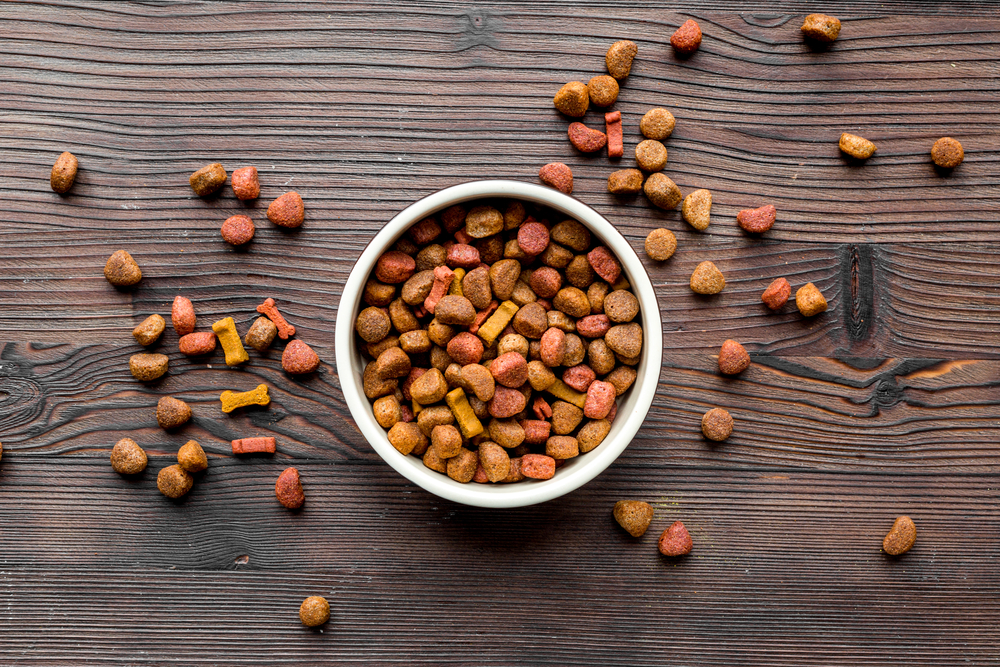
dry dog food in bowl and on wooden table
Image Credit: 279photo Studio, Shutterstock

Which Dog Food Brands Have Blood Meal on Their Ingredient List?

Blood meal used as an ingredient in dog food is not likely to cause digestive problems for your pet and may even be an excellent source of protein and nutrients. Using this product as an organic fertilizer, however, could lead to gastrointestinal issues if your pet ingests a significant amount.

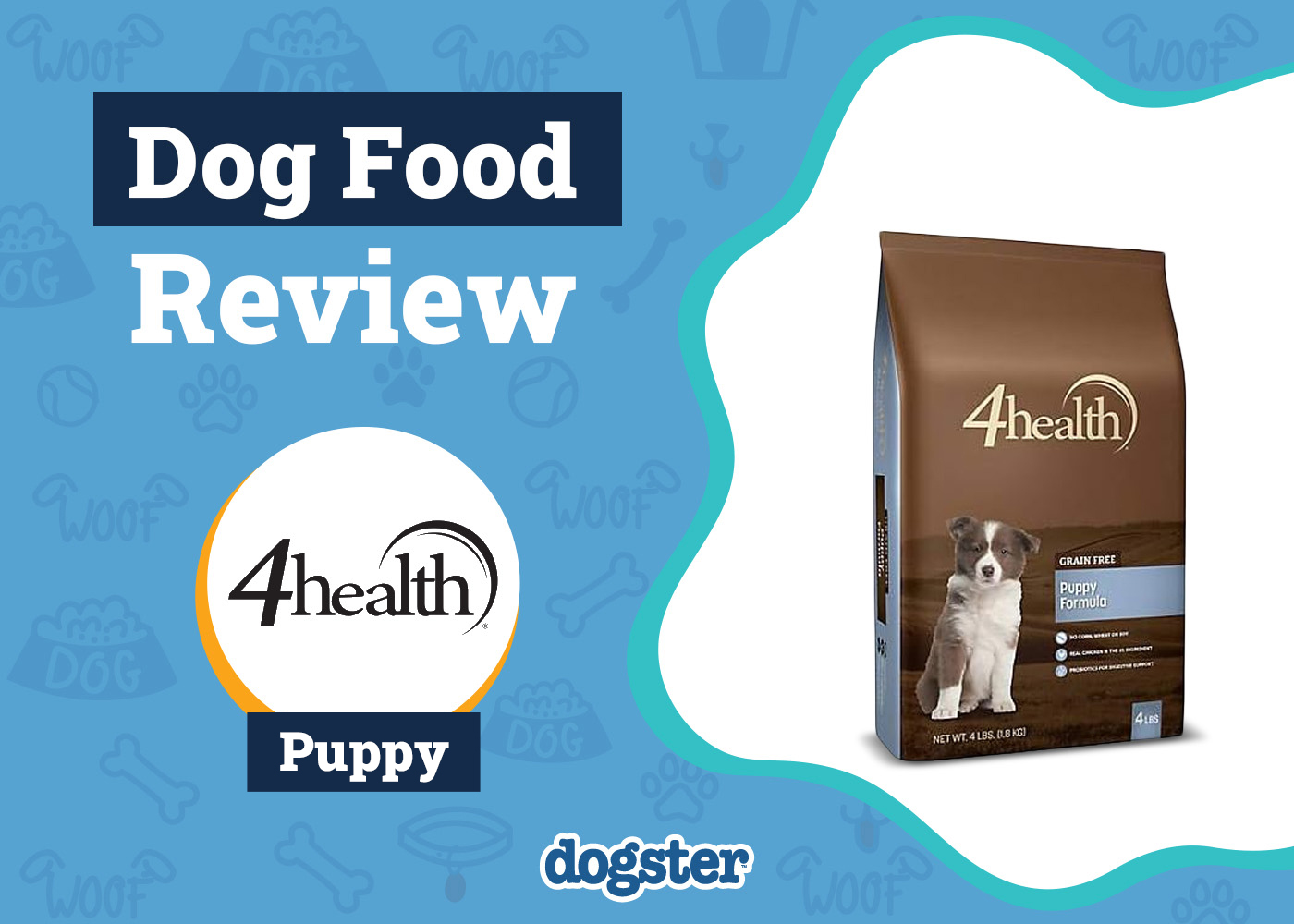
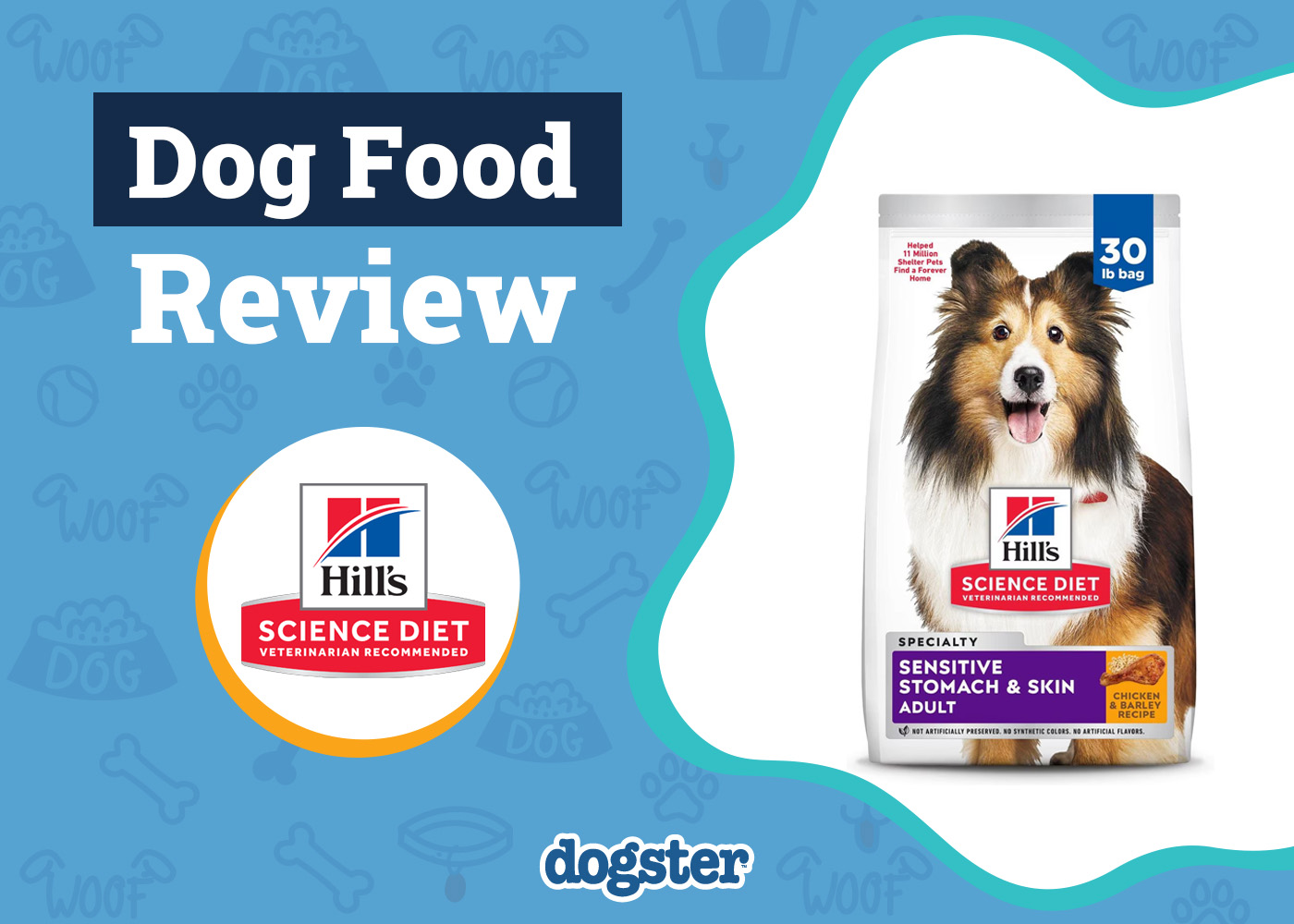
Although it’s not strictly necessary, if you want to avoid blood meal in your pup’s diet at all costs, here is a list of dog food brand recipes to avoid:

man buying pet food in the store
Image Credit: LADO, Shutterstock

divider dog paws 3 oct 2024

Final Thoughts

You want to give your furry best friend the best nutrition that they deserve, and navigating the sea of information out there isn’t always easy. Blood meal is an ingredient that may raise a few eyebrows, but rest assured that you’ll only find traces of it in pet food brands that include it in their products. In addition, they must follow strict federal regulations to ensure that their products meet the highest industry standards. However, if in doubt, you can always choose dog foods that do not contain blood meal and ask your veterinarian for advice.


Featured Image Credit: 279photo Studio, Shutterstock

Want content like this delivered to you?

Sign Up For Our Newsletter

News, insights, expert advice, and everything dog

* By submitting, you agree to our Terms & Conditions and Privacy & Cookies Policy.

How useful was this post?

Click on a star to rate (you can leave written feedback after clicking submit)

Help us improve Dogster for pet parents!

Your feedback really matters.

What did you like about this post? Also how can we improve it?

Join the conversation

Leave a Reply

You’re very welcome to leave a comment or question. Please know that all comments must meet our community guidelines, and your email address will NOT be published. Let’s have a positive and constructive conversation.

Talk With A Vet Online

Peace of mind,
anywhere, anytime

Affordable vet advice

Beagle Vizsla Mix: Info, Pictures, Temperament & Care

Capable, friendly, and loyal—these words describe purebred Beagles and Vizslas best. These dogs are praised for their wits, low grooming needs, and curious,...

Can Dogs Eat Apricots? Vet-Verified Nutrition Facts & Precautions

Dogs are facultative carnivores, meaning that like omnivores, they can eat some plant matter as well as meat. Many like eating sweet foods...

10 Best Dog GPS Trackers & Collars in 2026 – Reviews & Top Picks

Some dogs are master escapologists, capable of slipping a leash and getting out of the dog park in the blink of an eye....

How to Treat Spider Bites on Dogs: 11 Remedies (Vet Answer)

Did you know that there are over 3,000 species of spiders in the United States and over 48,000 in the world?1 Despite these...

More related

Why Do Dogs Eat Paper? 8 Vet-Reviewed Reasons

We’ve all caught our dogs chowing down on something they shouldn’t, and paper is a common target for chewing urges—something that no doubt...

Halo Dog Food Review 2026: Recalls, Pros & Cons

Review Summary Halo is a health-conscious dog food brand marketed toward those who love their pets and the planet. All of the recipes...

Can Dogs Eat Seaweed? Vet-Verified Facts & FAQ

Sharing some types of seaweed with your furry friend is okay in moderation. Seaweed is an excellent source of iodine, antioxidants, and vitamins,...

Can Dogs Be Allergic to Pollen? Our Vet Explains

Can dogs have pollen allergies? Yes, they absolutely can! Just like people, dogs can react to pollen from trees, grass, and weeds. We...

Keep reading

Can Dogs Eat Beans? Vet-Verified Nutrition Facts, Tips & Risks

Unlike their feline counterparts, dogs are omnivores and are adapted to derive nutrients from consuming both plant materials as well as animal tissue. So, you may wonder what plant material is safe for your pup. Are beans okay to offer?...

Can Dogs Eat_Beans

Can Dogs Eat Barley? Vet-Verified Nutrition Facts & Info

In recent years, higher-quality diets have been at the top of devoted dog owners’ minds, with ingredients like grains coming under sharp scrutiny. As consumers latch onto trends like gluten-free diets, many extend those values to their dog’s food, often...

Can Dogs Eat Barley

Can Dogs Have Balsamic Vinegar? Vet-Reviewed Facts You Should Know!

Balsamic vinegar is a delicious condiment that can be used in many types of cuisine in many ways. Whether it’s in dips and sauces or added to a marinade, it’s a tasty addition that adds a sweet “zing” to the...

Can Dogs Eat_balsamic vinegar

Can Dogs Eat Plantain? Vet-Approved Nutrition Facts & Info

Plantain is a fruit that looks very similar to a banana. The fruit is starchy and is not generally eaten raw, but it is regularly used in cooking in some countries around the world. High in dietary fiber and with...

ripe-plantains-on-rocks

Can Dogs Eat Grits? Vet-Verified Nutrition Facts & FAQ

Grits are a popular breakfast staple, especially in southeastern U.S. states. Grits are derived from white corn kernels and are a quick and easy way to grab a little bite to eat before heading out the door in the mornings....

Can Dogs Eat Grits

Purina Pro Plan vs. Kirkland Dog Food: Pros, Cons & What to Choose

Trying to choose the right dog food can be an overwhelming experience. Comparing ingredient lists, calories, nutrition tables, and flavors seems like a never-ending, confusing battle. You want to give your dog the best food possible, but it’s difficult to...

Dogster_Dog Food Purina Pro Plan VS Kirkland

Can Dogs Eat Jelly Beans? Vet-Verified Nutrition Facts & FAQ

If you have kids, I’m sure you’ve encountered your fair share of jelly beans. Maybe you’ve even eaten a handful or two (or more) in your lifetime. These colorful, small candies are practically a right of passage for childhood. But...

Can Dogs Eat Jelly Beans

How to Cook Beef Liver for Dogs: Vet-Approved Recipes & FAQ

Beef liver is a nutritionally dense organ meat ingredient that can be used as a fantastic addition to your dog’s diet. It is a great source of protein, is low in fat, and contains a plethora of vitamins and minerals...

sliced beef liver with knife on black stone cutting board