How to Train a Golden Retriever: Vet-Approved Tips & Tricks



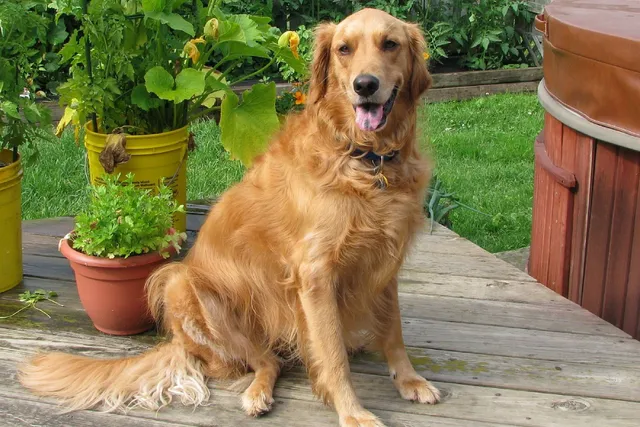
Golden Retrievers are among the most beloved dogs in the world. They’re affectionate, friendly, and intelligent, which makes them firm favorites for working or as companions. While the behavior of many adult Goldens is stellar, much of their good behavior is the result of dedicated training efforts by their owners, along with genetics, early socialization, and consistent daily routines.
Teaching your Golden Retriever to be an upstanding canine citizen takes time but is worth the effort. We hope that this step-by-step guide will help you get started.

Are Golden Retrievers Easy to Train?
First bred to be working dogs in Scotland, the Golden Retriever is naturally robust and incredibly intelligent. They’re eager to please and generally considered easy to train. However, this doesn’t mean that you can slack off on your training efforts. Their intelligence enables them to quickly pick up on what you want, but they also easily get bored and frustrated if training lacks variety, clear guidance, or appropriate reinforcement.
Keep training sessions consistent, positive, and fun — and intersperse treats with your puppy's favorite toys — to keep your Golden Retriever’s attention.

You Will Need
While you don’t need expensive supplies to train a puppy, a few essentials can make your training sessions easier and more rewarding. A training leash, a good collar, and a treat pouch are all useful items to have, for example. Here are other important pieces of equipment to consider getting before you start.
Things to Remember
Before you start training, there are several things to keep in mind to ensure that all your training sessions are as successful as possible.
1. Be Consistent
Golden Retrievers might be a pleasure to train, but they’ll still get confused if you give them conflicting commands. If you’re new to training a dog, make sure you know exactly what you want your dog to achieve before you start.
By understanding the behavior that you want to reinforce, you’ll be less likely to mistakenly praise the wrong thing during your training sessions. You’ll also be able to break the training into small steps for your dog before you work up to mastering the command.

2. Listen to Your Puppy
They might not be able to speak our language, but dogs can be talkative in their own way. The more time that you spend with your Golden Retriever, the more you’ll familiarize yourself with their personality, likes, and dislikes. Your puppy will also show signs when their training session is too long or if they’re just too tired from exploring.
For the best results, pay attention to your puppy to make sure your training sessions are short and fun.
3. Positive Rewards
Many dogs, including Goldens, are food-oriented. Keeping a handful of treats in your pocket or a handy treat pouch is a quick and easy way to deliver rewards when your puppy succeeds. Mark the good behavior with a clicker or a cheerful “yes!” or “good!” and offer a treat. As your dog gets better at the behavior, you can phase out the treats and use praise and their favorite toys sometimes.
Don't scold them for mistakes or for losing interest. Try again, or give your puppy a break for a while before attempting the command again later.

4. Start Early
When you first get a new puppy, you may want to put off training until they're bigger. However, the earlier that you start teaching your Golden Retriever how to behave, the easier it will be to encourage the behavior. It'll also help prevent the development of unwanted behaviors as your puppy learns habits over time.
How to Train a Golden Retriever: Step by Step
1. Obedience
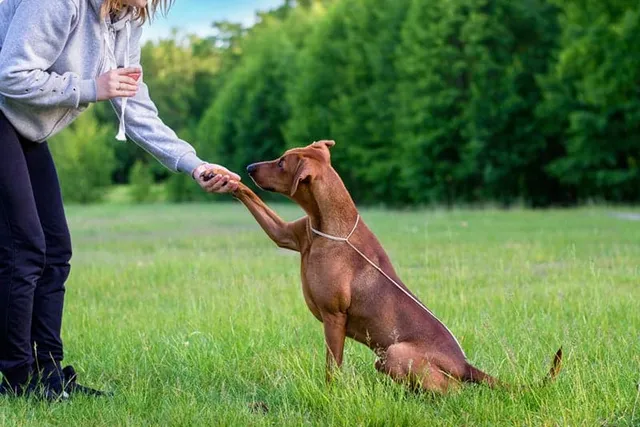
Proper obedience training is the first step for any well-behaved dog, including Golden Retrievers. Basic obedience commands, like “sit,” “stay,” “come here,” “leave it,” and recognizing their name, are all helpful foundations for future training efforts. Not only can they make your life much easier when you need to direct your dog, but they also teach your puppy how they’re expected to behave, even in new situations.
Take your time, and introduce each command in separate training sessions so you don’t confuse your puppy.

2. House Training
One of the most difficult tasks that you face as a new puppy owner is house training. Some dogs catch on quicker than others, while others might take a bit longer. Golden Retrievers are naturally eager to please, but they’ll still need guidance regarding when and where it’s appropriate to relieve themselves.
Teach your dog to use puppy pads if you don’t have a yard, or take them outside regularly so they can go to the toilet. Keep a close eye on your puppy while you’re house training so you can quickly interrupt and calmly redirect any unwanted toilet trips and redirect them to the proper place. Avoid punishment, as it can increase anxiety and delay house-training progress.
A good rule of thumb is to take your puppy outside first thing in the morning, after meals, after play sessions, and before bedtime. In addition, plan regular potty breaks throughout the day about every 1 to 2 hours, depending on your puppy’s age and bladder control.

3. Crate Training
An optional addition to your puppy’s training is crate training. While it’s controversial in certain circles, it can be incredibly useful. A crate gives your puppy somewhere quiet to sit if they feel overwhelmed or a place for you to keep them safe if you have guests.
You mustn’t use the crate as a punishment, though. Crates work best when your dog sees them as a safe space rather than a cell that they're locked in when they're in trouble. The crate should be appropriately sized so your puppy can stand, turn around, and lie down comfortably, and puppies should not be left crated for long periods due to their limited bladder control and need for social interaction.
4. Leash Training
Taking walks with your four-legged friend is perhaps the best thing about being a dog owner. But Golden Retrievers can be excitable, energetic, and easily distracted, which is why leash training is so essential. You need to teach them to walk by your side and not lunge at cars, other animals, or people they pass to ensure their — and everyone else's — safety.
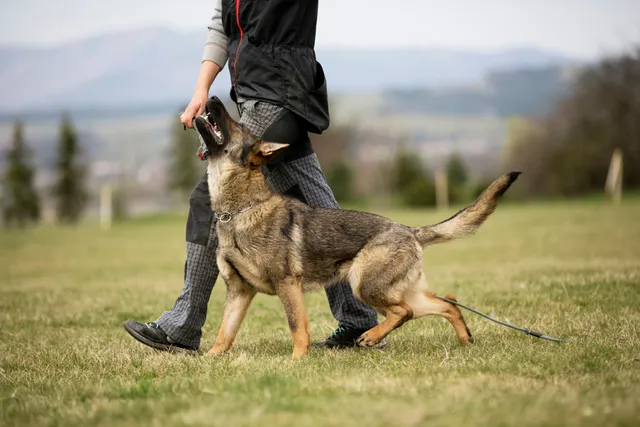
Start by introducing a properly fitted harness or collar, and let your dog’s leash trail behind them under supervision as they wander the house. Once they’re used to the feel of it, you can practice holding the leash and directing your puppy to walk at your side. Slowly progress to a closed yard if possible, and then tackle the street.

5. Socialization and Desensitization
Something that many people don’t consider when training their dog is socialization. This is when you introduce your puppy to as many situations, animals, and people as possible in a controlled and positive way. By doing this, you’re teaching your puppy how to react to different situations.
The most well-behaved adult Golden Retrievers often benefit from early positive exposure to a wide range of things when they were puppies. Well-socialized dogs are also less likely to be fearful or anxious as they grow.
Desensitization is important, too. Introducing your dog to loud noises like fireworks or grooming tools gradually and at a low intensity will teach them to remain calm and comfortable around such things. They’ll be more likely to accept the need for a good grooming session or stay relaxed during a storm when they understand that they’re safe.
Conclusion
Golden Retrievers are among the easiest breeds to train due to their versatility, intelligence, and eagerness to please. A well-trained Golden still requires a great deal of time and effort, though. Keep training sessions short and positive, and reward your puppy with plenty of treats and fun games.
See also:
Featured Image Credit: Rala3030, Shutterstock
Expert dog care, straight to your inbox
News, insights, expert advice, and everything dog.

No spam — unsubscribe anytime.
By signing up, you agree to our Terms & Conditions and Privacy & Cookies Policy.
How useful was this post?
Click a star to rate. You can leave written feedback afterwards. (We read all feedback.)
Nicole has loved animals of all sizes her whole life so it's no wonder she has dedicated her career to helping them through what she loves best: learning, writing, and sharing knowledge with others. She’s the proud mom of two dogs, a cat, and a human. With a degree in Education and 15+ years of writing experience, Nicole wants to help pet parents and pets around the planet to live happy, safe, and healthy lives.