How to Train a Poodle: 6 Vet-Approved Tips

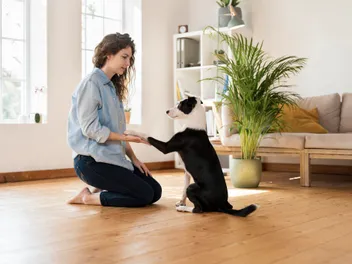
Every dog owner knows that training is a key part of helping your pet become a responsible canine citizen. Training can provide plenty of opportunities for dogs to bond with their owners and establish trusted relationships. A strong bond with your dog will help them know their place in your life and in the world at large.
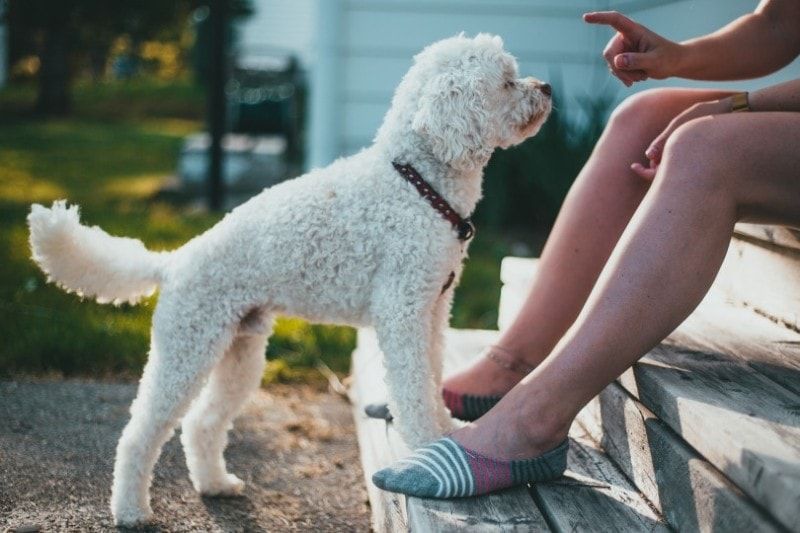
The intelligent Poodle loves to engage in training activities because of the mental stimulation it provides and because they love to earn their owner’s praise. As training can seem daunting, we have gathered 6 tips below that should be helpful when training your Poodle.

Before You Start
A key aspect of training your Poodle is determining what you’ll be giving your dog to treat them for good behavior. Many pet owners prefer to use small training bites, such as Cloud Star Crunchy Tricky Trainers Cheddar Flavor Dog Treats, as the smaller treats don't cause their dog's stomach to fill up too quickly during training activities.
Feeding a smaller treat also guarantees your pup gets reinforced without losing their focus on the trainer. With only 2 calories per treat, with the daily recommended calories being no more than 10% of the daily caloric allowance, these will permit more training and reinforcing opportunities for your pup.
Other owners prefer to use their dog's food as their training treat and then skip a meal to keep their pet's weight optimal. If you don't want to use food or treats as a reward, you can also designate a toy as a reward that your dog only gets during training.
Different dogs have different motivations at different times, but most love food. That is why it is considered a primary reinforcer. However, secondary reinforcers, such as toys, praise, and patting, work wonders as well. It is essential to know and understand your dog’s preferred reward for the most success. Advanced trainers can focus on one or several of them all during a training session.
The 6 Tips for Training Your Poodle
1. Sign Up for Training Courses
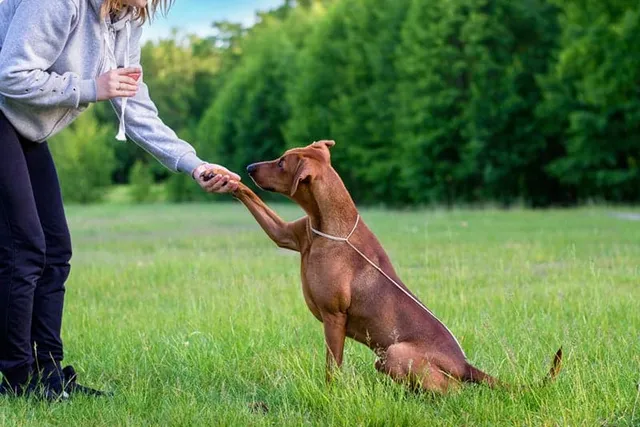
Many dogs benefit greatly from joining a beginner, intermediate, or advanced training class at a training facility in your area. Classes usually cover everything from the basic “sit” command to leash training and can even address reactivity issues, such as jumping up and lunging at other dogs.
While much can be accomplished by training your dog at home, a professional class teaches your dog, within a controlled environment, that they still need to use their training while interacting with other dogs. Dog training class sizes can range between as few as four or six dogs, with some classes having upper ranges of eight to 12 dogs.
Professional classes can also help owners struggling with training learn how to interact with their dogs in a way that reduces the frustration that can arise from the owner and dog during unsuccessful training. If you’re struggling with a specific issue, speak with the instructor before class so they know you need extra help.

2. Schedule Daily Training Sessions
A consistent daily training schedule will help your poodle excel quickly at training activities. Many dogs need a time limit of 10 to 15 minutes in their training sessions to prevent boredom and misbehavior. These training sessions should be fun to keep your dog interested, and you should exhibit excitement to keep your dog engaged.
Positive reinforcement with treats, praise, and special toys will greatly benefit your poodle during training sessions while encouraging a deep, trusting bond between you both.
3. Always End a Training Session on a Positive Note
Ending a training session on a positive note helps ensure a “training is fun!” mentality for your pet poodle. If your Poodle archives an approximation or step toward the final goal, reinforce them and end the session right there. By ending the session while your Poodle is excited and “winning,” you guarantee they will look forward to more sessions.
If your Poodle is exhibiting frustration and boredom during your training session, it’s better to end it early than to continue the session. Ending a session early may seem like defeat, but if you try again when your dog is more engaged, you’ll have better training outcomes in the long run.

4. Crate Training
While some owners are hesitant to crate-train their Poodles, it’s a very important tool. Crate training helps establish a safe place to retreat when they are tired, feel threatened, or just want some alone time.
It’s vital to purchase a crate in which your poodle can freely turn around and lay comfortably inside. To entice your pup to enter the crate, add comfy bedding, a favorite toy, a treat, or perhaps their food. Leave the door open while you're home to allow them to enter and exit freely.
When your Poodle is comfortable entering and laying in the crate, lock the door and leave the room for a minute. When you return, open the door and give your dog a treat or toy, as well as praise for a job well done. Gradually start leaving your Poodle in the crate for longer periods, and always praise and reward the good crate behavior.
Eventually, your Poodle will become comfortable in the crate, and you'll have a crate-trained dog. Don’t open the crate to let them out if they are digging at it, barking, or otherwise actively trying to get out. Wait for a quiet moment, say “yes” and then let your pup out.
5. House Training a Puppy or Adult Poodle
Whether you’re bringing home a puppy or a new adult Poodle, setting up a bathroom schedule will help with potty training. Puppies can typically hold their bladder for 1 hour each month of their age. For example, a 3-month-old puppy should be able to hold their bladder for about 3 hours.
Some puppies may benefit from pee pads near their training crate until they’re older and have more control over their bladder. It’s important to set up a schedule based on your puppy’s needs, as some may need to go out more frequently than others. Poodles usually pick up house training easily, but they still need you to show them the way. Whether you have a puppy or an adult dog, setting up a designated bathroom area for your dog will help them remember where to potty when you let them out.
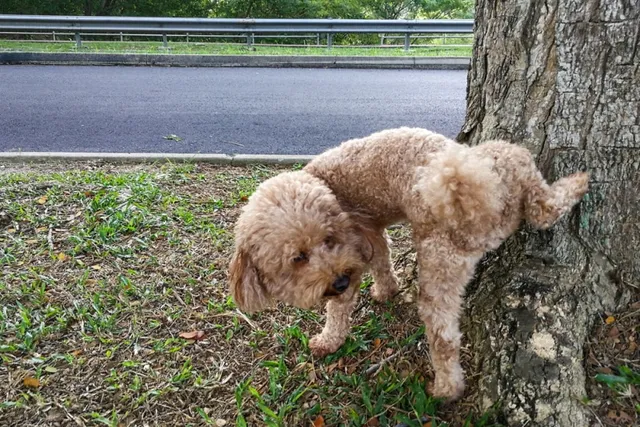
If you have a yard, take your dog to an area away from distractions, such as kids or neighbors, and encourage them to go potty. If you don't have a yard, find a grassy area while on a walk and encourage your dog to go to the bathroom on that spot. Wait for your dog to go, and reward them with a treat or praise for good bathroom behavior.

6. Leash Training
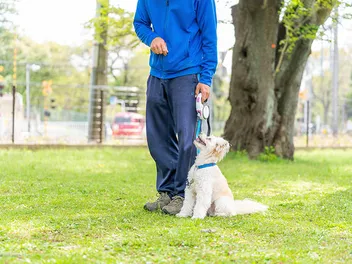
Proper leash training and etiquette can be challenging for dogs and owners to master, but Poodles can excel at walking on a leash if trained properly.
Proper equipment is vital for leash training. Some dogs do well with a flat collar, while some prefer the PetSafe Gentle Leader Padded No Pull Dog Headcollar. Other dogs do well with a harness, such as the Halti Nylon No Pull Dog Harness. A non-extendable leash roughly 4 to 6 feet long is perfect for leash training. As dogs get very excited at the idea of a walk, you may need to experiment with the various types of equipment as you figure out what works best for your Poodle.
If your puppy or dog is new to leash training, attaching the leash and letting them walk around the home will help them get used to it. The next step is to take a short walk inside or outside with your Poodle and give them lots of praise during the walk. If your pup begins to pull, stop walking immediately. Start to move forward again as soon as the tension on the leash loosens.
Leash walking may seem like basic training, but it can prove elusive for some dog owners. Walking and heeling are covered in professional training classes, so if you’re having trouble with leash-training your pet, you may want to consider signing them up for a training course.
Summing Up
All dogs need to learn their basic commands—like “sit,” “stay,” “down,” “heel,” etc.—as well as potty, crate, and leash training. Pet owners usually find dog training overwhelming at first, and it may be just as overwhelming for your Poodle. If professional training classes are within your budget, they will ease much of the anxiety that dogs and their owners may experience during this necessary process.
You might also be interested in: Why Do Poodles Lick So Much? 7 Vet Reviewed Behavioral & Medical Reasons
Featured Image Credit: Erik Mclean, Pexels
Expert dog care, straight to your inbox
Vet-reviewed advice, training tips, and the best of Dogster. Free, and you can unsubscribe anytime.
By signing up, you agree to our Terms & Conditions and Privacy & Cookies Policy.
Shana Loven lives in the Pacific Northwest with her longtime partner and their dog, Bella. She grew up in a large, crazy family with a plethora of pets, ranging from mischievous hamsters to a mob boss of a cat, and several loyal dogs. When she's not using this wealth of experience writing about pets to help out other pet owners, Shana enjoys reading her extensive book collection, crafting miniature scenes, crocheting, and using her former librarian wizardy to conduct research about any topic that interests her.
Join the conversation
Ask a question, share your story, or send private feedback.