How to Train a St Bernard: 10 Vet-Approved Tips


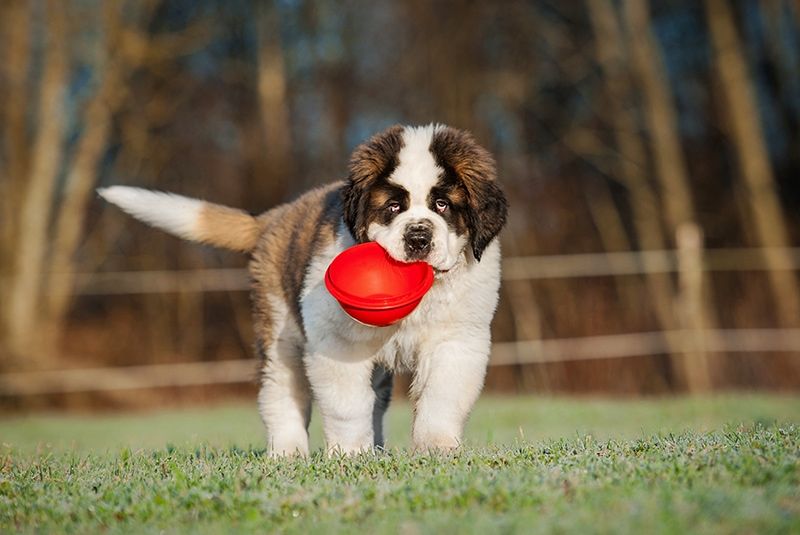
Saint Bernards adore humans and are eager to please, but this doesn’t mean they’ll always know exactly what you want them to do the first time that you ask them to do it. Fun training sessions and quick corrections will help you speed up the training process, but it’ll still take time. You might find yourself with a more stubborn dog than you expect.
There are also the inevitable mistakes to keep in mind. Sometimes, it will be the same ones repeatedly. But mishaps will make the successes that much sweeter.
To help you get started, here’s a step-by-step guide on how to train your new Saint Bernard puppy. These tips will work for adult dogs too.

Before You Start
Training takes a great deal of effort, and it can be difficult to figure out where to begin.
Here are a few important tips to keep in mind before you start training your Saint Bernard:
The 10 Tips on How to Train a Saint Bernard
1. Make a Training Plan
Saint Bernards love being around people, so they enjoy big families. When it comes to training, though, it can be a challenge to keep everyone on the same page. If two members of the family are trying to train the dog to do a specific trick or behavior, you are likely to end up confusing them.
The rules of accepted and not accepted behaviors for the dog need to be consistent among all family members. This is where a training plan can be a lifesaver. Before you bring home your Saint Bernard, decide on a training regime, and make sure everyone in the family is aware of the rules. Don’t forget to let your children get involved, too, if they’re old enough. You should supervise them, but letting them know the do's and don’ts allowed for the new puppy will help them learn to respect each other.

2. Start on Day One
Many new dog owners put off training their new puppy because they feel that they’re not old enough or that they need time to settle into the house. But whether you adopt an adult Saint Bernard or an 8- or 12-week-old puppy, you need to start training them on day one.
This doesn’t mean jumping straight into the difficult stuff. You shouldn’t expect your Saint Bernard to understand where to go to the bathroom immediately. However, taking steps to introduce where they should go to the toilet and even how they should behave at mealtimes will help ease their transition to your home.
It’ll also prevent them from learning bad habits as they work things out on their own, saving you from having to correct them later.
3. Do Leash Training
There are two reasons that leash training is essential. The first is that it can go a long way in helping you keep or regain control of your Saint Bernard while you’re training them. Once you move on to introducing distractions, a leash will function as a safety net to keep your wayward puppy out of trouble as they learn how to behave.
The second reason is to ensure good behavior on walks. Saint Bernards are big dogs and strong. Good leash habits will ensure that they’re not at risk of putting themselves or you in danger, especially if you live by a busy road.

4. Do House Training
Perhaps the messiest part of puppy ownership is house training. Saint Bernard puppies are not exempt from the frequent need to go outside, and your technique for house training is essential. It’s also not a process that can be rushed, and you should be prepared for lots of potty breaks outside and some accidents in the house, even when you think that your puppy is finally getting it right.
Take your Saint Bernard outside or to their potty spot first thing in the morning, last thing at night, about 15 minutes after meals or drinks, and every 3 to 4 hours throughout the day. Try to establish a routine, but never scold your puppy for making a mistake. Instead, focus on when they get it right.
5. Teach Obedience
Like socialization, obedience isn’t something that you can skip with your Saint Bernard. You might not be interested in winning obedience competitions, but basic commands will benefit your daily lives. It’s also a key part of the rest of their training. Leash training, socialization, and house training can all benefit from your dog’s understanding of obedience.
To start, focus on basic commands like “sit,” “stay,” and their recall. After that, you can progress to more advanced commands, like “off,” “leave it,” and leash training, or “heel.”

6. Don’t Skip Socialization
The Saint Bernard might be one of the friendliest breeds on Earth, but their size can make them intimidating, especially when they get over-excited. Socialization is a must for all dogs, but it’s particularly important when it comes to large breeds.
Once they’ve had at least the first round of their vaccination schedule, puppy classes can be an excellent resource. You will meet other dog owners and their puppies, and you’ll also learn a few training tips in the process.
Don’t forget to take your Saint Bernard to dog-friendly places to introduce them to strangers and other dogs. Reward their good behavior, and remember to reinforce their obedience commands too. The more socialization you do, the more likely your puppy will grow into a self-assured adult.
7. Keep Sessions Fun
Whenever you’re learning something new, it’s always better when you’re enjoying yourself. Dogs can benefit from fun training sessions too, even if they’re as eager to please as the Saint Bernard. The more fun your dog has, the more they’ll associate the behavior that you’re asking for with good things, and the more likely they will be successful next time.
You might use treat rewards or end the session with their favorite game of fetch or tug. Whatever you do, always make sure you and your dog both enjoy the training. If either of you gets frustrated at any point, it’s time to take a step back.

8. Correct Unwanted Behavior
To prevent your Saint Bernard from developing bad habits, correcting unwanted behavior as soon as they do it is essential. This is why supervision is crucial during training, whether you’re training a puppy or an adult dog.
You need to be close by to monitor your dog and be ready to redirect their attention to the correct behavior. This way, you can praise them for being successful rather than scold them when they get it wrong. When it comes to house training in particular, catching your dog before they pee on your carpet and taking them to their potty spot or outside is more effective than yelling when they make a mess.
9. Go Back to Basics
Every so often, you’ll need to step back in your training. Maybe your puppy just isn’t having a good day or what they’re learning hasn’t quite clicked yet. This can be devastating and confusing if they’ve had a string of successes over the past few days, but it’s still an important part of training your Saint Bernard.
Don’t let their mistakes disappoint you or make you angry. Stay positive and just take a step back. Return to what you know your dog understands, even if it’s something super simple, like lying down when you ask. Praise the effort that they make to follow your instructions, even if they don’t quite get it.
Slow and steady is vital when it comes to training. With positive reinforcement and reassurance, your Saint Bernard will be well-trained in no time at all.

10. End With Success
Besides keeping the sessions short and fun, you need to end with success every time. Don’t worry about how big it is. As long as your Saint Bernard has made even the tiniest amount of progress when the session is over, it’s a good time to stop.
By ending sessions on a positive note, you’ll be encouraging your Saint Bernard to enjoy their training with you. They’ll try just as hard next time and might even surprise you!
Final Thoughts
As with all dogs, training takes time, effort, and patience. It can be incredibly tiring but also rewarding when your Saint Bernard finally understands what you are asking for. Take your time, stay positive, and most of all, have fun! Training will help you build and strengthen your bond with your Saint Bernard and help them become a wonderfully behaved, super-friendly giant.
Featured Image Credit: Rita_Kochmarjova, Shutterstock
Expert dog care, straight to your inbox
News, insights, expert advice, and everything dog.

No spam — unsubscribe anytime.
By signing up, you agree to our Terms & Conditions and Privacy & Cookies Policy.
How useful was this post?
Click a star to rate. You can leave written feedback afterwards. (We read all feedback.)
Nicole has loved animals of all sizes her whole life so it's no wonder she has dedicated her career to helping them through what she loves best: learning, writing, and sharing knowledge with others. She’s the proud mom of two dogs, a cat, and a human. With a degree in Education and 15+ years of writing experience, Nicole wants to help pet parents and pets around the planet to live happy, safe, and healthy lives.