How to Train a German Shepherd: Expert Tips & Tricks (Vet-Approved)


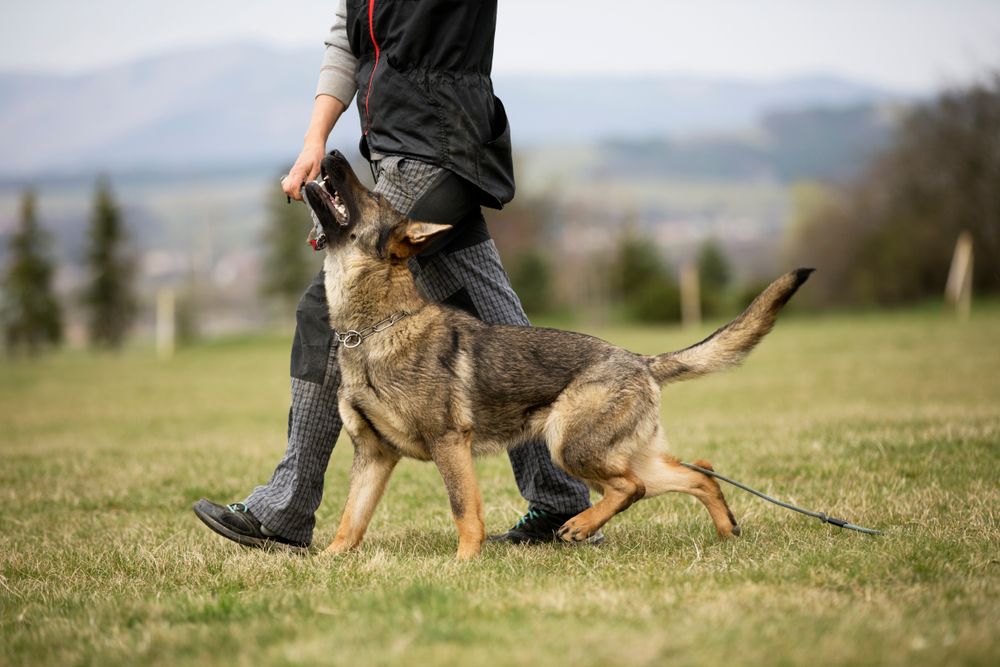
German Shepherds are highly intelligent animals, and with time, patience, and dedication, they are typically easy dogs to train. A well-trained German Shepherd dog (GSD) is a wonderful animal to live with, and they are one of the most popular dogs in the United States largely for this reason. That said, the intelligence of these dogs can also make them stubborn at times, and they’ll need a firm but gentle hand in training, as well as a systematic, consistent approach.
We highly recommend positive reinforcement training methods with German Shepherds. Although they are strong, confident animals, they are also sensitive to harsh training methods. Reward-based methods help establish a high level of trust and a strong bond with your dog, and in our experience, they are the most effective techniques for training.
German Shepherds are ready for basic training when they are around 8 weeks old, and the earlier that you get started, the better. If you’ve just brought home a GSD puppy and want to get them well-trained, you’ve come to the right place! We put together this step-by-step guide for you to help you train your GSD properly, methodically, and successfully. Let’s get started!

How to Train a German Shepherd:
1. Socialization
Socialization is arguably the most important step in successfully training any dog but is often the most overlooked aspect in training. German Shepherds are, by nature, protective and observant animals, and it’s vital for them to learn early who is a threat and who is not. There is a critical window—from 12 to 16 weeks—where socialization is crucial. During this time, your GSD should be exposed to many new faces, environments, and situations, as this will help them gain confidence around strangers rather than react aggressively toward them.
This confidence is vital to proper training, as this is the foundation of learning new commands and techniques. Socialization also includes exposing your GSD to other dogs, as well as new places. However, it is best to be cautious and only expose them to known, vaccinated, and healthy dogs if they are not finished with their vaccination schedule. You can still put them in a travel puppy bag or stroller and let them see and sniff the world from this safe place. Once they are fully vaccinated, get them out to dog parks, and have them interact with other puppies, gentle dogs, and people. You should not overdo it, though, as it can overwhelm them, especially in the beginning; 30 minutes a day is plenty.

2. Crate Training
Crate training is an invaluable tool for GSDs because it will teach them that it’s okay to be alone. Crates can also provide a safe space for them when things get overwhelming. If your GSD will be traveling frequently, crate training is essential, but it’s a great tool overall. Crate training can also help with feeding and potty training early on and can alleviate separation anxiety.
Choosing the right crate for your GSD is important. It should be durable, comfortable, and perfectly sized for your dog. If you choose the right crate, it will help the process immensely, and in the end, your dog will enjoy being inside it.
Begin by bringing them close to the crate when they are in a calm and relaxed state, and lure them inside with treats if they remain calm. Then, move away from the crate before their mood changes. Do not attempt to close the door until they have a positive association with the crate.
The idea is for them to consider the crate as a place of calm, so make sure it has a cozy bed, a few toys, and maybe even a T-shirt with your smell on it. You can gradually work on extending the time that they spend inside before attempting to close the door. A great tip is to give them a treat that may take them a while to eat, so they can associate the crate with a pleasurable experience.
It’s a good idea to say a key command every time you have them go inside the crate, such as “crate,” so they start to make that association too.
3. Housetraining
When housetraining your puppy, it’s best to establish a routine that you can stick to every day, as this will help get them housetrained quickly and easily. The first step in housetraining your GSD is to take them outside often, at least every 2 hours, but especially after they wake up or eat or drink. It’s a great idea to pick a specific spot in your yard and keep taking them to that spot, as they’ll associate it with doing their business. Then, reward them with praise and even a treat when they eliminate outdoors. It will also help to feed them on a regular schedule and not too close to bedtime. This consistent feeding will make elimination consistent too.

4. Obedience Training
At around 3 months old, your GSD is ready to begin obedience training. For most GSDs, this is a part of their history, and they usually have no problem learning basic commands. The first basic commands, like sit, fetch, or stay, can be taught from the day that you bring your puppy home so they’re ready for proper training at around 3 months.
The most basic behaviors of obedience training and the ones to focus on first are recall and leash training. Your GSD should walk happily on a leash by now, and you may want to let them off it at the park or safe places on walks. Recall is vital at this stage—you want your dog to come back as soon as you call them. It can take a great deal of time and dedication to properly teach your dog this skill, but it’s essential and could even potentially save their life. Most experts recommend making recall training a game and making it as enjoyable as possible so it doesn’t feel like training.
There are a variety of different methods to try, but it’s important to not overuse the recall cue. If you repeat yourself too much without your dog listening, the cue will become lost and they’ll be less likely to respond to it. Another important point to always reinforce your dog for responding to a recall, even if it took them a long time. Punishing your GSD for taking too long to respond will only confuse them and make the process take far longer. Coming back sooner can be worked on later, but for now, your GSD should know that something good is waiting for them.

Training Tips
There are tons of different training techniques for dogs, and it’s largely up to you which methods you want to choose for your GSD. No matter what you use, here are tried-and-tested tips to help train your GSD successfully.

1. Have Varied Training Environments
Training in your backyard where all the elements are constant and controllable is great, especially in the early stages, but it can be problematic in the long run. This is because your GSD may be able to respond to commands easily in a controlled environment, but as soon as there are other dogs or distractions around, their training goes out the window! It’s a great idea to (safely) take them to places where there are large groups of people, noises, other animals, and traffic to cement their training in every situation.
2. Be Consistent
Training your GSD once or twice a week and then not at all the next week will simply not work. Training needs to be consistent, as dogs learn best from repetition. You should have at least one short training session every day, if possible, as this is the best and fastest way for them to learn. It’s also important to remember that there are training opportunities all the time, during feeding, walks, and play, and these can all be used to better your GSD’s training.
3. Don’t Rush
Consistency is vital to good training, but you should also be careful not to rush the training process. All dogs, even within the same breed, learn at a different pace, and some dogs require more patience than others. As long as you stick to the program and are consistent, your dog will learn soon enough, and it’s important to exercise a ton of patience during the process.

4. Know That GSDs Are Working Dogs
German Shepherds come from a long bloodline of dogs that worked closely with humans, and this is wired into their DNA. This is important in training because your GSD wants to be busy all the time and thrives off of having a job to do. Training can help fill that void, but they will also benefit from directed play and activities that stimulate their natural instincts.
Final Thoughts
German Shepherds are highly intelligent dogs and overall, are not that difficult to train successfully. When training any dog, but especially intelligent and sensitive dogs like a German Shepherd, rewarding good behavior and ignoring bad behavior is key. This approach will help you establish trust and forge a strong bond with your GSD. Socialization is also a vital yet often overlooked factor in training and should be started as soon as possible.
Training your GSD will require strong leadership, consistency, and loads of patience, but in the end, when you have a well-trained German Shepherd, the benefits are worth it! Hopefully, our tips have helped provide a basic roadmap to assist you in training your beloved German Shepherd.
Looking for more tips for German Shepherds? Check out:
Featured Image Credit: Helga Madajova, Shutterstock
Expert dog care, straight to your inbox
News, insights, expert advice, and everything dog.

No spam — unsubscribe anytime.
By signing up, you agree to our Terms & Conditions and Privacy & Cookies Policy.
How useful was this post?
Click a star to rate. You can leave written feedback afterwards. (We read all feedback.)
Nicole has loved animals of all sizes her whole life so it's no wonder she has dedicated her career to helping them through what she loves best: learning, writing, and sharing knowledge with others. She’s the proud mom of two dogs, a cat, and a human. With a degree in Education and 15+ years of writing experience, Nicole wants to help pet parents and pets around the planet to live happy, safe, and healthy lives.