Get

In Your Inbox

Dogster is reader-supported. When you buy via links on our site, we may earn an affiliate commission at no cost to you. Learn more.

10 Dog Walking Problems & Vet-Approved Solutions

Share

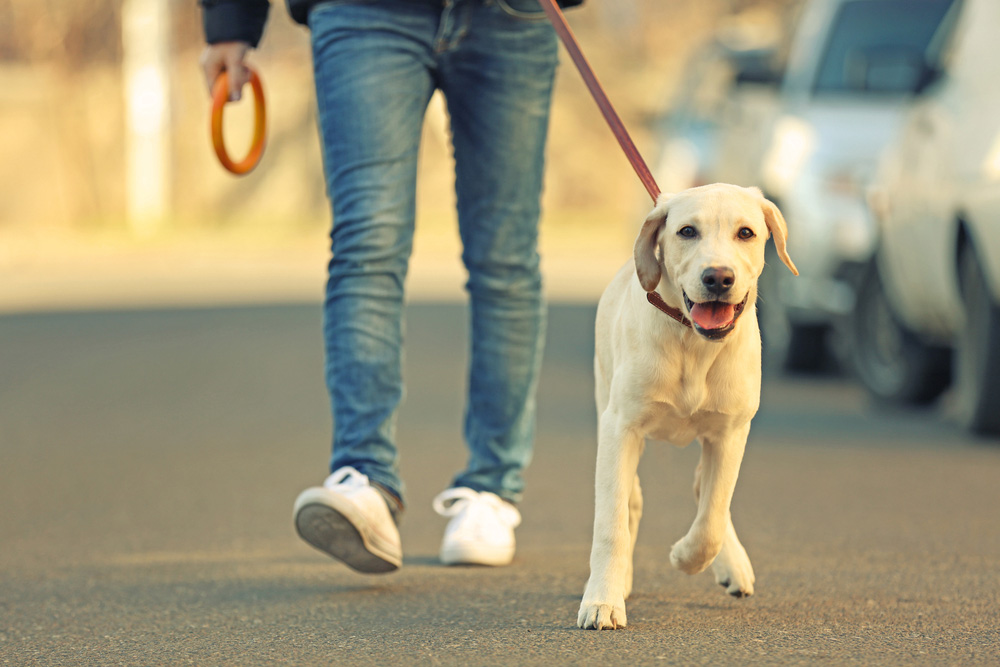
male owner walking his labrador retriever dog in the city

Are you finding that taking your dog for a walk ends with you or your pet feeling more stressed than before? Multiple problems plague a large number of owners once the leash is on. It can be frustrating to have a dog that doesn’t seem to know how to behave on a walk, and it can also put your pet in dangerous and stressful situations.

Let’s talk about the most common problems that dog owners face when taking their canine companions for a walk, along with possible solutions.

divider single dog paw oct 2024

The 10 Dog Walking Problems and Their Solutions

1. Showing Overexcitement Over the Leash

man walking his Staffordshire Bull Terrier dog with retractable leash
Image Credit: Christine Bird, Shutterstock

We’ve all seen this, whether it was our dog or someone else’s: The leash comes out, and the dog loses their mind, jumping, barking, spinning, and just generally being excessively excited to a point that can be annoying or frustrating.

For some people, this behavior can be risky since it can lead to trip-and-fall events. It’s fine for your dog to be excited when they realize they’re going for a walk, but it’s important for them to learn how to contain their excitement. Otherwise, you’ll be taking your dog on a walk after they’re already amped up and not paying attention.

The Solution:

Get your dog used to seeing their leash when they aren’t going for a walk. Leave it where they can see it, or pull it out at random times without actually going for a walk. Over time, you’ll be able to increase the frequency at which your dog sees the leash.

Provide positive reinforcement when your dog reacts calmly to the leash or ignores it completely. Once your dog has gotten better at how they react to seeing the leash, start clipping it onto them without going for a walk. Again, provide positive reinforcement for appropriate reactions to this action. Encourage your dog to sit calmly or stand still when you’re putting their leash on. The goal is for your dog to remain calm when they see the leash and allow you to get the leash on and off of them with ease.


2. Pulling on the Leash

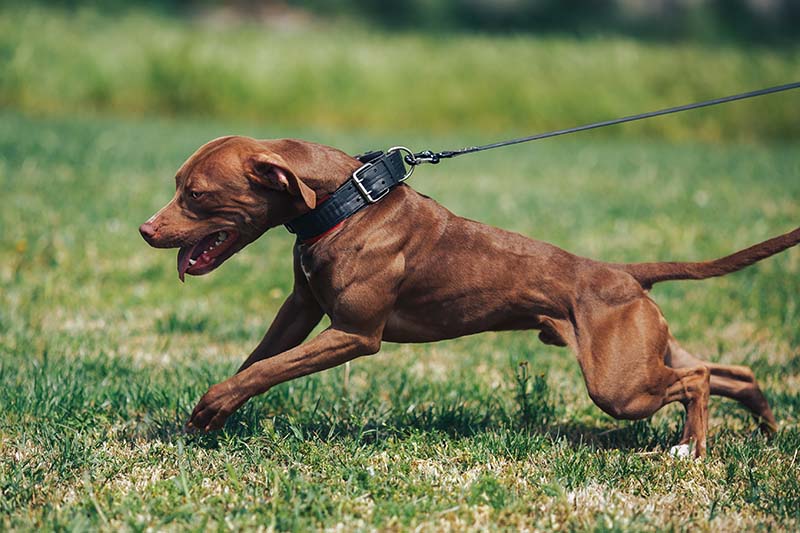
Pulling on the leash during walks is probably the most common issue that dog owners face. Pulling can be frustrating for you, but it can also cause you to fall or have your arms or shoulders jerked in a way that can be painful and cause injuries.

Depending on the collar or harness you use with your dog, pulling can also cause injuries to your dog. It enables them to have all the control during the walk, which means you aren’t able to be effective at keeping things safe and calm.

The Solution:

While walking your dog, do not allow them to continue walking when they pull. The second they do, stop the walk and keep your feet planted. When they return to your side or loosen the tension, you may continue to walk. This is going to take some persistence and lots of positive reinforcement, but they’ll catch on eventually!


3. Exhibiting Reactivity While Leashed

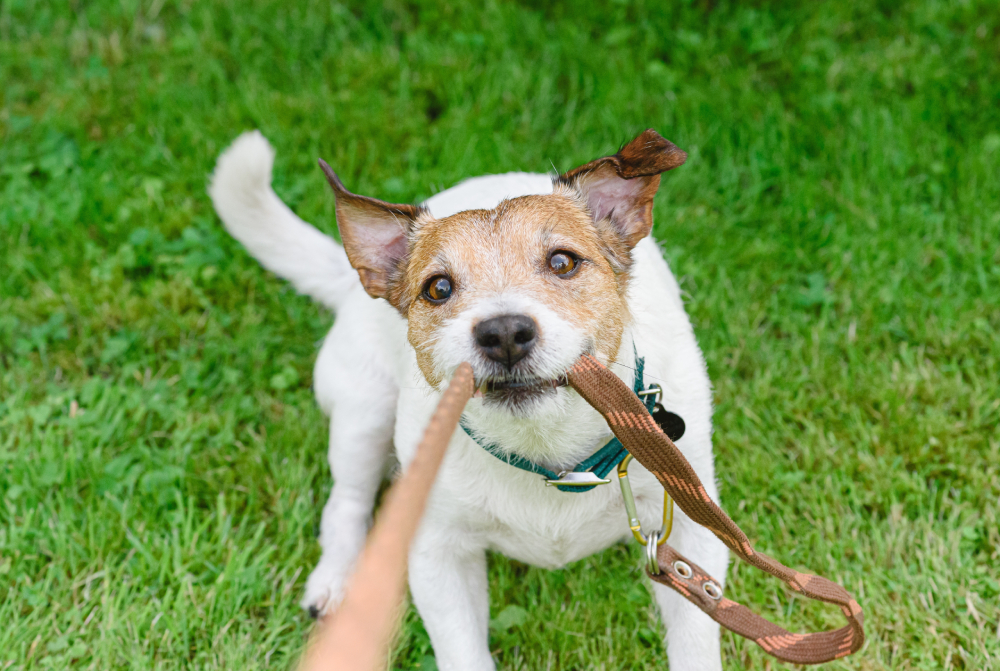
short legged jack russell terrier dog walking on a leash
Image Credit: nadia_if, Shutterstock

Leash reactivity occurs when a dog feels the need to react inappropriately to people or other animals when they’re leashed. This behavior often includes displays of aggression, like growling, teeth-baring, barking, or lunging. However, this behavior occurs when your dog is feeling fearful or stressed and they don’t know how to respond appropriately to these feelings.

In many cases, your dog will spot the thing they’re going to react to when it’s still a good distance away. This means that your dog is going to have an escalation of their negative feelings as you get closer and closer to the source of their stress.

The Solution:

Counter-conditioning is an effective way to reduce leash reactivity, but it often requires time and patience. While you’re still working through this behavior, it’s best to stick to environments where you can have some control over the other factors.

To counter-condition your dog’s leash reactivity, you want to provide them with something positive, like a favorite treat, when they first see the source of their stress. Every time your dog looks at you instead of at their trigger, you should provide them with a treat until the trigger is no longer in their line of sight. This teaches them to take a moment and disengage instead of reacting.

Leash reactivity is not an easy thing to fix, however, and in many cases, professional help is needed to work through it, so don’t hesitate to reach out to a trainer. The faster you solve this, the less of a habit it will become for your dog.


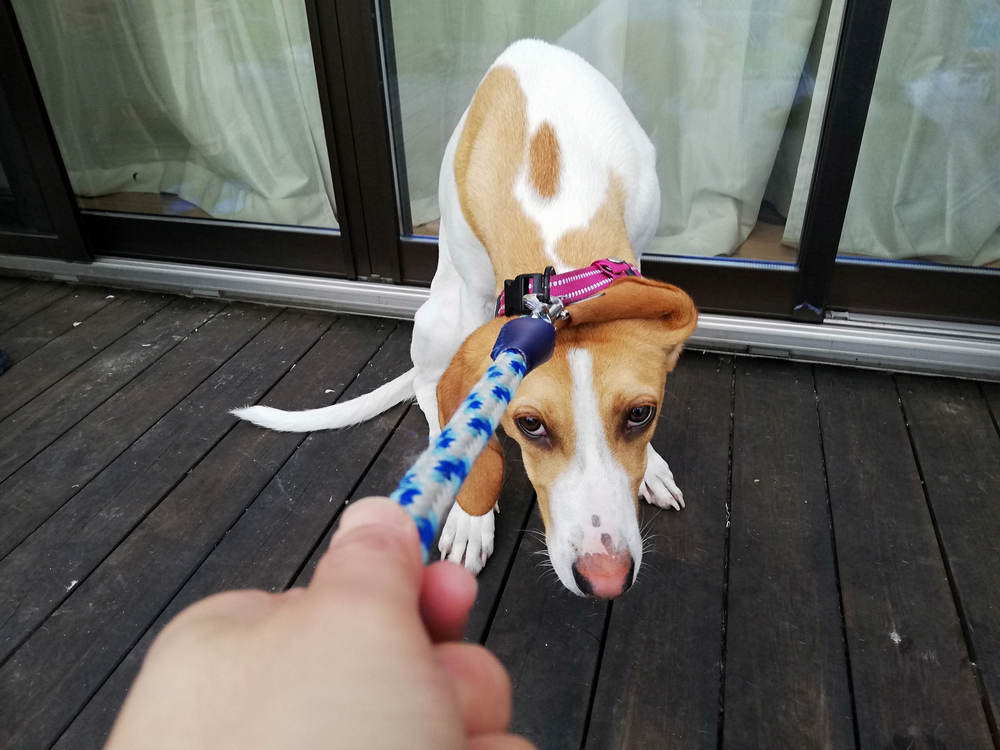
4. Refusing to Walk

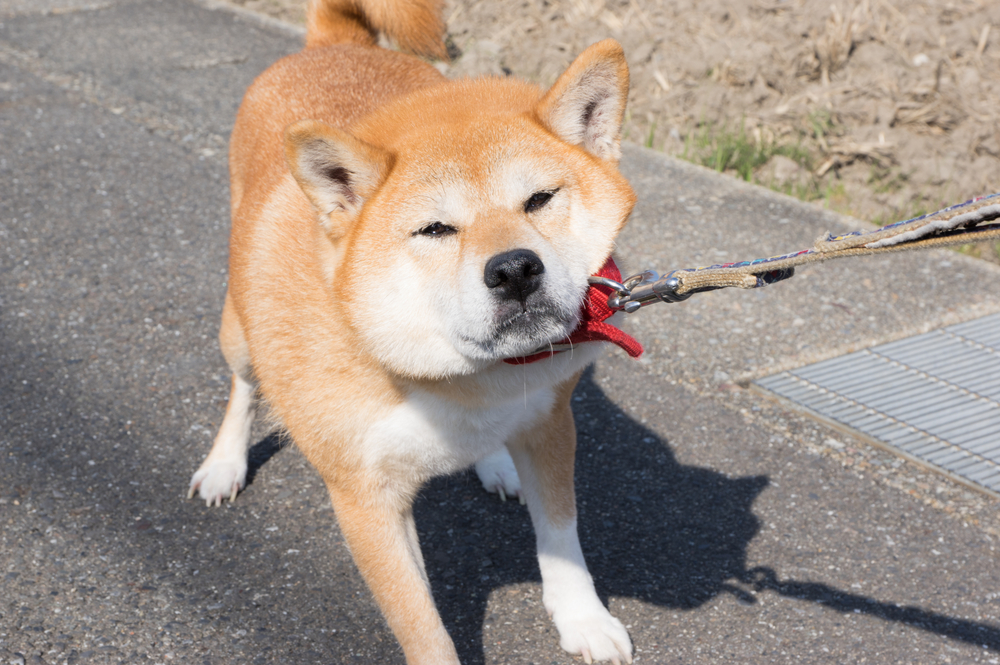
As funny as it can be to see a dog plop down on the sidewalk and refuse to move, it can be a major inconvenience for the owner. This is especially an issue if your dog is too large for you to easily carry. There are sometimes physiological reasons that dogs will refuse to walk, including injury and illness. For other dogs, this is strictly a behavioral issue that should not be encouraged.

The Solution:

Check your dog over for any signs of injury or illness, and consider getting them in for a vet visit for a thorough exam. If this is a new behavior for your dog, it’s likely that something is causing them pain or making them excessively tired. Much like leash reactivity, refusing to walk can also be a sign that your dog is fearful or stressed about the situation, so positive reinforcement is needed to help your pet feel safe and comfortable again. If you have a dog that is simply lazy and stubborn, you can use positive reinforcement to encourage them to not suddenly stop and refuse to walk.

In some cases, this may also be a sign that you need to shorten the walks that you’re taking with your dog. If you have a low-energy breed, they may never be a good walking companion for you. Consider changing up your walking routes to keep things fresh and interesting, which will provide enrichment for your dog and make them more likely to keep moving.


5. Barking

Shiba Inu dog barking outdoor
Image Credit: dikkenss, Shutterstock

There are a few reasons that your dog may bark excessively during a walk. They may be overly excited, anxious, stressed, or fearful. Some dogs may bark at nothing in particular, while other dogs may only bark at other animals or people because of leash reactivity and stress. You might find yourself trying to shout over your pup’s barking in an effort to get them to stop, but this can actually make the situation worse by making them think that you’re joining in on the noisemaking.

The Solution:

The best way to keep your dog from barking on walks is to practice positive reinforcement of desirable behavior. Give treats for calm behavior and encourage calmness. It’s a good opportunity to train your dog to focus on you during your walks, so make sure to also provide positive reinforcement when they look at you.

Providing them with multiple reinforcement opportunities that are incompatible with barking—for example, holding a ball in their mouth—can help. Putting the barking under stimulus control and teaching them to do it on cue can also help extinguish this undesired behavior.

If you need to speak with a vet but can't get to one, head over to PangoVet. It's our online service where you can talk to a vet online and get the advice you need for your pet — all at an affordable price!

PangoVet_Mention-in-Content Savings V1


6. Scavenging

Does your dog love to pick up interesting things on their walk? Unfortunately, scavenging is a dangerous habit for your dog to have. Pesticides, rodenticides, herbicides, rotten food, antifreeze, and other dangerous products can be on objects that your dog picks up or consumes. Eating items on walks can lead to gastrointestinal distress, intestinal obstructions, toxin exposure, and injuries.

The Solution:

If your dog is a big scavenger on walks, you may need to look into the use of a basket muzzle. This can be a fantastic way to keep your dog from being able to consume things while still allowing them to pant. Just make sure to read up on proper muzzle sizing.

Positive reinforcement and encouraging your dog to focus on you throughout their walk are also good options for reducing or eliminating this behavior. Train your dog the commands “leave it” and “drop it” so you can quickly get them away from potentially dangerous items.


7. Excessively Sniffing

Dog sniffing grass
Image Credit: Lyns157, Shutterstock

Some dogs seem to stop every few feet to sniff, sometimes for extended periods. It can make walks feel like they’re taking forever to get through. You may find it highly annoying that your dog stops to sniff so frequently.

The Solution:

Dogs have an excellent sense of smell, and they use it to learn about the world around them. Sniffing is an incredible enrichment activity that doesn’t cost you anything. To stop your dog from sniffing so much on walks, you should consider adding a “sniffari” into your daily routine. This is a walk that is specifically for the purpose of allowing your dog to sniff and explore.

By offering them this opportunity, you may find it easier to keep them moving on their regular walk because they will have already experienced the enrichment of sniffing. Positive reinforcement when your dog doesn’t sniff very long or avoids sniff spots can also help keep things moving.


8. Taking Excessive Potty Stops

Like sniffing, it can be annoying to have your dog stop every few feet to pee. Many dogs love to mark their territory on walks, which can result in frequent pit stops.

The Solution:

The first thing you should do if your dog seems to be urinating excessively is have them checked out by a vet. You should have medical causes, like UTI and bladder tumors, ruled out. Some dogs will stop frequently for territory marking, though, and this is a normal behavior, especially if your dog is an intact male.

You can discourage frequent potty stops by keeping your dog’s leash short enough to give you control to keep them moving and practicing positive reinforcement when they opt not to stop to pee frequently.


9. Not Listening to You

mexican hairless dog walking with owner
Image Credit: Ira Shpiller, Shutterstock

It can be frustrating to deal with walking a dog that simply will not listen or pay attention to you. It can be dangerous for your dog to ignore your commands. This is a common problem for many owners because many dogs get overstimulated by the novel environment they experience on a walk.

The Solution:

Clicker training is a good option for dealing with this. Start in a quiet place in your home with minimal distractions. Over time, you’ll be able to work your dog up to more exciting environments.

Have your dog walk around with you, and every time they look at you, provide a click from the clicker and then give them a treat. A clicker is helpful because it enables you to “mark” the desirable behavior right when it happens, and then your dog will learn to associate the clicking sound with treats and praise.


10. Darting

Some dogs don’t pull on their leash but instead choose to dart all over the place. Sometimes, this can even result in your dog darting into the road, the path of a bicycle, or other dangerous situations.

The Solution:

Training your dog to focus on you and listen to your commands during walks is imperative. If your dog frequently darts, you will need to keep them on a very short leash until they’re trained. Keeping your dog from darting will help keep them safe, so even if neither of you is happy with the short leash arrangement, it’s important that you do it while you’re training your dog.

Training your dog to walk on your side and to “heel” is the best way to fix this problem.

divider dog paws 2 oct 2024

Conclusion

Taking your dog for a walk should be a fun bonding time for both of you. Positive reinforcement training can be used to solve a variety of dog walking problems. If you’re ever unsure of how to proceed in dealing with an issue or you’re struggling to succeed in training your dog, reach out to a professional trainer for help. They’re a wonderful resource and can help get you pointed in the right direction in your training journey.

See Also:


Featured Image Credit: Africa Studio, Shutterstock

Want content like this delivered to you?

Sign Up For Our Newsletter

News, insights, expert advice, and everything dog

* By submitting, you agree to our Terms & Conditions and Privacy & Cookies Policy.


How useful was this post?

Click on a star to rate (you can leave written feedback after clicking submit)

Help us improve Dogster for pet parents!

Your feedback really matters.

What did you like about this post? Also how can we improve it?

Join the conversation

Leave a Reply

You’re very welcome to leave a comment or question. Please know that all comments must meet our community guidelines, and your email address will NOT be published. Let’s have a positive and constructive conversation.


Talk With A Vet Online

Peace of mind,
anywhere, anytime

Affordable vet advice

Dogster’s Weekly Photo Contest Winners: My Best Trick (April 16, 2026)

Every week our team gets the privilege of sorting through our readers photos to choose what dogs will win this weeks contest! See...

From Grief to Gratitude: How One “Potato” and a Road Trip Changed Everything

The “COVID Puppy” phenomenon is a well-known chapter of the pandemic, but for Alexis Walling, the arrival of a tiny, wrinkled English Bulldog...

Why Dogs Play Too Rough — And the Simple Fixes That Prevent It From Becoming a Problem

A dog that plays too rough with others is a problem that builds fast. One minute, the dogs are running and chasing, the...

Ricky Gervais Says: It’s Time to Release The Dogs

As activists prepare to carry out the biggest Open Rescue in the history of animal welfare, Ricky Gervais says, “it’s time to release...

More related

Is There Horse Meat in Dog Food? Separating Truth From Fiction

There is a great deal of information floating around about dog food and its ingredients, and it can certainly be difficult to tell...

Rhodesian Ridgeback Dog Breed: Info, Pictures, Origin & More

Known for a distinctive stripe of reversing hair on their backs, the Rhodesian Ridgeback is a well-known large dog breed that was bred...

My Dog Has Too Much Energy, What Should I Do? 6 Vet-Reviewed Tips

Highly active dogs can be affectionate and playful, but pet parents sometimes find dealing with their energy demands challenging. Unfulfilled, these needs can...

Muenster Dog Food Review 2026: Pros, Cons, Recalls & FAQ

Review Summary View this post on Instagram A post shared by Shayna Smith (@feudesetoiles) Muenster Milling Co. has been in business since 1932....

Keep reading

My Dog Eats Too Fast: 6 Vet-Reviewed Tips on How to Slow Them Down

Some dogs eat their food very quickly. But how fast is too fast? It might just seem like your dog is hungry or enjoys their food, but eating too fast can be harmful for your dog. Fast eating is a...

labrador retriever dog eating dry kibble

10 Best Dog Foods for Cocker Spaniels in 2026: Reviews & Top Picks 

Dog food can be a little tricky to pick these days since there are so many vast recipes and brand options on the market. If you have a Cocker Spaniel, you are probably looking for the best choice for your...

Cocker Spaniel puppy eating

What Is Chicken Meal in Dog Food and How Safe Is It? Vet-Verified Facts & FAQ

As a dog owner, you want to provide your pet with the best nutrition possible to ensure a long, happy, and healthy life. There are plenty of commercial dog food options available on the market, many of which have unique...

shar pei dog eating

What Is Salmon Meal in Dog Food? Vet-Approved Facts & FAQ

Salmon meal is a rich, protein-heavy ingredient. Typically, it is created by drying salmon to remove most of its moisture content. This leaves a dried meal that is usually broken down into a powder. Since dry dog foods have little...

smoked salmon outdoors

Can Dogs Eat Golden Berries? Vet-Approved Nutrition Advice

Your dog might beg you to share your food with them, but it’s always best to do your research first to ensure that the food doesn’t contain any dangerous ingredients. One increasingly popular food that people might wonder about is...

Can Dogs Eat Golden Berries

11 Best Dog Foods for Labs in 2026 – Reviews & Top Picks

When it comes to canine nutrition, we are learning how vital it is to our beloved dog’s overall health to feed them the very best. If you have a large breed like a Labrador, providing a well-balanced diet is essential...

Labrador dog eating

Can Dogs Eat Pudding? Vet-Reviewed Facts & FAQ

Imagine this: You’re feeling nostalgic for the school lunches you ate as a kid. You’re halfway through your peanut butter and jelly sandwich when you spot a fresh cup of pudding. As you pull back the lid, your hands slip,...

Can Dogs Eat_pudding

5 Best Sources of Iron for Dogs (& How Much They Need Daily)

Many lifeforms need iron to survive, from wild animals like giant blue whales and African lions to domesticated pets like dogs and cats. Iron has many important qualities, so it’s abundant in different sources of food. Most commercial dog food...

Siberian husky-dog-puppy-eating-a-meat_Hyper-Set_shutterstock

Love Dogs? So Do We! Join the Dogster Community

Stay informed with expert pet care insights delivered straight to your inbox! Discover professional guidance on animal behavior, feeding tips, trusted product picks, and much more.


Sign up for the Dogster Email Newsletter