7 Ways to Prevent Dog Walking Injuries: Vet-Approved Safety Guide


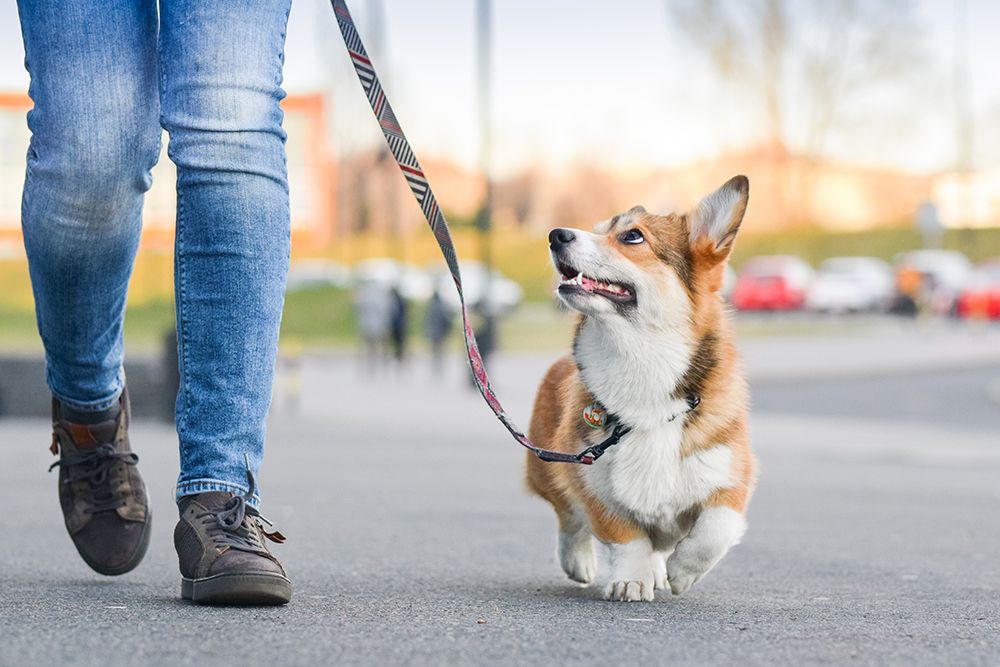
Walking your dog at least once a day is a great way to help both of you stay fit, enjoy nature, and socialize with other humans and canines. However, as with any outdoor activity, walking your dog incorrectly can cause injuries.
In this article, you’ll learn seven important tips to prevent dog walking injuries, such as wrist or shoulder injuries. You’ll also find additional information on keeping your pet safe during walks.

The 7 Ways to Prevent Dog Walking Injuries
1. Choose the Right Leash and Collar

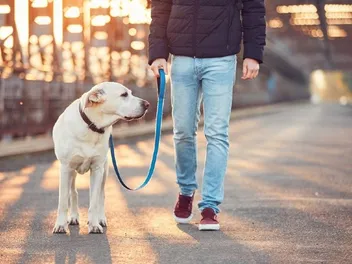
One of the most important ways to prevent dog walking injuries is by choosing the right leash and collar for your pup. Using a long or retractable leash might seem like a good way to give your dog more freedom, but it also makes it difficult to keep your pet under control.
If you're walking a rowdy dog on a long leash, they could easily trip you, run into the street, or get into a fight with another animal. Instead, choose one that’s 4 to 6 feet long at the most. Make sure your dog’s collar fits securely. If your dog consistently yanks on the leash, consider using a no-pull harness or head collar.
2. Wear the Right Shoes

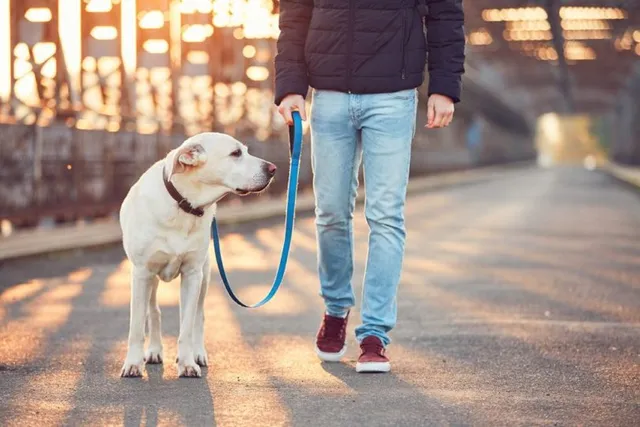
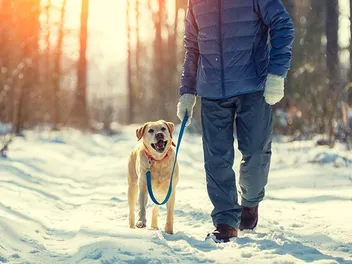
Protect yourself while walking your dog by slipping into the appropriate footwear before you head out the door. Your shoes should be comfortable, slip-resistant, and appropriate for the weather.
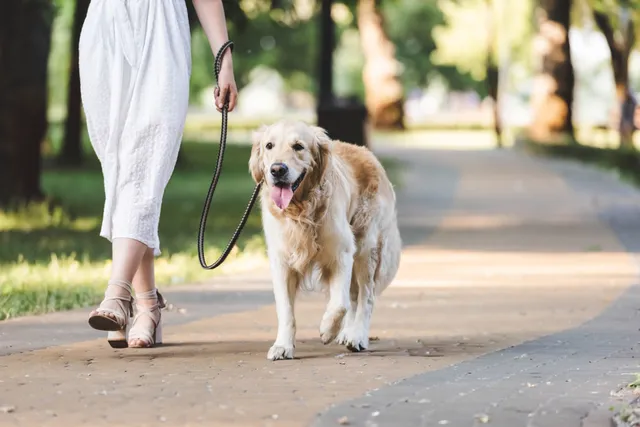
You can wear snow or rain boots if necessary to provide the right traction. Avoid walking your dog in shoes with high or thin heels or slippery soles, especially if you own a large and energetic canine. Attempting to walk your dog in the wrong shoes can lead to preventable injuries if your pup bolts or knocks you off your feet.
3. Don’t Wrap the Leash Around Your Wrist

If you’re worried your dog will pull free of your grip, it can be tempting to provide more security by wrapping the leash around your wrist. However, this technique can be dangerous for you.
For example, you could be pulled over and dragged by your dog if they bolt after a squirrel, and you can’t get the leash off your wrist quickly. You’re also at risk of hand, wrist, arm, or shoulder injuries if your dog jerks hard on the leash.
4. Train Your Dog

Teaching your dog basic leash manners will not only make walks less stressful for you but could also prevent injuries. As soon as your puppy is old enough to walk on a leash, teach them how to walk calmly without pulling or straining.
Leash training should also be part of your dog’s basic obedience lessons. Training your dog to sit on command and come when called will make it easier and safer for you to walk them. If you aren’t sure how to teach your dog to walk politely on a leash, look for training classes or a professional dog trainer to assist you.
5. Don’t Try to Do Too Much

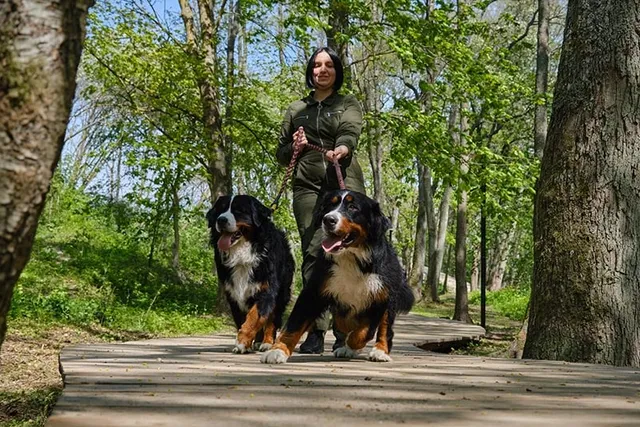
Many dog walking injuries can be prevented simply by using common sense. For example, if you own several large dogs, don’t try to walk them all simultaneously. Whoever walks the dog should be big enough and strong enough to keep the animal under control.
Kids shouldn’t be allowed to walk dogs who weigh more than they do, and they should avoid “walking” the dog while riding a skateboard or scooter. If you want to exercise your dog while riding a bike, look for special equipment to allow you to do so safely.
6. Choose the Right Dog

Not every dog or breed is the right match for every living situation or owner. This is especially true regarding the dog’s energy level and exercise needs. Seniors or people with mobility issues may not be the right fit for big, energetic dogs.
If you’re unsteady on your feet or have joint problems, for example, you could be injured more easily while walking your dog. As adorable as you may find a Golden Retriever, a smaller, more easily managed pup may be the safer choice.
7. Pay Attention to Your Surroundings

If you’re distracted while walking your dog, it’s harder to anticipate actions that could lead to injuries. For example, if you’re glued to your phone, you might not see a loose dog getting ready to charge yours and cause them to run under your legs. You can also look ahead for uneven or slippery surfaces. Paying attention to your surroundings helps keep you and your dog safe while walking.

Additional Tips to Keep Your Dog Safe
Many of these tips we mentioned prevent dog walking injuries and can keep your pet safer. Here are a few more precautions to take before you snap on the leash and head out for a walk.
- Make sure your dog is protected from parasites and disease by keeping them current on their shots and applying worm, flea, and tick preventatives.
- Ensure your dog wears identification with your contact information in case you’re separated during the walk. For added protection, you can get your dog microchipped and make sure their information stays current.
- Protect your dog from the elements, such as extreme temperatures and icy sidewalks. Avoid walking your dog when it’s hot outside since they can easily become overheated. Dress your dog in a jacket and protective booties when it’s cold and snowy.
- Make sure your dog stays hydrated and doesn’t overdo it on walks. Build up their physical fitness before attempting long or strenuous hikes.
- To protect your dog's paws, avoid walking them on hot asphalt or rough terrain.
- If you and your dog are walking at night, you should wear reflective gear. In rural areas, wear bright colors to make sure you and your dog are visible during hunting season.
Conclusion
Although you can’t necessarily avoid all injuries while walking your dog, these tips can help you prevent them as much as possible. If you get hurt while walking your dog, contact a medical professional for advice and care. If you worry you can’t walk your dog safely or as much as they need, consider turning to friends, family, or professional pet sitters for help.
Sources
Featured Image Credit: Jus_Ol, Shutterstock
Expert dog care, straight to your inbox
News, insights, expert advice, and everything dog.

No spam — unsubscribe anytime.
By signing up, you agree to our Terms & Conditions and Privacy & Cookies Policy.
How useful was this post?
Click a star to rate. You can leave written feedback afterwards. (We read all feedback.)
Elizabeth Gray is a lifelong lover of all animals great and small. She got her first cat at 5 years old and at 14, she started working for her local veterinarian. Elizabeth spent more than 20 years working as a veterinary nurse before stepping away to become a stay-at-home parent to her daughter. Now, she is excited to share her hard-earned knowledge (literally--she has scars) with the readers. Elizabeth lives in Iowa with her family, including her two furry kids, Linnard, a husky mix and Algernon, the worldʻs most patient cat. When not writing, she enjoys reading, watching all sports but especially soccer, and spending time outdoors with her family.