How Much Crude Protein Should Be in Dog Food? Vet-Verified Facts & Advice



In this article
Finding out how much crude protein should be in dog food, as it turns out, is not an easy question to answer. Let's explore why. The amount of crude protein that should be in dog food varies. Several variables need to be considered. Each type of protein has a different level of digestibility and bioavailability. Dogs will need more crude protein if it is less digestible and less if it is more digestible. This depends in part on how much of that protein your dog can digest, absorb, and use.
Individual dog factors will affect how much protein they need to eat, such as life stage, health status, and lifestyle. Middle-aged couch potatoes will need less protein than active young and growing dogs. In addition, the water content of a food affects the crude protein percentage listed on the label, so foods should be compared on a dry matter basis.
Read on to learn more.

What Is Crude Protein In Dog Food?
Firstly, we need to know what crude protein is. Crude protein is a measurement of the total nitrogen content of a food multiplied by 6.25. This gives an estimation (crude) of the protein content of the food, as most nitrogen is found in protein. It is usually written as a percentage of the food by weight. Twenty percent crude protein means that approximately 20% of the food’s weight is estimated to be protein based on its nitrogen content.
Keep in mind that the amount of water in the food can vary the crude protein values a lot, so to compare like with like, you need to convert crude protein into dry matter. For example, a dog food kibble with 21% crude protein and 12% water has a dry matter of 23.8%. If you were comparing this with a canned wet food with 8% crude protein and 78% water, this would have 36.4% dry matter protein. This gives you an idea of the limitations of crude protein as a value.

Does Crude Protein Content Matter?
AAFCO governs the nutrient content guidelines for pet foods.1 They state that food suitable for growth and reproduction should contain a minimum of 22% protein by dry matter basis, and for adult maintenance, a minimum of 18% by dry matter.
They express these minimums on a dry matter basis to account for differences in water content, and pet food labels typically list protein as “crude protein,” which represents the total nitrogen content rather than the exact amount of biologically available protein.
There are also no guidelines for the maximum amount of protein that should be in dog food. Dog food that has higher amounts of crude protein listed doesn’t necessarily mean that your dog is going to absorb more protein from those foods or that it is automatically better for them.
If you’re unsure of how much protein your dog needs, please contact a vet for professional advice.
Digestibility and Why It Matters
When it comes to protein, digestibility matters. If a protein has high digestibility, your canine is going to get much more nutrition out of it than a low-digestibility protein. Typically, it’s the source of protein that governs digestibility. Therefore, you can make a pretty good estimate of a dog food’s digestibility based on the sources of the protein.
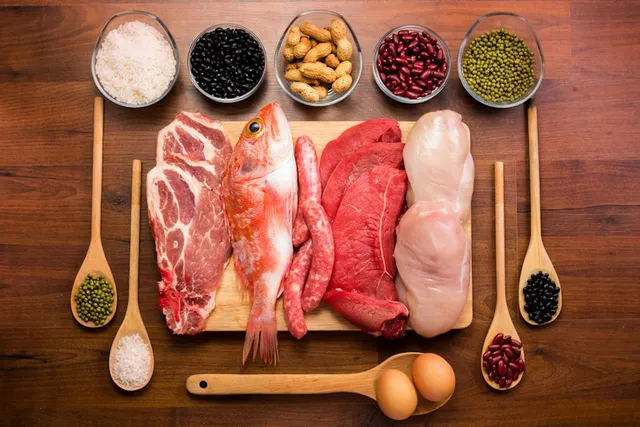
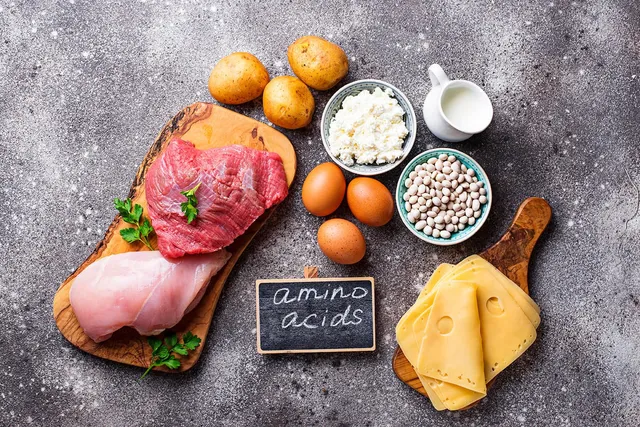
Generally, animal-based protein sources tend to be more digestible than many plant-based proteins, although this can vary depending on processing and ingredient quality. Therefore, ingredients like pea protein may increase a food’s crude protein, but the digestibility and amino acid profile may not provide the same nutritional value as high-quality animal proteins. However, corn gluten has a very high level of digestibility. Lamb meal can be highly digestible when properly processed, although digestibility varies depending on ingredient quality and formulation. Fish, dairy, and eggs provide some of the most highly digestible protein.
On top of the type of meat, the part of the animal the meat comes from also matters. Cooking and processing can affect digestibility as well. Therefore, assessing the digestibility based on food labels alone can be challenging. You can look at the type of protein, but these other factors aren’t usually apparent.

Factors to Consider
Many factors affect how much protein your dog may need. Adult dogs need different amounts of protein than puppies or seniors, for instance. You’ll need to consider your particular dog, as well as the digestibility of the crude protein included.
- Life Stage: Puppies need more protein than adult dogs do. Therefore, you have to consider if your canine is still growing or not. Some senior dogs may benefit from adequate to moderately increased high-quality protein to help maintain muscle mass, but some seniors with kidney disease may require dietary protein adjustment depending on the stage and individual needs, so it is important to check with your vet first.
- Performance: More active or working canines require more protein, as they need to rebuild their muscles after damaging them during exercise. Dogs with professional jobs typically need more protein as they move more than their companion counterparts.
- Weight: Dogs that are currently overweight may benefit from diets relatively higher in protein and controlled in calories. Protein helps them stay full longer, which can help them lose weight. If you’re trying to encourage weight loss, be sure any formula you purchase has a higher amount of protein. However, overall caloric intake is the most important factor for weight loss, and high-protein diets are not always high in calories.
- Disease: Certain disorders can affect your dog’s ability to absorb protein, increasing their need for crude protein. Furthermore, some dogs need less protein to prevent certain disorders from becoming worse. In this case, these dogs may need less crude protein. Several diseases can affect a dog’s protein needs, so speak to a vet if your canine has any underlying problems.
- Food Allergies: Most food allergies are linked to specific proteins. These proteins can be from plants or meats. Typically, it takes repeated exposure over time before a dog develops an adverse food reaction, so this condition is rarer in puppies. Food allergies may not affect the amount of protein your dog needs, but they can affect the types of protein they can consume.
Conclusion
It is challenging to specify exactly how much protein your dog needs. Different types of protein have different digestibilities and bioavailabilities. Plus, some factors may increase or decrease your dog’s protein needs, such as their age. Therefore, there are simply too many factors involved to make one overarching recommendation for how much crude protein is ideal for your dog. Foods that carry the AAFCO label will contain the minimum recommended nutrients for the life stage mentioned, and that is a good starting place. However, adult dogs generally require a minimum of about 18% crude protein on a dry matter basis, while growing puppies and reproducing dogs require at least about 22%, and individual needs may be higher depending on factors such as activity level, health status, and protein quality.
Sources
Featured Image Credit: LADO, Shutterstock
Expert dog care, straight to your inbox
News, insights, expert advice, and everything dog.

No spam — unsubscribe anytime.
By signing up, you agree to our Terms & Conditions and Privacy & Cookies Policy.
How useful was this post?
Click a star to rate. You can leave written feedback afterwards. (We read all feedback.)
Kristin loves to help pet parents create a fulfilling life for their pets by informing them on the latest scientific discoveries and helping them choose the best products for their pets. She currently resides in Tennessee with three cats, four dogs, two fish, and a lizard, though she has dreams of owning chickens one day!