Human Foods That Are Surprisingly Good for Dogs (And Some That Aren’t)


In this article
We all know what it’s like to share a room with a dog at mealtimes. The puppy dog eyes, twitching nose, and trickle of drool as whatever is on your plate becomes the most interesting thing in the room. The instinct to share is hard to resist, but not everything on our plate belongs in a dog bowl, and encouraging dogs to beg at the table is not a great long-term strategy. The good news is that when it comes to setting some food aside for your four-legged garbage disposal, quite a few everyday foods are safe, and some are even beneficial.
Here is a look at six human foods dogs can eat, what to steer clear of entirely, and why the distinction matters more than most people realize.
Carrots
Carrots are a surprisingly healthy and popular snack for dogs. They’re full of vitamins and can be a low-calorie (and low-cost!) alternative to many dental treats and dog chews. Most dogs love munching on a nice cold carrot, but be aware that they are higher in sugar than some other veg, so moderation is key. Leave the skin on, provided you’ve given it a good wash to remove any contaminants like insecticides. Small pieces pose a higher choking risk, so either offer whole carrots or carrot sticks, depending on the size of your dog.
Rice
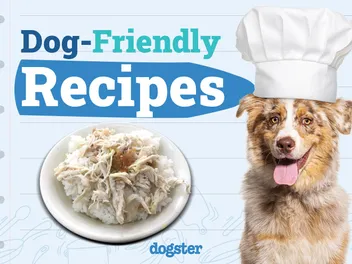
Plain cooked rice is one of the most digestible foods a dog can eat, which is why it turns up so often in vet advice for dogs recovering from gastrointestinal upset. It is low in fiber, easy on the stomach, and already common in many commercial dog food formulas, both budget-friendly and premium.

Fish
Fish is high in protein, antioxidants, and omega fatty acids that support growth and may help reduce inflammation. Small portions of plain, cooked fish make an excellent supplement throughout the week. Raw or undercooked fish carries a risk of parasites and bacteria, so it is important to cook it properly. Nothing deep-fried, crumbed, or smoked – plain poached or properly steamed is the best way to go. Whilst concerns have been raised about the risk of mercury levels in fish, when fed in small amounts as part of a balanced diet, this risk is quite negligible. To be on the safe side, avoid feeding lots of deep-sea fish (eg. tuna), particularly to small dogs.
Blueberries
Blueberries are packed with vitamins, minerals, and antioxidants that support general health and may help the body fight off cellular damage over time. They can be offered whole, mixed into food, or mashed into a paste and stirred into wet food. Blueberries are high in sugar, so it’s important to keep them as an occasional snack, and be sure to cut them in halves for small and medium-sized dogs to minimize the choking risk.
Pumpkin
Some veterinarians describe pumpkin as a canine superfood, and the label is not undeserved. It is high in fiber and micronutrients, and is widely recommended for soothing digestive issues. Dogs can eat pumpkin raw or cooked, and it can be mixed into meals or offered as a standalone treat. Fresh is best, but plain, unsweetened pumpkin puree from a can makes a tasty topper.
Chicken
Plain cooked chicken is one of the most common ingredients in commercial dog food, and with good reason. It is an accessible and affordable source of lean protein that most dogs love to eat and tolerate well. When preparing it at home, it’s important to keep it basic and boring – no herbs, spices, or seasoning of any kind. Boiled chicken is the safest and simplest approach.

Human Foods That Dogs Should NEVER Eat
Many of the foods we eat are not suitable for dogs because they may cause stomach upsets or are too high in sugar, salt, or fat. However, there are certain foods that humans consume regularly that are dangerous, even deadly, for dogs.
Xylitol is an artificial sweetener found in a number of items, such as sugar-free candy & gum, sugar-free or diabetic baked goods, nut butters, sugar-free or ‘skinny’ desserts, jams, jellies, syrups, toothpaste, cough syrup, chewable vitamins, and dietary supplements. It is EXTREMELY TOXIC to dogs, and any ingestion or suspected ingestion should be treated as a matter of urgency – do not wait for clinical signs to appear.
Macadamia nuts are toxic to dogs and can cause vomiting, weakness, and neurological symptoms.
Grapes and raisins carry serious risk, linked to acute or delayed kidney failure, even in small amounts.
Chocolate contains theobromine and caffeine, both of which can have serious cardiac consequences.
Onions of all varieties can lead to anemia by causing the destruction of red blood cells.
Restaurant and fast food is best avoided. The combination of garlic, onion, excess salt, fat, and preservatives found in most takeaway and processed foods creates a range of risks, including pancreatitis or toxicity, particularly if the exact ingredients are not known.
A note on moderation
Even foods that are safe for dogs should only be offered as occasional additions rather than staples. The goal is a balanced diet with well-chosen extras, not a parallel human menu running alongside the regular one. When in doubt about a specific food, a quick call to a vet is always the most reliable route.
Featured Image Credit: invisible invisible, Shutterstock
Did You Know?
- Our brand-new posts are rounded up and included in our weekly emails. Don't miss out on the latest - sign up for our newsletter below!
Expert dog care, straight to your inbox
News, insights, expert advice, and everything dog.

No spam — unsubscribe anytime.
By signing up, you agree to our Terms & Conditions and Privacy & Cookies Policy.
How useful was this post?
Click a star to rate. You can leave written feedback afterwards. (We read all feedback.)
Dan has been working in the dog world for over 4 years, covering dogs and all other pets, helping pet parents keep their companions happy, healthy, and totally spoiled! Originally from London, Dan now works remotely, which sadly means no pets at home, but plenty of opportunities to fuss over other people's furry friends.