Dogster is reader-supported. When you buy via links on our site, we may earn a commission at no cost to you. Learn more.

Dog Nutrition

What Is Dog Food Made Of? Vet-Reviewed Ingredient Guide

Ashley Bates
By Ashley Bates · Reviewed & fact-checked by Dr. Tabitha HensonVet Approved
Dr. Tabitha Henson
Reviewed & Fact-Checked byDr. Tabitha HensonDVM (Veterinarian)
Dr. Tabitha Henson is a 2021 Midwestern University graduate who practices small and sometimes exotic animal medicine. Her clinical interests include dentistry, internal medicine, and rehabilitation. She will soon be a certified canine rehabilitation practitioner (CCRP). Tabitha also enjoys playing with her Golden Retriever and spending time in nature.View authorThe information is current and up-to-date in accordance with the latest veterinarian research. Learn more
Updated on July 4, 2026
Share
german shepherd dog lying near food bowl

Buying dog food is so commonplace. We do it all the time without a second thought. If your dog is running low on food, you hop online or go to the store and grab the same bag you've been buying.

But have you ever stopped to wonder what they put in it? What goes into your dog's bowl every time you dish out a cup? Let's find out. Dog food is generally made of a mix of protein sources, vegetables, fruits, grains, and fats.

Dogster divider_v1_NEW_MAY_24_

Canine Diet: The Basics

Dogs are omnivorous, meaning they need a variety of plant and animal-based food in their daily diet. No matter what kind of dog food you choose--kibble, wet, raw, fresh, or freeze-dried--they all need a suitable nutritional profile for canines.

Choosing the best diet for your pooch might be difficult at first, but eventually, you'll get it right. Some dogs thrive on any type of food you give them, while others have much more sensitive systems.

With your veterinarian, you can achieve the best diet plan for your dog's breed, age, and lifestyle.

Essentials

You’re welcome to use our images, but we require you link directly to this site for credit (ex. Image from Dogster)

The essentials in pet food is made up like this:

Protein18-40%
Carbohydrates0%-50.0%
Fat5%-25.0%
Fiber0%-6.0%
Moisture0%-12.0%

Each factor plays a vital role in overall balanced health for canines. The AAFCO or Association of American Feed Control Operations regulates pet food distribution, deeming products suitable or unsuitable for the market. Nutritionists worked diligently to figure out the particular dietary requirements and ensure that pet food companies uphold these standards.

Image By: Real Natures Food, Unsplash
Dogster divider_v1_NEW_MAY_24_

The Main Components of Dog Food

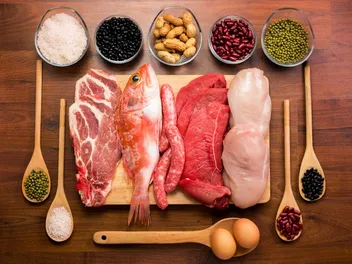
1. Protein Source

A protein source is probably the most critical thing you can look for in a dog food recipe—the base if you will. It should make up most of the ingredients, as your dogs thrive more on animal-based content than anything else.

Common vs. novel protein depends on where you fall on the map. For instance, kangaroo meat is a very prevalent and frequently used protein source in Australia. But in the USA, it would be a novel protein source.

Protein

  • Builds muscles, ligaments, and tendons
  • Improves hair, skin, and nail growth
  • Aids in hormone production
  • Developing new cells

Often, energy-filled dogs require higher levels of protein.

Main Commercial Protein Sources

Main commercial ingredients are built from common meats you would find in your own refrigerator. These meat sources are often cheaper and readily available, reducing the cost of many commercial diets.

While these work very well for most healthy adult dogs, there's always a chance of allergy response to common proteins. However, most pups do just fine with these sources and thrive accordingly.

Common ingredients include:

  • Beef: Beef is an excellent source of protein, zinc, and iron. It helps build muscle, supports immune health, and regulates metabolism.
  • Chicken: Chicken is white meat with amino acids that build lean muscle mass, provide a good energy source, and help skin and fur health.
  • Turkey: Turkey is a type of poultry loaded with riboflavin and phosphorus. It supports a functioning metabolism and creates solid bones and ligaments.
  • Fish: Fish is an excellent source of amino acids and omega fatty acids. It’s found in allergy recipes to promote a healthy coat and skin and decrease bodily inflammation.
  • Pork: Pork, when fully cooked, is an excellent source of amino acids and thiamine. Your dog can’t produce thiamine, or vitamin B1, on their own so it’s an essential part of their diet to regulate the nervous system.
Image Credit: manushot, Shutterstock

Less Common Protein Sources

Some dogs have an allergy or sensitivity to many prevalent protein sources. To combat that, canine nutritionists usually do one of two things: recommend either a novel or a hydrolyzed protein source.

Hydrolyzed protein sources are reduced to minuscule amounts, bypassing the system and creating easy digestion.

Like those we will discuss below, novel proteins are meat sources that have never been introduced to your dog's system. These proteins don’t trigger the system to have an allergic response.

Less common sources include:

  • Venison: Venison is a terrific source of zinc, phosphorus, and iron. It can increase energy and vitality and provide a rich taste for picky eaters.
  • Bison: Bison is rich in vitamin B12 and niacin. It supports brain health and promotes good energy.
  • Alligator: Alligator is a very lean protein source that has low levels of cholesterol. It’s even known to reduce or cure asthma and respiratory issues.
  • Duck: Duck is a more prevalent protein source than some others in this category, super rich in iron and easy to digest.
  • Kangaroo: Kangaroo is the leanest red meat on the market, making it exceptional for weight control and high protein. It can help with constipation and regulate the digestive tract.
  • Rabbit: Rabbit is full of vitamin B12 and low in cholesterol. It contains many healthy fats to keep your dog's joints lubricated and skin vibrant.

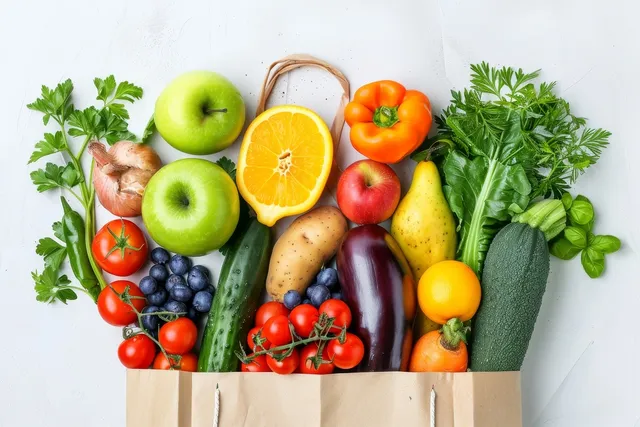
2. Vegetables

Sense dogs or omnivorous creatures, having a medley of vegetables in their daily meal is totally necessary. If you flip a bag of dog food over, you might notice a ton of different vegetables varying from recipe to recipe.

Plant-based materials offer an entirely different set of benefits for your dog. Protein is super important, but so are these common and nutritionally beneficial veggies.

  • Kale: Kale is an incredibly healthy green found in lots of dog food recipes. It offers magnesium, calcium, and potassium for healthy bones and the heart.
  • Beets: You might see beets under beet pulp in dog food. It boosts the digestive system, allowing things to digest smoothly as needed.
  • Celery: Celery has many goodies, like fiber, folate, potassium, manganese, and vitamins. When fresh, it's also a terrific mouth refresher.
  • Peas: While peas are somewhat controversial in the pet food world, they are in many recipes. Peas are a good source of fiber, protein, and lutein for visual support and digestion.
  • Broccoli: Broccoli beats all other veggies with its vitamin K content. It's known for its anti-inflammatory and immunity-boosting properties. 
  • Spinach: Spinach contains necessary vitamins and minerals like vitamins A, B, C, and K. Also, it provides extra fiber and beta-carotene.
  • Carrots: Carrots are filled with antioxidant power. They are extremely good in dog food recipes, promoting optimal eye health.
Image Credit: RossHelen, Shutterstock

3. Fruits

Fruits are essential to your dog's diet. However, they are a lesser part of the recipe because of their high sugar content. Still, they have their place and provide a series of benefits.

  • Blueberries: Blueberries are a very prevalent ingredient in modern dog food. They are packed with antioxidants, folate, potassium, fiber, and low cholesterol.
  • Apples: Apples are a terrific source of vitamin C, vitamin A, and potassium.
  • Bananas: Bananas are chock full of potassium. They aid in many critical bodily functions, including strengthening bones, improving brain health, and boosting immunity
  • Cranberries: Cranberries are packed with antioxidants. They support proper bladder and kidney function, fight bacteria, and prevent cancer.

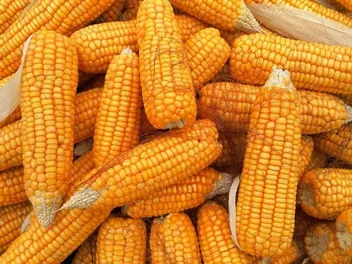
4. Grains

Grains have quite a controversial subject these days. They were the hot thing on the market until studies on dogs' heart health.

And so, unless your dog has a grain-specific allergy, having any of these contents in their dog food is completely harmless and even nutritionally beneficial.

And even if your dog has bad reactions to common grains like corn, wheat, or soy, others are often easily digestible.

  • Corn: Corn might get a bad rep, but it offers some health benefits to dogs. It serves as an easily digestible carbohydrate in the diet, offering protein, fiber, and antioxidants.
  • Wheat: Rarely, dogs can have an allergy to wheat. But it's also a source of fiber and carbs for smooth digestion and energy.
  • Soy: Soy is another common ingredient in dog food that raises some eyebrows. But soy also has tons of plant-based protein and B vitamins.
  • Brown Rice: You might often see brown rice in digestive health dog food recipes. It offers a better digestive experience, amping up the fiber and aiding heart health. 
  • Pearled Barley: Pearled barley is another grain seen in commercial dog foods. It’s packed with amino acids and vitamin E for skin health 
  • Oat Groats: Oat groats are often used as a carbohydrate replacement for gluten-sensitive dogs. Oat groats are easily digestible, providing fiber and balanced carbohydrates.
  • Millet: Millet is an easily digestible grain that’s high in phosphorus and iron. It promotes healthy bones and ample energy
  • Sorghum: Sorghum is a gluten-free grain used in many alternative foods. It has a medley of other perks like niacin, iron, zinc, fiber, and vitamin B2.
Image Credit: Caftor, Shutterstock

Grain Replacements

Some dogs are very sensitive to grains. It’s not as common as thought previously, but it does account for a small percentage of allergies in dogs.

If you find out that your dog has a green allergy, here are some alternatives you are likely to see in their dog food recipes.

If you're going grain-free, they should be under a vet recommendation, as it may require a prescription diet.

  • Sweet Potato: Sweet potato is a superfood and healthy for so many reasons. Packed with vitamins and minerals, it aids healthy eyes, skin, nerves, and muscles.
  • White Potato: White potato is a commonly used grain alternative, but it gets a little heat from nutritionists.  It plays a significant role in carb-dense recipes while providing lots of vitamin C
  • Peas: Even though peas catch a lot of flak in grain-free recipes, they may offer health benefits for dogs. Despite recent studies, their implication in the development of dilated cardiomyopathy remains unclear.  They are rich in fiber, protein, and lutein.

5. Fats/Oils

Fats and oils are a sure-fire part of any dog food diet. They require these components to make sure the musculoskeletal system is working appropriately.

  • Omega Fatty Acids: Omega fatty acids target skin, nail growth, and texture. They also lubricate the joints providing optimal mobility.
  • Amino Acids: Amino acids provide an energy source for your dog. Dogs need 22 amino acids in their system to stay healthy.
  • Taurine: Taurine is an absolutely essential amino acid—arguably the most important. If dogs are deficient, it can lead to some pretty serious heart issues.
  • Moisture Content: Even kibble that's dry as a bone has some water content.
  • Water: Water is probably the first thing you think of when you hear moisture. It is a completely essential part of your dog's diet—they’re made up of 80% water!
  • Broth: Broth is a wonderful form of hydration, chondroitin, hyaluronic acid, glucosamine, and collagen.
Image by: Kristesoro, Shutterstock
Dogster divider_v1_NEW_MAY_24_

Life Stage Diet

Every life stage requires different nutritional needs. For example, as your puppy is growing, it will need a boost in several other ingredients and supplemental additives.

Adults need something to maintain their bodies throughout their prime years. And on the decline, seniors need certain supplements to preserve mobility and organ function.

Puppy

From the time a puppy is eating solid food, it’s important to supplement them with the proper growth building blocks. It's easy to see a puppy chow across a bag and think it's suitable for your dog.

But there’s more to it than that. Your puppy needs certain ingredients to aid in development.

  • DHA: DHA is a very common and absolutely necessary additive to puppy food. It is one of the key elements in brain development.
  • High Protein: High protein Is another common additive in puppy chow because young juvenile dogs need the extra kick of protein to keep up with their developing muscles, ligaments, tendons, etc.
Image Credit: jagdprinzessin, Pixabay

Adult

Adult recipes are aimed to provide maintenance. That means you need to give them the same type of nutrition every day to keep up with general health.

It might take some adjusting, as most allergies don't come out right away. You also might need to change your diet as adults because of other factors.

Senior

Senior recipes aim to keep their bodies going for as long as possible. At this point, they will need a few additional ingredients for some more support during a natural decline.

You might find that your senior stops tolerating some ingredients over time as well. You might have to change the diet to suit their likes and dislikes.

There’s a high chance they could become picky eaters. If your dog suffers from any dental issues, you might want to choose a softer selection that is easier to chew.

  • Glucosamine: Glucosamine is a natural compound responsible for cushioning joints. As seniors decline, they benefit from extra dietary support.
  • Chondroitin: Chondroitin is a natural compound found in cartilage that decreases the joints' destruction.
  • Determine proper dog food portions and ideal daily intake with our helpful calorie calculator here.
Dogster divider_v1_NEW_MAY_24_

Choosing a Diet for Your Dog

You can get just about any type of dog food you can imagine within their dietary restrictions when it comes to recipes. There are all sorts of different tastes, textures, and ingredient-specific recipes.

Some of them will be recommended by your veterinarian, while most healthy adults can just eat commercial food without issue. Here are a few things to expect when you see different recipes.

Texture

  • Fresh: You can buy fresh dog food commercially or make your own at home. Fresh dog food is more natural for your dog, giving them a flavorful and nutrient-friendly eating experience. However, it does spoil faster, and you can't leave it sitting out in a bowl like you can with kibble. Fresh food is becoming much more common in the pet food industry, so many more options are likely to be available later.
  • Raw: Raw dog food is exactly what it sounds like. All ingredients are uncooked to provide the most significant nutritional benefit. Raw diets might be more about getting back to your canine's wild roots, but it does have its downfalls. If not properly stored, Raw food can carry lots of bacteria that can make your dog pretty sick. It can also pose risks for inadequate nutrition and serious gastrointestinal issues. Raw diets are not recommended by most vets.
  • Freeze-dried Raw: Rather than having uncooked slabs of meat in front of your dog, freeze-dried raw diets have then dehydrated before being cooked. So, you can still provide your dog with a nutrient-rich raw diet without the risk of spoiling quickly.
  • Kibble: Dry kibble is hands down the most popular kind of dog food you'll see in pet shops. It has a long shelf life as the ingredients have been cooked down into hard form with moisture taken out for last ability.
  • Loaf: Suppose you have a dog with sensitive teeth or a picky palate. You can try a loaf. Loaf is very similar to wet dog food, but it has been processed together to create a mushy but textured meal.
  • Wet: Wet dog food was some of the first-ever invented. Dogs are sure to love the savory flavors that wet food offers, but it requires slightly more preservation, leading to irritation and sensitive dogs.
Image Credit: Nadezhda Zaitceva, Shutterstock

Recipe

  • Daily Health: Daily health recipes are good for everyday adult maintenance. They have all of the nutrition to keep your adult dog healthy, strong, and feeling their best. These recipes won't work for all dietary restrictions or sensitivities.
  • Sensitive Stomach: Sensitive stomach recipes use less harsh ingredients that are easier to digest. Dogs with sensitive stomachs often have trouble digesting their food, so you might notice an increase in prebiotics and probiotics to aid in gut health.
  • Limited Ingredient: Limited ingredient diets are for those dogs with food sensitivities. Offering dog food with as few ingredients as possible eliminates the risks of potential digestive upset and irritation.
  • Grain-Free: While grain allergies are uncommon in canines, it is possible. If your dog has been diagnosed with a grain allergy, grain-free recipes aim to give your dog a satisfying meal without using any gluten.
  • Hydrolyzed: Hydrolyzed diets are those where the main animal-based protein source has been reduced significantly. Breaking it up into microscopic bits, it allows the protein source to travel through your dog's digestive system without causing any upset.
  • Novel: Novel proteins haven't been introduced to your dog's system. The protein source differs depending on your geographical location most of the time. Using novel proteins aims to eliminate irritation due to protein allergies.
  • High Protein: High protein diets are usually aimed at puppies and very high-energy dogs that exert a lot of physical energy.
  • Weight Management: Obesity is a common problem, especially in older dogs. Monitoring is essential. Just as it sounds, weight management recipes aim to cut your dog's calories reducing overall bodily size.
Dogster divider_v1_NEW_MAY_24_

Conclusion

There are quite a few ingredients to mention and tons of combinations therein, as you can see. Pet food companies get more creative by the day, offering just about any dietary texture, flavor, and nutrient mashup.

Ultimately, the dog food you give to your pooch depends on their age, lifestyle, health, and sensitivities. You and your vet can tailor a diet plan that works best for your pup.

Sources

Featured Image Credit: Snezhana_G, Shutterstock

The Dogster Newsletter

Expert dog care, straight to your inbox

News, insights, expert advice, and everything dog.

No spam — unsubscribe anytime.

By signing up, you agree to our Terms & Conditions and Privacy & Cookies Policy.

Click a star to rate. You can leave written feedback afterwards. (We read all feedback.)

Ashley Bates
Authored by

Ashley Bates

Should Dogs Eat the Rainbow? Vet-Reviewed Eating Tips for Canines

Should Dogs Eat the Rainbow? Vet-Reviewed Eating Tips for Canines

Dogs are often considered to be carnivores that require a meat-heavy diet. Still, there are some similarities between a dog’s diet and a human’s diet. However,…

Jessica Kim
By Jessica Kim · 2 weeks ago
What Ingredients to Avoid in Dog Food: 6 Vet-Verified Additives to Keep Away

What Ingredients to Avoid in Dog Food: 6 Vet-Verified Additives to Keep Away

Pet owners are putting more effort into their pets, including choosing high-quality pet foods to help them live long and happy lives. With many dog foods on th…

Nicole Cosgrove
By Nicole Cosgrove · 1 week ago
Can You Judge Dog Food Solely by Its First Ingredient? Facts & FAQ

Can You Judge Dog Food Solely by Its First Ingredient? Facts & FAQ

Judging dog food can be overwhelming. There is a lot that you need to keep in mind when checking out dog food. You may be tempted to shorten the process by onl…

Kristin Hitchcock
By Kristin Hitchcock · 1 week ago
How to Choose a Dog Food: 5 Vet-Approved Tips & Advice

How to Choose a Dog Food: 5 Vet-Approved Tips & Advice

As crucial as it is for your pet’s health, picking the best dog food is rarely easy. Several exceptional products are available, but wading through the complic…

Nicole Cosgrove
By Nicole Cosgrove · 2 weeks ago

Protein in a Dog’s Diet: Vet-Reviewed Complete & Incomplete Proteins Guide

There are so many dog foods on the market today that it can be overwhelming to select one. You want your furry friend to be healthy and to have a balanced diet…

Nicole Cosgrove
By Nicole Cosgrove · June 29, 2026
Protein in a Dog’s Diet: Vet-Reviewed Complete & Incomplete Proteins Guide

Is There Horse Meat in Dog Food? Separating Truth From Fiction

There is a great deal of information floating around about dog food and its ingredients, and it can certainly be difficult to tell facts from fiction. For exam…

Lindsey Lawson
By Lindsey Lawson · June 16, 2026
Is There Horse Meat in Dog Food? Separating Truth From Fiction

Dog Nutrition: 6 Vet-Approved Essential Nutrients They Need

Nutrition and a healthy diet play a significant role in a dog’s health and well-being. Dog owners must stay on top of their dogs’ nutritional intake and ensure…

Jessica Kim
By Jessica Kim · June 16, 2026
Dog Nutrition: 6 Vet-Approved Essential Nutrients They Need

Is Corn in Dog Food Bad? Vet Approved Ingredient Guide

Corn is a controversial ingredient that is used in a lot of commercial dog foods. It is very much a normal dog food ingredient in grain-inclusive diets and has…

Lindsey Lawson
By Lindsey Lawson · June 17, 2026
Is Corn in Dog Food Bad? Vet Approved Ingredient Guide

What Are By-Products in Dog Food? Vet-Reviewed Facts & Info

I spend more time and consideration making sure the pet food I choose is good quality than I do my food. I check protein, fiber, and other nutrient ratios whil…

Matt Jackson
By Matt Jackson · June 29, 2026
What Are By-Products in Dog Food? Vet-Reviewed Facts & Info

Grain vs. Grain-Free Dog Food: Which One’s Better? Vet-Verified Facts & FAQ

The grain versus grain-free debate is a controversial and heated topic in the dog world, especially when it comes to specialty dog food. Many dog owners only b…

Oliver Jones
By Oliver Jones · July 2, 2026
Grain vs. Grain-Free Dog Food: Which One’s Better? Vet-Verified Facts & FAQ

6 Great Sources of Carbohydrates for Dogs: Vet-Verified Nutrition Facts

When it comes to dog nutrition, carbohydrates are a tricky subject. While canines can get energy from protein and fat, many dog food brands contain one or mult…

Jaimie Wisniowski
By Jaimie Wisniowski · June 29, 2026
6 Great Sources of Carbohydrates for Dogs: Vet-Verified Nutrition Facts

What Meat Is Best for Dogs? Top Types Explained

If you’ve spent time looking at dog foods in the pet store recently, then you know just how many protein options there are on the market these days. It can be…

Brooke Billingsley
By Brooke Billingsley · June 17, 2026
What Meat Is Best for Dogs? Top Types Explained

Love Dogs? So Do We! Join the Dogster Community

Stay informed with expert pet care insights delivered straight to your inbox! Discover professional guidance on animal behavior, feeding tips, trusted product picks, and much more.

You may opt-out at any time. View our Privacy Policy for more information.

The Dogster app on a phone