7 Golden Rules for Feeding Your Dog: Vet-Verified Advice & Info


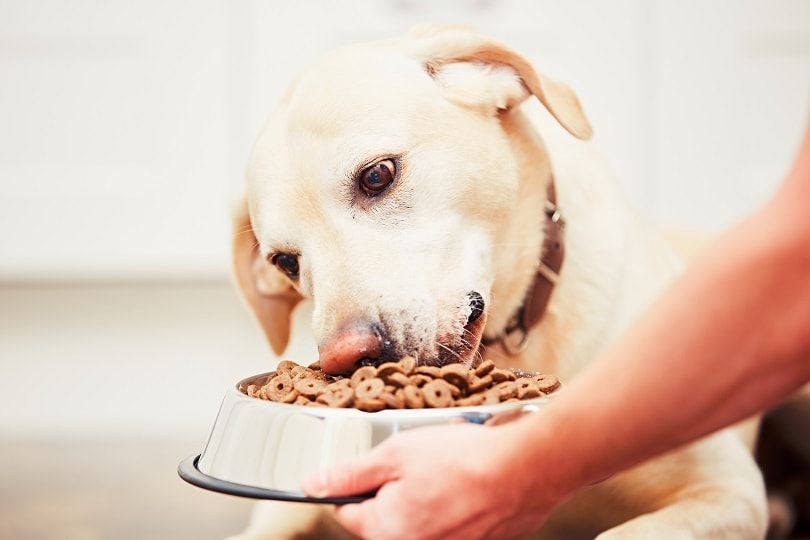
As a dog owner, you know the key to your pup’s good health is proper nutrition. Navigating the different types of dog food out there can be confusing. You want to make sure they are getting what they need, but you don’t want to overfeed your dog because you know it can lead to long-term health problems.
While you should always consult a veterinarian about the best food choices to maximize your dog’s health, we have put together some simple guidelines to help you better understand the factors involved in canine nutrition. Keep reading to learn more!

The 7 Golden Rules for Feeding Your Dog
1. Feed them good quality, complete, and balanced food.

The most important thing you can do to ensure your dog is eating a healthy diet is to feed them high-quality food. This can be tricky because there are many dog foods out there that claim to be made from high-quality ingredients. Also, your dog’s specific health conditions may impact the nutrient balance they need. For a dog that is healthy with no known conditions, there are a few things you should look for in a quality dog food.
First, the main ingredient in the food should be some type of protein, such as chicken, beef, lamb. There still exists some debate over whether dogs should be classified as omnivores or facultative carnivores, the difference being whether or not the protein they consume needs to be animal based. Animal proteins are considered complete proteins because they provide all the essential amino acids dogs need in the right proportions. However, some plant-derived proteins have also been proven to meet all the nutritional needs of domesticated canines(1).
Grain-heavy foods are usually too high in carbohydrates. Carbohydrates in excess can be converted into fat and stored in the body, which may lead to weight gain. Protein provides essential amino acids that dogs need to maintain and repair muscles, produce hormones, enzymes, and support immune function. While amino acids are not stored in the body like fat or carbohydrates, any excess is broken down by the liver; the nitrogen is excreted in urine, and the remaining energy can be used or stored as fat.
Next, the protein, fat, carbohydrate, vitamin, and mineral content should be properly balanced. In general, protein should make up at least 18% and up to 30% of the nutrient content. Fat should be at least 5.5 % and can go up to 20%, especially for active or working dogs. These ranges vary based on life stage, activity level, and health status, which is why it’s wise to involve your veterinarian when choosing the right food for your dog. The food should also contain appropriate levels of omega-3 fatty acids, essential vitamins, and fiber to support overall health. Finally, high-quality dog food typically avoids artificial colorings or dyes, which offer no nutritional value.
2. Keep a regular feeding schedule.
Your dog should be kept on a regular feeding schedule. Many dog owners opt to feed their dogs twice each day. This works well because it prevents your dog from getting too hungry and overeating at mealtimes.
A regular feeding schedule can include room for treats, but be careful not to give your dogs too many treats. You should also limit table scraps. Sticking to a schedule and limiting treats will make it easier for you to monitor how much your dog is eating.
3. Feed the right amount for your dog’s size.
This may seem obvious, but it is important to keep in mind that all dogs are not the same. A Rottweiler needs to eat more each day than a Pomeranian. The right amount of food to give your dog can range from just ½ cup for toy dogs to 4 cups for dogs over 100 pounds. This is just a general guideline and you should consider other factors, such as activity level and age.
4. Feed the right amount for your dog’s activity level.
Some dogs are busy bees who need to be moving all day. Others are content with a short walk and naps on the couch. If your dog is the type who loves exercise, they are going to need to eat more than a sedentary dog of the same size.
As a dog owner, you should always monitor your pet’s behavior and be aware of any changes. If your dog seems ravenous at mealtimes and is constantly begging, they may not be getting enough food. If your normally active pup is suddenly lethargic, there is likely an underlying health issue. If your dog is putting on weight, you may be overfeeding it or not providing enough opportunities for exercise. By paying attention to these changes in your dog, you can make sure you are adjusting their food levels properly with the guidance of a veterinarian.
Complement this information by using our dog calculator tool here:
Dog Calorie Calculator
Recommended Daily Calories

The exact amount of calories an individual animal needs to maintain a healthy weight is variable and influenced by many factors including genetics, age, breed, and activity level. This tool is meant to be used only as a guideline for healthy individuals and does not substitute veterinary advice
5. Feed the right food for your dog’s stage of life.
Your dog’s stage of life will play a critical role in feeding your dog. There are specially formulated foods for different age levels. The nutritional balance and amount of food your dog needs will change throughout its lifetime.
Puppies need to eat food formulated for growth. It is recommended that a growth formula food is fed to puppies until they reach about 90 percent of their full size. The age at which this occurs can vary from 12 to 18 months depending on the size and breed of the dog.
After that, your dog should be fed adult formula dog food. There are also senior formulas for older dogs. The right one of these foods is dependent on the factors mentioned above as well as your dog’s health status and specific needs which is why you should follow your veterinarian’s recommendation.
6. Feed them food they will eat.
Just like people can be picky eaters, so can dogs. Some dogs will scarf down anything with no problem. Others will only eat certain foods or types of food. If you notice your dog loves food with chicken as the lead ingredient but turns their nose up at a beef-based food, then feed them the food they prefer.
As long as there aren’t health conditions to consider, both wet and dry food can be nutritious choices. Some dogs like both, so you can feed them wet food in the morning and dry food at night, or whatever combination works for you and your dog.
7. Always check with your veterinarian if you notice any changes.

There are many diet-related issues you may encounter with your dog. If your dog usually has a healthy appetite and suddenly loses interest in food, it could be a sign of illness or infection. The same is true if your dog suddenly seems hungry all the time. Excessive scratching, hair loss, or other physical signs can be a signal that something in your dog’s food is causing a reaction. Gastrointestinal issues such as vomiting, diarrhea, or excessive gas, also require dietary investigation. You should pay attention to any of these behavior changes and always consult your veterinarian if you notice anything that seems amiss.
Conclusion
Nutrition plays a critical role in your dog’s health and happiness. These golden rules are meant to help you understand the factors that go into the proper care and feeding of your dog. There is no substitute for speaking with a veterinarian. However, understanding these guidelines can help you ask the right questions when you meet with a vet so you know how best to feed your dog.
See also:
Featured Image Credit: Jaromir Chalabala, Shutterstock
Expert dog care, straight to your inbox
News, insights, expert advice, and everything dog.

No spam — unsubscribe anytime.
By signing up, you agree to our Terms & Conditions and Privacy & Cookies Policy.
How useful was this post?
Click a star to rate. You can leave written feedback afterwards. (We read all feedback.)
Nicole has loved animals of all sizes her whole life so it's no wonder she has dedicated her career to helping them through what she loves best: learning, writing, and sharing knowledge with others. She’s the proud mom of two dogs, a cat, and a human. With a degree in Education and 15+ years of writing experience, Nicole wants to help pet parents and pets around the planet to live happy, safe, and healthy lives.