Do Dogs Need Vegetables to Be Healthy? Our Vet Explains

In this article
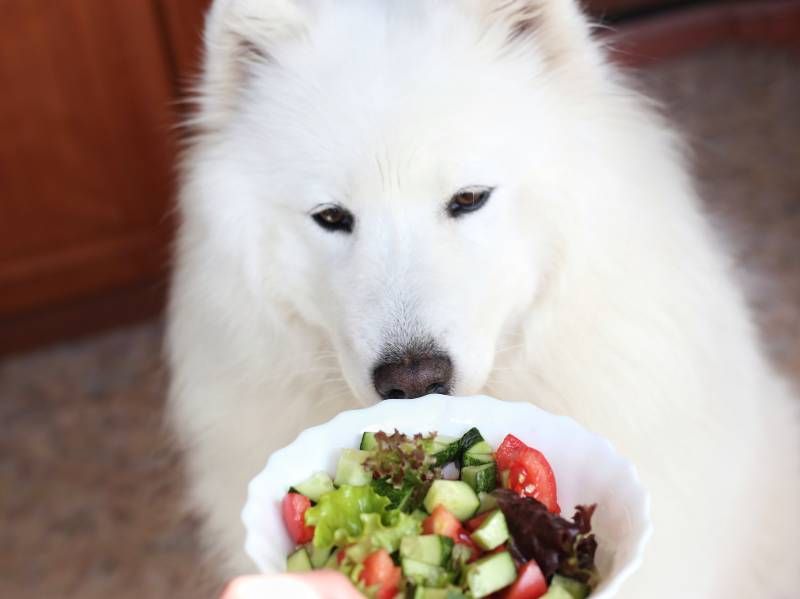
We know that vegetables are a healthy part of the human diet, but can the same be said for a dog’s diet? Yes, in moderation, vegetables can be great additions to a dog’s meals, as they are low-calorie foods that contain many important antioxidants, vitamins, minerals, and fiber. But do dogs actually need vegetables? Not necessarily. For dogs on a nutritionally complete and balanced diet, vegetables should only be given as treats and calculated into their total daily caloric intake. If your dog is on a prescription diet, they should not be fed vegetables or other foods without you consulting a veterinarian first.

What Do Dogs Normally Eat?
Dogs are omnivores, meaning they eat meat and plants. Wolves, the closest ancestors of domestic dogs, and coyotes, other close relatives, are opportunistic predators and scavengers. The internal organs and partially digested vegetable matter of herbivores is a normal part of a wolf’s diet.1 They will eat feces from herbivores such as rabbits, deer, and horses. Coyotes and wolves also consume plants in the wild, especially fruits.
Like wolves and coyotes, dogs are opportunistic eaters. As they became domesticated and lived alongside humans, they developed specific characteristics that enabled them to eat and digest a varied diet. Their large molar teeth are designed to crush food, including plant material. Their gastrointestinal system is characteristic of an omnivorous species, with the capacity to process foods ranging from poorly digestible plant matter to highly digestible animal tissue. They can also digest starch with help from their pancreatic secretions and digestive enzymes.


Do Dogs Need to Be Fed Vegetables?
Dogs fed a commercial diet that is nutritionally balanced and complete for their particular life stage do not need vegetables to be healthy. In the United States, most commercial dog food brands follow the nutritional standards set forth by the Association of American Feed Control Officials. These foods meet or exceed the nutrient requirements for dogs set by the agency, which regulates ingredient safety and adequacy of nutrients. For this reason, vegetables are not necessary, as the commercial diet likely provides all the required nutrients. If you feed your dog a homemade diet, you are strongly encouraged to consult with a board-certified veterinary nutritionist to ensure that your dog has a complete and balanced diet.
Which Vegetables Can My Dog Eat?
All vegetables should be washed and rinsed thoroughly to minimize bacterial and pesticide contamination before being fed to your dog. Remove stems, leaves, and all seeds and pits. Vegetables should be cut into smaller pieces to prevent hazards such as choking and gastrointestinal blockage. Cooking increases the digestibility of starch without losing the benefits of fiber, but long cooking times may increase the loss of vitamins. Do not add any seasonings, butter, or oils, and don’t cook vegetables with other ingredients that may be harmful to dogs, such as onions, garlic, fatty meats, etc. Canned vegetables should be avoided because they are often high in sodium. A crucial aspect of feeding vegetables to your dog is increasing fiber in their diet. Fiber adds increased bulk and water to intestinal contents, which can soften hard stools and increase the frequency of defecation. Additionally, though, your dog may have more flatulence, especially after eating vegetables such as bok choy, broccoli, cabbage, and cauliflower. Cooking these vegetables increases digestibility, making them gentler on your dog’s digestive system. Vegetables are low in calories and fat and can be great treats for dogs on a weight-loss management plan. Despite their health benefits, however, vegetables still need to be accounted for and should be no greater than 10% of your dog’s daily caloric intake.
Cooked and raw vegetables that can be fed in moderation to healthy dogs include:
*Cooking is recommended for easier digestibility.

Which Vegetables Should My Dog Avoid?
Certain vegetables are toxic to dogs and should be avoided. Vegetables in the Allium plant family, including garlic, onions, chives, leeks, and shallots, can rupture red blood cells, leading to anemia when consumed in toxic doses. Signs of anemia in dogs include pale gums, lethargy, elevated heart and respiratory rates, weakness, and collapse. These vegetables can also upset dogs’ gastrointestinal systems, causing nausea, drooling, vomiting, and diarrhea. Beets and spinach are not toxic but should be offered sparingly because these vegetables contain large amounts of calcium oxalate, which can cause kidney and bladder stones or aggravate the condition if consumed in sufficient quantities.
Vegetables for dogs to avoid include:
Vegetables to be fed with caution due to high calcium oxalate levels:

Tips for Keeping Your Pet Healthy & Safe
- Wash all vegetables before offering them to your dog.
- Remove all seeds and pits.
- Cut vegetables into small pieces to prevent choking or GI obstruction.
- Cooking vegetables may increase digestibility, making it easier on your dog’s digestive system.
- Feed vegetables in moderation, no more than 10% of your dog’s daily caloric intake.
- Be aware of vegetables that can be toxic to your dog, including garlic, onions, and chives.
- Always consult with a veterinarian before adding any new foods to your dog’s diet.
Summing Up
In moderation, vegetables can be healthy additions to your dog’s meals but are not needed if your dog is on a nutritionally complete and balanced diet. Vegetables can be offered raw or cooked, though some vegetables may be easier on your dog’s digestive system if they are cooked beforehand. Not all vegetables are safe for dogs, however, and can lead to toxicity if fed in sufficient quantities. Vegetables should make up no more than 10% of your dog’s total daily caloric intake.
See also:
Featured Image Credit: Olga Anikina, Shutterstock
Expert dog care, straight to your inbox
News, insights, expert advice, and everything dog.

No spam — unsubscribe anytime.
By signing up, you agree to our Terms & Conditions and Privacy & Cookies Policy.
How useful was this post?
Click a star to rate. You can leave written feedback afterwards. (We read all feedback.)
Dr. Stacie Grannum DVM (Veterinarian)
Dr. Stacie Grannum was born and raised in Arizona, USA. When she was a little girl, an encounter with a little animal changed her life forever. A tiny bird fell high from its nest, and Stacie diligently cared for it. Sadly, despite her best attempts to save it, the baby bird did not survive. From this devastating loss came a new ambition, carving the path that Dr. Grannum followed. She knew that she wanted to pursue a career in veterinary medicine. She worked hard toward that goal and dedicated her time to pursuing the field.
Today, her focus is on pet health, particularly wellness and preventive medicine. She also enjoys writing about pet health and is eager to share what she has learned over the year with other animal lovers.
In 2014, Dr. Grannum earned her Doctor of Veterinary Medicine Degree from Colorado State University.