How Much Food Does a Great Dane Need? With Feeding Chart


In this article
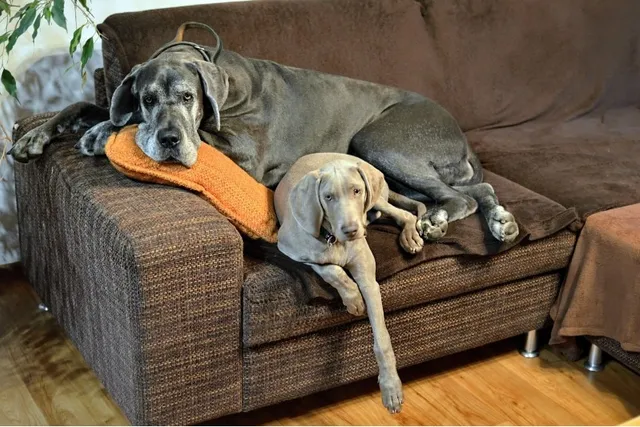
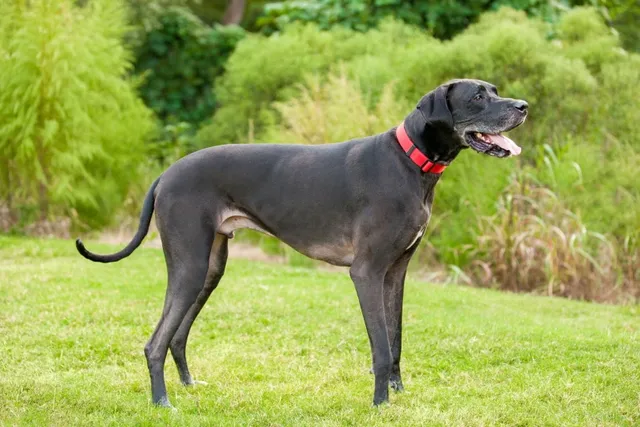
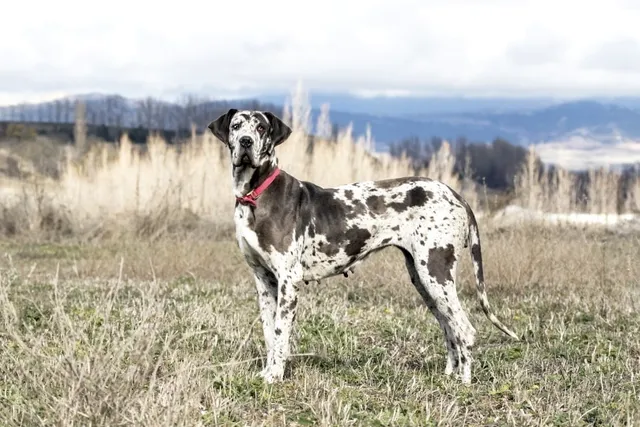
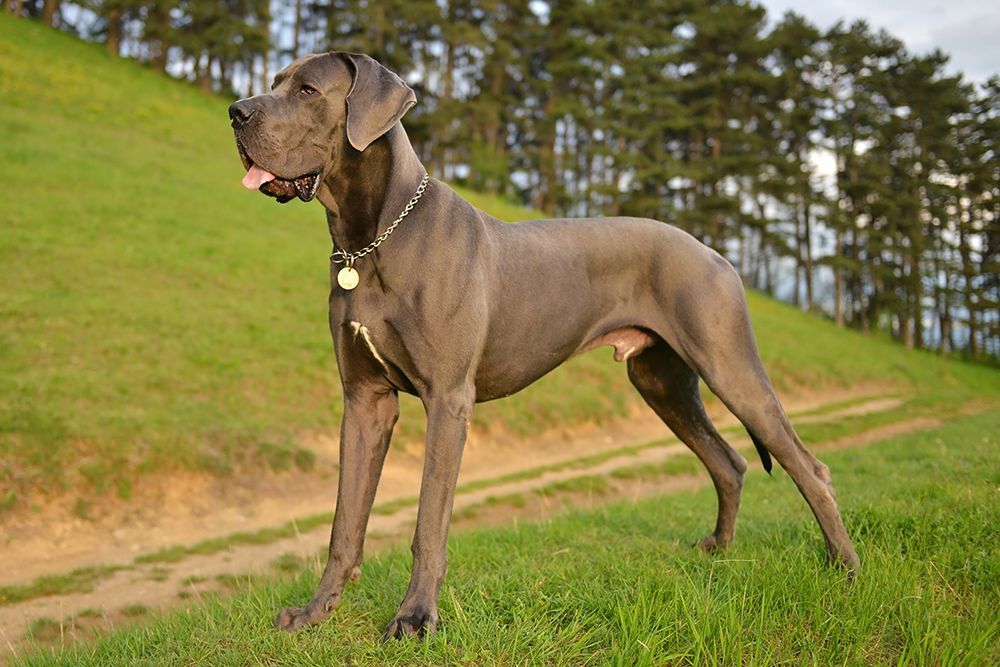
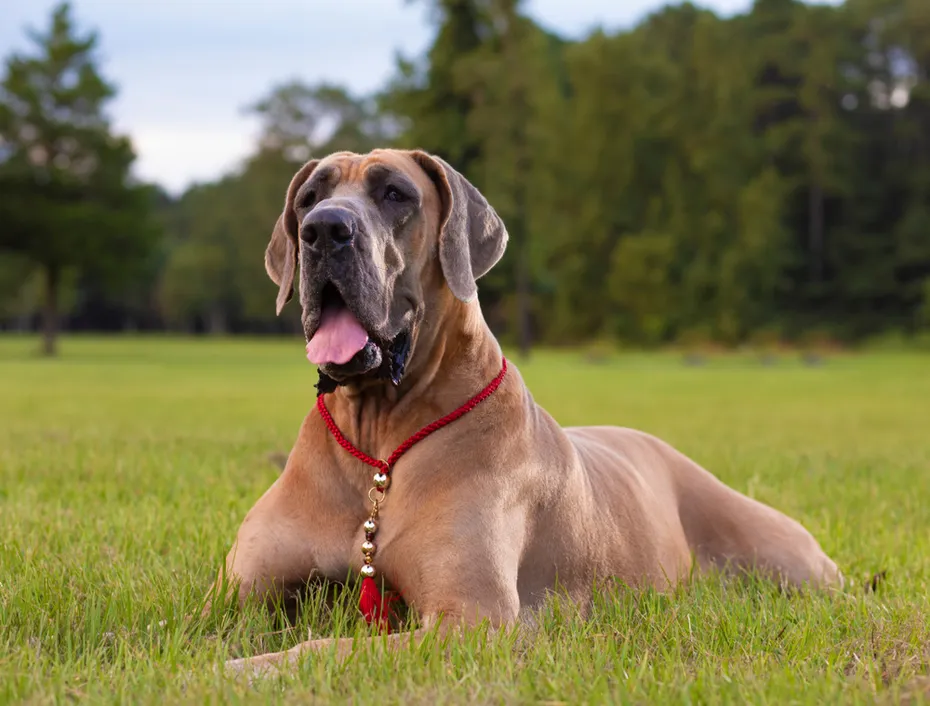
Great Danes are one of the biggest dogs in the world, and it’s no surprise when you meet one face to face. If you decide to add one of these gentle giants to your family, one of the first things you may consider is how much food they need to stay sustained. On average, a 140 pound neutered male adult Great Dane with an ideal body condition score needs approximately 2,500 kilocalories per day to maintain their weight. The amount of food will depend on the type of diet. For example, this translates to 750–800 grams (8–9 cups) of a breed-specific dry food that provides 415 kilocalories per 100 grams of food.1
They are big dogs that grow rapidly and are prone to joint conditions. It is also important that they are not overfed or underfed. In this article, we’ll discuss how much food a Great Dane needs, what you should give them, how to avoid overfeeding and underfeeding, and how to feed them safely for optimal nutrition. We've also included our Great Dane feeding chart for an easy reference guide.

How Much Does a Great Dane Eat Per Day?
An average Great Dane, as described above will eat approximately 8–9 cups of dog food with the mentioned characteristics per day. The feeding recommendations, according to your dog’s weight, are provided on the dog food package. Naturally, the amount will change depending on your dog’s body condition score, activity levels, and age.
Ideally, your Great Dane should be fed two times per day. The amount you feed your dog may change over time due to changes in its metabolism and activity level. The more active your dog is, the more food it can consume, and you will most likely give your dog treats throughout the day in addition to its regular food.
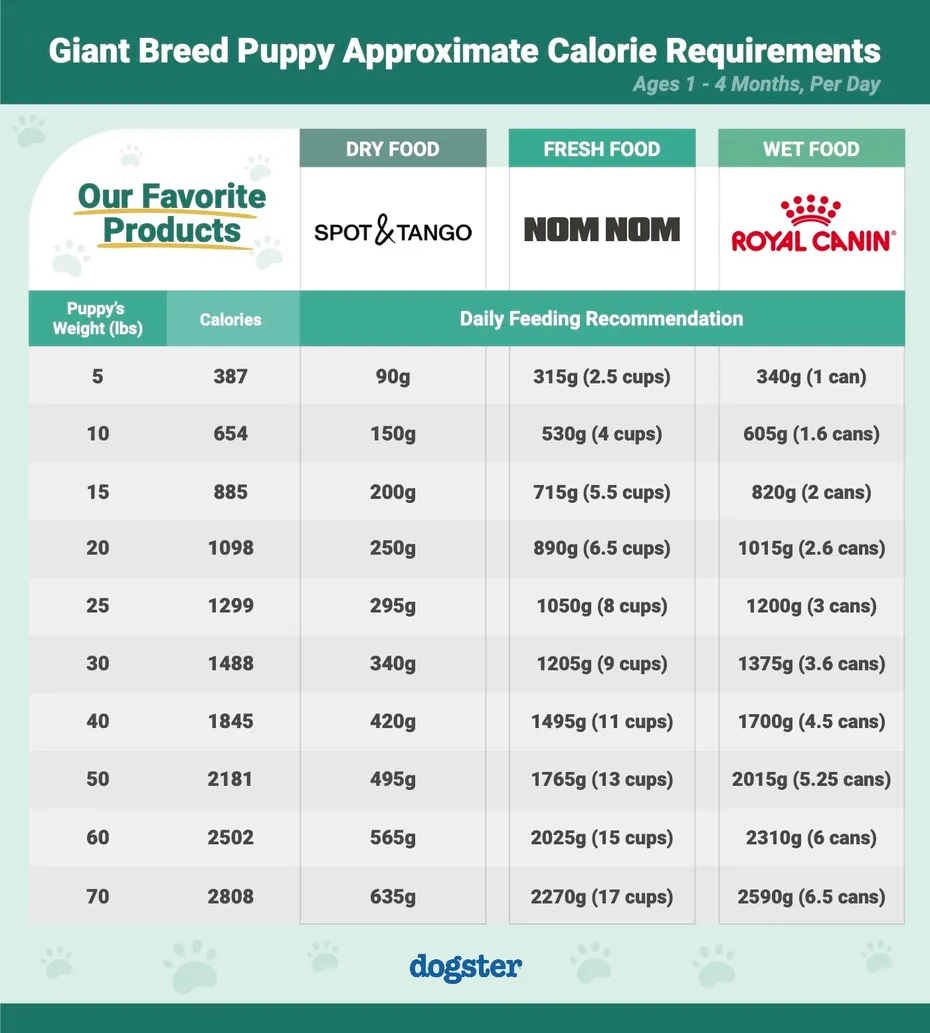
Great Dane Feeding Chart for Puppies
Important Note:Please note that while these tables list the average nutritional requirement of most dog breeds, each dog is unique and you should not feed your dog just based on this chart. We strongly advise consulting a veterinarian to ensure that your Great Dane puppy is getting proper amounts of nutrition.
What Should I Feed My Great Dane?
Great Danes are large breeds that are highly active, so they will need high-quality, large-breed dog food to keep them healthy. The simplest way to ensure your Great Dane is optimally fed and receiving the best nutrition is by providing high-quality, commercial dog food that is vet-recommended. Great Danes eat food for large breed puppies until they reach 18-24 months.
Because Great Danes are large breeds, they may require extra joint support. Many dog foods for large dog breeds are designed with this in mind and contain more EPA and DHA omega-3 fatty acids. Great Danes may also benefit from joint supplements. As your dog gets older, glucosamine and chondroitin can help to support the cartilage. Many owners will start their Great Dane on a quality supplement to slow down the degeneration of their elbows, knees, and hips. Not all supplements are the same, so it's essential to consult a vet before choosing one for your Great Dane.
Underfeeding and Overfeeding
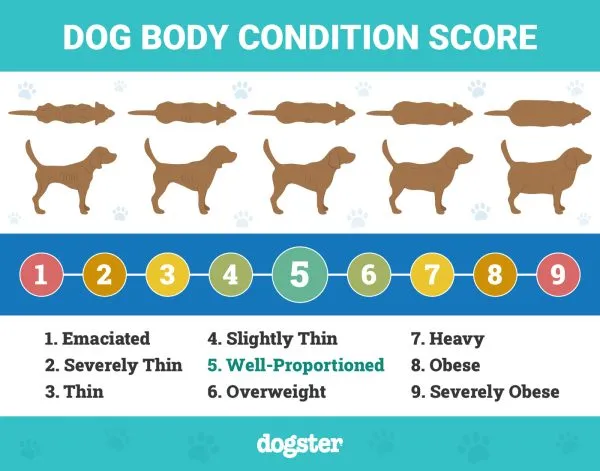
It is vital that you refrain from underfeeding or overfeeding your Great Dane. Your dog may act hungry, but that doesn’t mean it should be fed more. The best way to tell if your Great Dane is getting enough food is to look at their body condition score.
Your dog’s ribs should not be visible except for the outline of their last rib. Dogs that are overweight are more likely to have joint problems. Many degenerative joint diseases in growing large-breed dogs have been linked to overfeeding and inadequate nutrition.
Overfeeding and promoting rapid growth put a puppy Great Dane at risk for osteochondritis or elbow and hip dysplasia. Large-breed puppy diets are designed to reduce this risk by maintaining an appropriate calcium-to-phosphorus ratio. This is why it is important to follow feeding guidelines and recommendations from your veterinarian.
Create a Consistent Feeding Schedule
Creating a feeding schedule can be beneficial for both you and your dog. When your Great Dane is younger, having a routine can assist with potty training because they will usually need to go potty about 20 minutes after eating. This helps you determine when your dog will need to go out and will help your dog learn that potty time is shortly after eating.
As your dog gets older, this feeding schedule can be a constant that provides reassurance and stability when changes happen, such as moving to a new home, additional dogs, new environments, and people.
Furthermore, a feeding schedule is a great way to detect any changes in your dogs’ eating habits, which can indicate a potential health issue.
Giant dog breeds, and the Great Dane in particular, are at risk of developing bloat, and the potentially fatal complication called Gastric Dilatation and Volvulus (GDV), where the stomach fills with gas and fluid and twists on itself. You can reduce your dog’s risk of this condition by:
using a slow-feeder bowl
raising food and water bowls to shoulder height
never feeding your dog 2 hours before or after exercise
giving 2-3 meals per day
soaking dry kibble with water to reduce how much it swells in the stomach
When to Switch to an Age-Appropriate Food
At around 24 months, Great Danes should switch to adult food. While this seems late, it is necessary because this breed continues to grow rapidly for an extended period. When transitioning from puppy food, replace 25% of the puppy food with adult food and gradually increase it every day.
While senior dog food is popular on the market, your dog doesn’t necessarily need it. There are no guidelines for senior dog food because the term senior is not officially recognized. As your dog ages, it is best to keep them on the same adult food you have always fed them following vet’s advice.
It is not unusual for mature dogs to consume less food since they are not as active and do not require the same number of calories. It can also happen that they lose some weight, however, you should contact a vet if you feel your pup is not able to maintain their weight or they experience changes to their overall body condition.
Keeping Your Great Dane Safe
It is crucial to reduce the risk of bloat and GDV when feeding your Great Dane.
Final Thoughts
Great Danes are big dogs that require a lot of food. Generally, an average 140-pound neutered male on an ideal body condition score will need about 8–9 cups of high-quality dry food a day that provides 415 kilocalories per gram of food. Because Great Danes grow rapidly, it is important not to overfeed them, especially when they are young, because if they grow too quickly, they can suffer from joint conditions. Feeding guidelines are usually found on your dog’s food package, but it is always helpful to consult a vet for feeding recommendations.
See also
Sources
Featured Image Credit: belu gheorghe, Shutterstock
Expert dog care, straight to your inbox
News, insights, expert advice, and everything dog.

No spam — unsubscribe anytime.
By signing up, you agree to our Terms & Conditions and Privacy & Cookies Policy.
How useful was this post?
Click a star to rate. You can leave written feedback afterwards. (We read all feedback.)
Nicole has loved animals of all sizes her whole life so it's no wonder she has dedicated her career to helping them through what she loves best: learning, writing, and sharing knowledge with others. She’s the proud mom of two dogs, a cat, and a human. With a degree in Education and 15+ years of writing experience, Nicole wants to help pet parents and pets around the planet to live happy, safe, and healthy lives.