How to Potty Train a Great Dane (10 Tips & Tricks)

Potty training might be one of the most complicated tasks you will experience with your puppy. The process usually takes a while, and you might have setbacks along the way. However, Great Danes are incredibly intelligent dogs that can easily grasp new concepts.
Since Danes are huge, even as puppies, they can make a mess of your home if they are not properly potty trained. So, here is a speedy way for them to learn how to go where they should! This joint effort will set the foundational blocks for your relationship, as it teaches communication, consistency, and positive reinforcement.

How to Potty Train a Great Dane
1. Don’t Start Off with Pee Pads
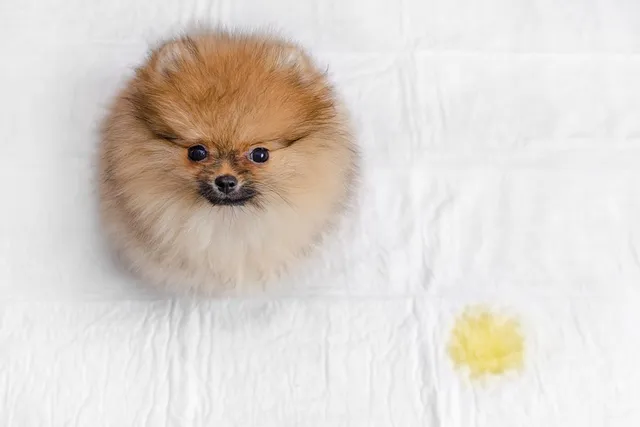
The goal of potty training is to teach your dog to go outside and not on your floor. Pee pads are marketed to puppies, and some dogs can never kick the habit. So, it's important to consider your long-term housetraining goals before starting this type of training with your Dane.
If you get your puppy started on using the bathroom in the house, you'll need to transition them to outdoor elimination later. So, even though it might be convenient for you too (at first), it will eventually become a giant headache.
Some dogs might exclusively use puppy pads throughout their lives (such as Chihuahuas and some Toy breeds). Unlike smaller breeds with tiny bladders, your Dane will produce larger volumes of urine. So, we suggest cutting out the step entirely.

2. Acquaint Them with Home
Bringing your pup home is going to be a big change for everyone. Your Dane is leaving their mother and littermates for the first time and entering a new environment. It’s a significant adjustment and can be stressful, even if they seem to be taking it like a champ.
Your home is filled with new and exciting sights and smells. Your puppy wants to explore everything and may eliminate in different areas as they adjust and while their housetraining skills are still developing. To combat this, it’s best to puppy-proof your home before bringing them home.
Close off unnecessary rooms, use crates, and supervise whenever they are loose. You can also buy useful items, like baby gates and other physical barriers, to separate areas of your home.
3. Use a Kennel or Crate
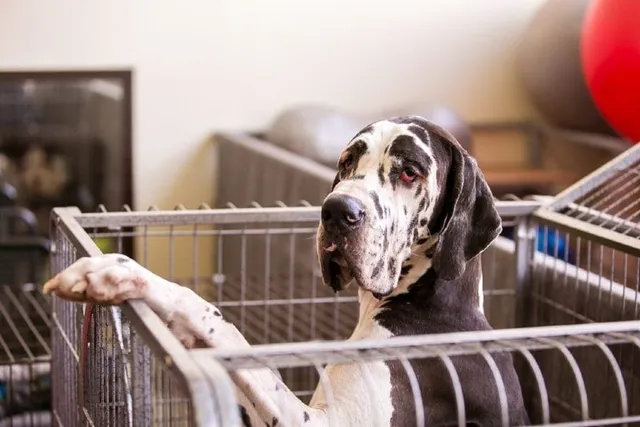
All dogs benefit from having a “den-like” resting area. It's in their nature. Having a place to relax, sleep, or escape is a sanctuary for your dog, and a crate can also be a lifesaver during the potty-training phase.
Your puppy should only have access to the home when you are there to supervise. Crates and kennels can be an excellent way to contain the puppy and provide a predictable, comfortable resting space when you aren’t there.
You should never use a crate as a tactic for punishment. If your pup is punished by being placed in a crate, they will associate the cage with negativity. However, if you use it as a safe place to rest when they are alone, it's a fantastic way to create a comfort zone.

4. Pick a Training Method & Stick to It
Some pet parents use a bell on the door for their pup to ring, letting them know it's time to potty. Others use a timed schedule, signal commands, and praise methods. After you decide how you would like to teach your dog, be consistent every day. So, after reviewing a few methods, decide on one and operate on that routine consistently.
5. Get a Proper Harness, Collar, & Lead
Teaching your dog to walk on a leash is another basic life skill, and you should start as soon as you bring them home. This is especially important if you don't have a fenced-in area. One slip from the attachment and your pup could bolt into dangerous territories.
Measure your dog appropriately before ordering a leash, harness, or collar. Check the sizing chart for each product to ensure it matches your selected size. Each harness will vary slightly, and you won't want to deal with returning the harness if it doesn’t fit.
There are several high-quality harnesses, leashes, and collars on sites like Amazon and Chewy. Choose equipment that fits securely without restricting breathing or normal shoulder movement, and check the fit regularly as your puppy grows. There's one in virtually any color and material.

6. Pick a Potty Spot
It's vital to pick a spot where your dog can automatically associate pottying with the area. For example, if you have a specific corner of your yard or a tree that you visit, you will want your dog to relate the area to the action.
Take your dog to this location during scheduled potty breaks. Soon, it will become a routine. Your dog will know this is where they go, but it's important to keep the area clean and remove the waste.
7. Feed Your Pup at the Same Time Daily
Feeding your pup at the same time every day makes it easier to predict when they will use the bathroom. Once you have a general idea of how long it takes from the time your dog eats to a bowel movement, you can act accordingly.
This is a really good tactic to use when you're teaching bathroom habits, but it's also good to get them into a feeding routine in general. Having a routine helps support predictability and reduce stress, allowing them to know what to expect for the day. They may begin to anticipate meals at consistent times.
Lastly, it helps with digestion. You’re giving your dog a set amount of food between two or three times daily, which supports consistent gastrointestinal motility and stool patterns.
8. Look for Body Language and Signs
You can usually tell your pup is getting ready to do their business when they start sniffing around. It can be very brief, unlike when they’re adults.
Your puppy will display similar behaviors every time they need to go. So, once you learn your puppy's cues, you can get a few steps ahead of them.
9. Use a Consistent Phrase
Some dog owners use various command words for going to the potty. Some say “outside.” Others say, “Go potty"—it doesn't matter which signal you come up with. Please keep it simple, between one and two words, to reduce confusion.
You can repeat the phrase while you’re outside, so they gradually learn to associate the word with the experience.

10. Celebrate with Treats and Praise
Always reward your puppy for a job well done. A dog learns better with acceptance and celebration than with disdain. Your energy will pep them up, and if you know anything about Great Danes, you know how much they often seek social interaction and attention from their owners!
The Importance of Patience & Consistency
Your dog counts on you to navigate through their younger years. You’ll want this experience to strengthen your bond and show them you're capable of taking care of them. Remember that most dogs are motivated by rewards such as food, play, and social interaction.
Even though your dog might be intentionally frustrating occasionally, stay focused and patient. Showing patience and consistency will give your dog a secure foundation, making them turn into mannerly, loyal companions.
Pretty soon, potty training will only be a fragment of the memories you'll share with your dog. Many more rewarding experiences have yet to happen.

Avoid Harsh Punishments
The last thing you want is for your dog's juvenile stages to be riddled with fear and anxiety. These emotions can impact behavior on many levels. If you spank, scream, or aggressively punish your dog, it can increase fear and stress and may damage trust in the relationship. If your dog feels that you are unpredictable or frightening, they might become fearful or avoidant around other people.
This can impact the way that they respond to strangers and other animals. Also, if your pet consistently fears you for punishing them, it can contribute to other poor behaviors such as excessive barking, chewing, and defensive biting.
If you're not feeling upbeat, try not to let it show. Reward your puppy for a job well done, redirect or interrupt unwanted behavior, and guide them toward an appropriate alternative instead of punishing them. Both of these reactions can come from a place of love and understanding.
If you’re having trouble training your dog, professional help is available at every turn. Don’t be afraid to speak to your veterinarian about options or talk to a dog training professional for tips, tricks, or classes.
Summary
Potty training is a relatively simple concept. Even though you can make training complex and get into several methods before finding a niche, most positive, consistent training approaches lead to successful housetraining over time. Eventually, your Great Dane will go to the bathroom like a big boy or girl.
Remember, this is the time to be consistent and kind; just stay on track and make sure to pay attention to your dog's body language. But most of all, have patience in the process.
Featured Image Credit: Victoria Rak, Shutterstock
Expert dog care, straight to your inbox
Vet-reviewed advice, training tips, and the best of Dogster. Free, and you can unsubscribe anytime.
By signing up, you agree to our Terms & Conditions and Privacy & Cookies Policy.
Ashley Bates is a freelance dog writer and pet enthusiast who is currently studying the art of animal therapy. A mother to four human children— and 23 furry and feathery kids, too – Ashley volunteers at local shelters, advocates for animal well-being, and rescues every creature in need. Her mission is to create awareness, education, and entertainment about pets to prevent homelessness. Her specialties are dogs and cats.
Join the conversation
Ask a question, share your story, or send private feedback.