How Much Food to Feed a Lab: Feeding Guide & Nutritional Tips



In this article
Wouldn’t you love to feed your Labrador dog the best, high-quality food in the exact quantities it needs to thrive? Every dog owner wants this more than anything, yet they can never figure it out.
We don’t blame them! Thousands of dog foods exist, promising health and vitality. On top of that, every dog is different, so it’s hard to understand how much food to feed.
How in the world are you supposed to know how much food to feed your Labrador? Do you feed it twice a day? Once a day?
It sounds like you need a comprehensive feeding guide, and we’re here to deliver. Keep reading to learn more about feeding your Labrador dog. We’re covering both adults and puppies!

Labrador Puppy Feeding Guide
Important Note: The amount of calories each dog needs for healthy growth and development depends on many factors, including their age, breed, and activity level. These charts are general guidelines for healthy young dogs, but we recommend confirming any changes you make to your dogs diet with a vet.

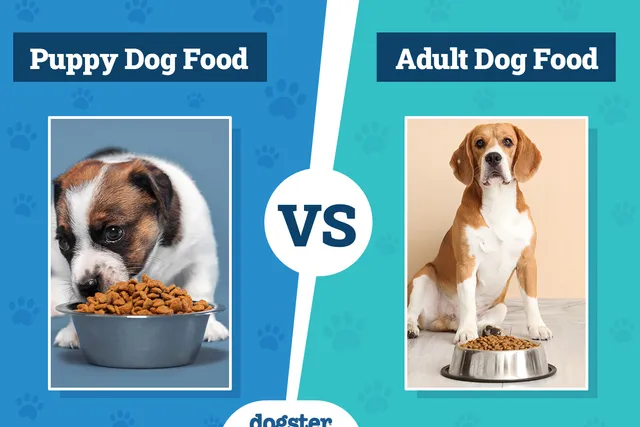
What to Look for in Puppy Food
Let’s first answer the big question of every dog owner: What do you feed your puppy?
We could talk about what to feed your Labrador puppy all day. But to summarize, we’re focusing on these five elements:
- Protein
- Fat
- Calcium
- Probiotics
- Calories
All these are great components of any dog food. Later, we’ll discuss how to include these elements in adult dog food. But we’re focusing specifically on Labrador puppies right now. Let’s take a look at these five elements more in-depth.

Protein
How much protein a dog needs depends on the dog’s age, weight, and activity level. However, puppies need more protein than adult dogs because their bodies are still growing. The great thing about dogs is they benefit from protein sources of meat and plants.
Generally speaking, dogs need at least 18% crude protein on a dry matter basis for proper amino acid nourishment. But puppy food needs at least 22.5% crude protein for additional amino acids. Since these are minimal requirements, commercial dog foods need to meet this standard but sometimes add more protein to their recipes. Ideally, the higher the protein, the better the food for puppies.
It’s best to think about quality over quantity, especially with protein. High-quality protein sources will be easy for your dog to digest. This is much better than having several hard protein sources on your dog’s GI tract.
Good protein sources for dogs include:
- Eggs
- Fish
- Meat
- Poultry
- Venison
- Red meat
- Organ meat
- Chickpeas
- Lentils
- Peas
Cheaper dog foods usually have high-carb ingredients instead of high-quality protein sources in the first five ingredients. Look for real meat at least in the first two ingredients (meat meal is okay) to ensure a higher-quality dog food. Also consider that plant-derived protein, while its presence is ok, shouldn't be listed too soon on the list of ingredients, as it does not provide a dog with everything they need to thrive.
Bonus Tip: Look for DHA (Docosahexaenoic acid) in puppy food. DHA plays a significant role in brain development!
Fat
Fatty acids are the building blocks of fat. This is what the body uses as an energy source or storage. Fat also protects your puppy’s organs, supports healthy growth, is part of their cellular structure, and helps the body absorb nutrients.
Of course, you don’t want to give your puppy too much fat. Otherwise, your Labrador turns into a giant butterball. Fat is calorie-dense; therefore, feeding too much fat can quickly result in being overweight. A good fat range to aim for is a diet that consists of 10%–25% fat.

Calcium
Calcium is a mineral that helps build strong, healthy bones. Almost all calcium is stored in the bones and teeth, providing structure and strength. Calcium also helps muscles move and helps nerves carry messages throughout the body.
Keep in mind that large-breed puppies will need to have very specific amounts of this mineral to prevent joint issues. Most commercial puppy food will have the recommended amount of calcium and phosphorus, so you shouldn’t have to do much in this category.
Probiotics
Probiotics are good bacteria that help balance the microbiome in the gut. A healthy microbiome is crucial to keep everything else balanced, like the immune system and digestion.
The probiotic strains must be specific to canines. Here are some examples:
- Lactobacillus plantarum
- Lactobacillus subtilis
- Lactobacillus acidophilus
- Enterococcus faecium
- Bifidobacterium animalis
The microbiome consists of several species of “good microorganisms” including bacteria, viruses, and fungi. Each strain helps balance intestinal bacteria, which reduces the likelihood of intestinal ailments, like diarrhea and infection. And yes, they are 100% safe for puppies.
While additional probiotics are not a rule in puppy food, offering them food enriched with probiotics can help to build up their immunity.

Calories
Feeding your dog a high-quality diet that provides the required daily calories is ideal. Generally, a calorie calculator can help you to get a better idea of what your puppy needs. However, this can vary from dog to dog. Active puppies need a few more calories to help them grow and stay active.
However, we also understand that some puppies are born with health issues that may require a different approach.
Every dog is different, so it’s best to ask a veterinarian about the most recommended dietary approach when your puppy goes for its wellness exam.
When to Switch Your Puppy to Adult Food
Your Labrador puppy is ready to switch to adult food when they reach 14 months old. Continue to focus on the five elements we discussed above, but geared toward adult dogs instead.
You can keep feeding your dog a high-quality protein diet, and please ensure that your dog remains active. Keep in mind that high-protein dog food often has a high number of calories, so your dog risks obesity if you don’t exercise it properly.
Most commercial adult dog foods range between 10%–14% fat. You can stick with whatever food you feel is best for your dog unless otherwise instructed by a veterinarian.
As for probiotics, commercial dog foods list on the nutrition label which probiotics are present in the formula. Look out for the ones we mentioned above. But what about calories? How much food should you feed your Labrador when it becomes an adult?

Feeding Your Adult Labrador
Size, age, activity level, and even breed play a part in how much you feed a dog. How much to feed an adult Labrador varies greatly. Using a dog calorie calculator can give you a rough idea of how many calories your dog will need, but these calculators use weight as a reference, and you will also need to consider the Body Condition Score (BCS) to ensure you are not feeding too many calories to your Lab.
A BCS measures your dog’s body fat and how it’s dispersed throughout your dog’s body. A veterinarian uses this score to compare your dog’s current score and weight to what would be considered an ideal score and healthy weight.
BCSs are measured one through nine. A score below five is underweight and/or malnourished. A score over six is overweight or obese.

An ideal weight is about a five or six and meets the following criteria:
- The ribs are easily detectable with minimal fat layering
- The waist is easily seen from above
- The abdomen looks tucked behind the rib cage when seen from the side and above
How much your dog should eat depends on how much energy your dog burns and your dog’s current BCS. So, if your dog’s BCS is over six, your dog needs to exercise more and eat fewer calories.

How to Calculate Your Dog’s Caloric Intake
Knowing your dog’s BCS can determine how many calories your adult Labrador should eat. Thankfully, counting your dog’s currently consumed daily calories isn’t tricky since dog food bags have done most of the work for you. All you have to do is:
3 cups of kibble x 350 calories = 1,050 calories per day
If your dog is underweight according to the body condition score, you can gradually increase their daily calorie consumption. If they are overweight, you can also gradually decrease the amount of food that they get. Please ensure you do not make drastic changes of 10-20% maximum for a week. Reevaluate the weight and body condition score weekly to make the necessary adjustments. Complement this information by using our dog calculator tool here:
Dog Calorie Calculator
Recommended Daily Calories

The exact amount of calories an individual animal needs to maintain a healthy weight is variable and influenced by many factors including genetics, age, breed, and activity level. This tool is meant to be used only as a guideline for healthy individuals and does not substitute veterinary advice
Additional Tips for Optimal Wellness
- Avoid Free Feeding: Free feeding leads to obesity most of the time. Avoid letting your dog graze and stick to mealtimes.
- Exercise: Encourage play time and get the body moving. It’ll be good for your dog and you.
- Check the Calorie Content: You may not realize you’re feeding your dog too many or too few calories. Check the dog bag and see how many calories are in each cup of food.
- Limit Treats: Ensure most of your dog’s calories come from mealtime.
- Offer Healthy Treats: Healthy treats like carrot sticks, chicken feet, and dehydrated organ meat are great ways to reward your dog and keep it healthy at the same time.
- Take Your Dog in for Weigh-Ins: Weight checks are free at vet clinics. A vet or vet tech will let you know if your puppy needs to gain or lose some weight.
Conclusion
Feeding your Labrador can feel complicated and confusing, especially when your Labrador is a puppy. The puppy phase is already full of surprises. You have to keep up with a hungry dog all the time.
But you don’t have to fret like you used to. Now, you have a comprehensive guide to help you find high-quality food and feed your Labrador the proper amount of kibble through adulthood.
This means you can spend less time researching what to do and more time with your dog. So, get up and go play with your pup!
Sources
Featured Image Credit: Jaromir Chalabala, Shutterstock
Expert dog care, straight to your inbox
News, insights, expert advice, and everything dog.

No spam — unsubscribe anytime.
By signing up, you agree to our Terms & Conditions and Privacy & Cookies Policy.
How useful was this post?
Click a star to rate. You can leave written feedback afterwards. (We read all feedback.)
Cassidy is a vet tech and professional pet sitter turned pet writer whose passion is all things animals, both domestic and wild. She’s had a multitude of pets over the years and loves writing about the animal-human bond. She and her husband now live in Wichita with a German Shepherd named Raven, two cats, Lucy & Strudel, and a few backyard chicks.