Can Dogs Eat Barley? Vet-Verified Nutrition Facts & Info



In this article
In recent years, higher-quality diets have been at the top of devoted dog owners' minds, with ingredients like grains coming under sharp scrutiny. As consumers latch onto trends like gluten-free diets, many extend those values to their dog’s food, often misunderstanding the risks of grains for people and pets.
Though grain-free foods benefit some pets, ingredients like barley are generally safe for dogs and are a nutritious part of a balanced diet.

Why Can Dogs Eat Barley?
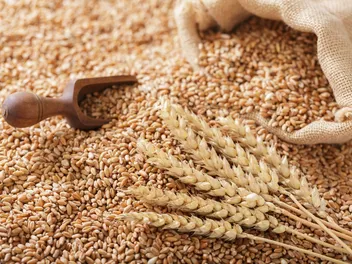
Barley is a popular ingredient in commercial dog food, once cooked it is easily digested by dogs and is a good source of fiber and several micronutrients. Like wheat, barley is a cereal grain widely used for human, pet, and livestock foods while also playing a vital part in beer production.
Though barley grass is considered a superfood, the seed is the part that usually appears in foods. The most common variety in stores is pearled barley, which doesn’t contain the hard, indigestible outer shell (the bran).

Benefits of Feeding Barley to Dogs
Animal meat-based proteins should be the top ingredient in any food you offer, but dogs can eat barley in moderation. If barley appears in your dog’s store-bought food which has the AAFCO nutritional adequacy statement on its label, you can usually rest assured that it has a healthy portion as part of its balanced nutrition.1
Barley supports the heart, circulation, bones, and immune system with its numerous beneficial vitamins and minerals, including:
- Phosphorus
- Potassium
- Magnesium
- Manganese
- B vitamins
- Selenium
Barley also has more calcium than rice, another oft-used dog food grain, and contains valuable antioxidants like vitamin E, lutein, and beta-carotene to protect cells from damage.
Soluble Fiber
Barley is a starch-rich beta-glucan, a soluble fiber that can help regulate blood sugar levels. Beta-glucan slows sugar absorption in the GI tract while increasing insulin sensitivity. Since barley has one of the lowest glycemic indexes of any cereal grain and contains roughly three times more beta-glucan than oats, it can be an excellent option for obese or diabetic dogs.
Soluble fiber promotes healthy gut microbiota by fermenting into beneficial short-chain fatty acids, improving the dog’s digestive efficiency. It optimizes nutrient absorption and can reduce inflammation and improve immune health by nourishing the healthy bacteria in your dog’s GI tract. The slow-digesting grain also increases satiety to help your dog feel full faster and further reduce the risk of obesity.

Insoluble Fiber
Barley is also a substantial supplier of insoluble fiber, which helps stools form and prevents constipation so your dog can maintain proper GI function. It may contribute to stabilizing blood sugar levels and to the feeling of fullness that can facilitate better weight management.

When Your Dog Shouldn’t Eat Barley
There are a few instances when you shouldn’t consider adding barley to your dog’s diet. Like wheat and rye, barley contains gluten, a protein that can affect sensitive dogs. Though this is uncommon, the risks of adverse health effects may be enough to warrant a talk with your vet before integrating it into your dog’s diet.
Gluten Sensitivities
Adverse food reactions to gluten can occur but are less common in dogs than food allergies to animal proteins such as beef, dairy and chicken. Canine food allergies most commonly cause itchy skin signs and gastrointestinal issues such as diarrhea, vomiting and excess gas.
Studies have shown that Irish Setters can be vulnerable to an enteropathy that may be linked to gluten sensitivity. Dogs with this condition have signs similar to humans with celiac disease including vomiting, diarrhea and chronic weight loss but the condition is not directly comparable.
Gluten sensitivity can also play a role in a condition called Paroxysmal Dyskinesia in some dogs, notably Border Terriers and possibly Maltese. This neurological condition causes seizure-like episodes of involuntary movements and posture changes that can last a few minutes to several hours.

Excessive Barley Consumption
Regardless of the health concerns, barley should always be a limited ingredient in your dog’s diet. While appropriate amounts can boost gastrointestinal health, too much fiber can cause uncomfortable bloating and gas as it ferments.
Excessive insoluble fiber can bind up essential nutrients and cause vomiting or diarrhea. Improper preparation can encourage these issues, so cooking barley thoroughly is crucial if you include it in a homemade dog diet.
Preparing Barley for Your Dog
Your barley preparation approach depends on the type you are using. Pearled barley takes less time to cook and is generally more digestible for dogs, but it doesn’t offer as much nutrition as hulled barley.
Hulled barley, also called whole-grain barley, offers the added benefit of the germ and the bran. The outer coating increases the barley's vitamin, mineral, protein, and fat content versus pearled varieties and boasts most of the grain's fiber.
How to Prepare Pearled Barley
Rinse the barley thoroughly. Add barley and water (or unseasoned broth) to a pot in a 1:2 ratio. Bring the pot to a boil, and reduce to simmer for 20–30 minutes until the barley is tender and chewy. Drain and fluff before serving.

How to Prepare Hulled (Whole Grain) Barley
Hulled barley needs a longer prep time for dogs to digest it comfortably. To speed up the cooking time, you typically want to soak it in water for a few hours after rinsing. When you’re ready to cook it, combine the barley with water in a pot and bring it to a boil. Reduce the heat, and let it simmer for 40–50 minutes. Drain and fluff before serving.
Always start by giving your dog a small amount of barley to see how they tolerate it. Watch out for any adverse effects such as vomiting or diarrhea. If you prepare homemade meals for your dog, barley can be a nutritious regular addition to their diet alongside lean proteins, vegetables and other grains. We would always recommend consulting with a veterinary nutritionist to formulate homemade meal plans for your dog to ensure that all their nutritional needs are met.
Conclusion
Barley is a nutritious grain, rich in fiber and various vitamins and minerals. It is a common ingredient in commercial dog foods. Always consult with your veterinarian before making significant changes to your dog’s diet, but if they give you the green light, properly prepared barley can be a beneficial addition to their diet when given in moderation.
Barley should only be one part of a balanced diet that contains all the essential nutrients your pup needs to stay healthy, and it isn’t appropriate for dogs with gluten-sensitive health issues.
Sources
Featured Image Credit: Sanit Fuangnakhon, Shutterstock
Expert dog care, straight to your inbox
News, insights, expert advice, and everything dog.

No spam — unsubscribe anytime.
By signing up, you agree to our Terms & Conditions and Privacy & Cookies Policy.
How useful was this post?
Click a star to rate. You can leave written feedback afterwards. (We read all feedback.)
Nicole has loved animals of all sizes her whole life so it's no wonder she has dedicated her career to helping them through what she loves best: learning, writing, and sharing knowledge with others. She’s the proud mom of two dogs, a cat, and a human. With a degree in Education and 15+ years of writing experience, Nicole wants to help pet parents and pets around the planet to live happy, safe, and healthy lives.