Can Dogs Eat Ginger Snaps? Vet-Verified Facts & Explanation



In this article
Ginger snaps are a spiced cookie that’s synonymous with the holiday season. They’re slightly sweet without being too overpowering, and deliciously crunchy. While you may enjoy them, ginger snaps aren’t something we recommend offering your dog.
Ginger snaps aren’t inherently toxic, but that doesn’t mean that they’re healthy for your dog, either. Read on to learn more.

What Are Ginger Snaps?
Ginger snaps are essentially gingerbread cookies, though instead of being cut into cute ginger-people shapes, they’re rolled into balls. They’re also typically baked a little longer, which gives them the snappy crispiness they’re named for.
Ginger snap recipe ingredients can vary, but the basis for the cookies is typically about the same: brown sugar, molasses, eggs, flour, cinnamon, ginger, cloves, oil, and baking soda. Of course, you may stumble across recipes that call for other ingredients like vanilla bean paste, shortening, and butter, but the result is typically much the same.
Can Dogs Eat Ginger Snaps?
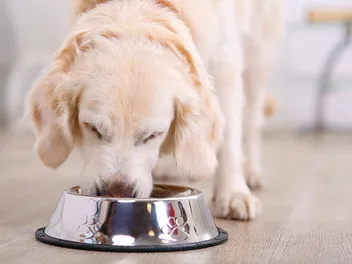
Dogs shouldn’t be given ginger snaps on purpose, but if your pup takes a cookie from the holiday spread, they’re not toxic for them so they likely won’t experience severe side effects. If your pup eats multiple ginger snaps, they may experience an upset stomach which may warrant a veterinary consultation.


Why Can’t Dogs Eat Ginger Snaps?
There are several reasons you shouldn’t willingly offer a ginger snap to your pup.
High Sugar Content
Ginger snaps, like every other cookie, are incredibly high in sugar. While sugar isn’t toxic for your dog, it can cause health issues if they’re allowed to eat it repeatedly or in large amounts. Eating too much sugar can cause gastrointestinal problems like vomiting and diarrhea. The extra calories over time can lead to weight gain, which in turn can lead to obesity and things like diabetes.
Artificial Sweeteners
Some ginger snap recipes may try to cut back on the amount of white or brown sugar by replacing some of it with artificial sweeteners. While this can certainly reduce the calorie count of the cookies and may be an excellent substitute for diabetic humans, some artificial sweeteners can be toxic for dogs.
Xylitol is one of the most common sugar substitutes found in numerous foods and sugar-free products, but it is highly toxic to dogs. Signs of poisoning can come on quickly or be delayed, but if you know your pup has eaten something containing xylitol, you shouldn’t wait for signs to appear before seeking advice from your veterinary team.

High Fat Content
Ginger snap cookies can be very high in fat thanks to their sugar, butter, oil and shortening content. Dogs that overeat fatty foods are at risk of becoming obese and more likely to develop pancreatitis.
Spices
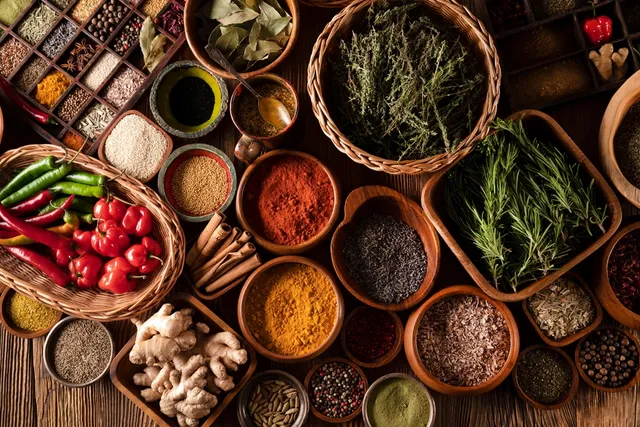
Ginger snaps typically contain an assortment of spices, including ginger, cinnamon, and nutmeg. Some recipes also add a bit of spice by calling for cayenne pepper. While ginger and cinnamon are considered safe in small quantities, nutmeg and cayenne pepper are not safe.
A small amount of nutmeg is unlikely to cause any harm outside of an upset tummy, but if your pup eats a lot, they could become poisoned. Nutmeg contains a toxin known as myristicin, which can cause clinical signs such as vomiting, disorientation, seizures, and abdominal pain.
While cayenne peppers aren’t toxic, they can cause severe irritation and should be avoided.
What Should I Do if My Dog Ate a Ginger Snap?
If your mischievous pup has gotten into your ginger snap cookie jar, remain calm. Re-read your recipe’s ingredient list to determine if it contains potentially toxic ingredients (e.g., xylitol, nutmeg). If your cookies do contain these ingredients, we recommend calling your veterinary office for advice. Even a small amount of xylitol can be hazardous for dogs. While the amount of nutmeg your pup would be exposed to in a single ginger snap is unlikely to cause significant harm, we always like to err on the side of caution.
If your recipe is toxic ingredient-free, keep a close eye on them for any concerning signs of illness. Call your vet if you notice any of the following signs:
- Vomiting
- Diarrhea
- Lethargy
- Trembling
- Behavioral changes
- Seizures

Final Thoughts
While ginger snaps are a must-have for any holiday get-together, they’re not something you should share with your pup. They’re unlikely to cause any significant harm if your dog does eat one, but the risks may be increased depending on what ingredients your recipe uses. Those containing xylitol, excess sugar, and nutmeg should be avoided.
Sources
Featured Image Credit: Paul Tessier, Shutterstock
Expert dog care, straight to your inbox
News, insights, expert advice, and everything dog.

No spam — unsubscribe anytime.
By signing up, you agree to our Terms & Conditions and Privacy & Cookies Policy.
How useful was this post?
Click a star to rate. You can leave written feedback afterwards. (We read all feedback.)
Chantelle is passionate about two things in her life – writing and animals. She grew up on the prairies of Canada surrounded by animals and as an adult, she choose to share her home with five cats, two guinea pigs, and a bearded dragon. Chantelle, her husband, and their child take great pride in being great animal parents- the ones who spend a thousand dollars on wall-mounted cat shelves so that their cats can have an indoor jungle gym all year round. When Chantelle isn’t snuggling her cats on the couch or taking pictures of them being funny, she’s outside exploring in the Rocky Mountains, binging the same shows on Netflix over and over, and reading about whatever random topic pops into her brain.