How to Cook Chicken Liver for Dogs: Vet-Approved Recipes & FAQ


In this article
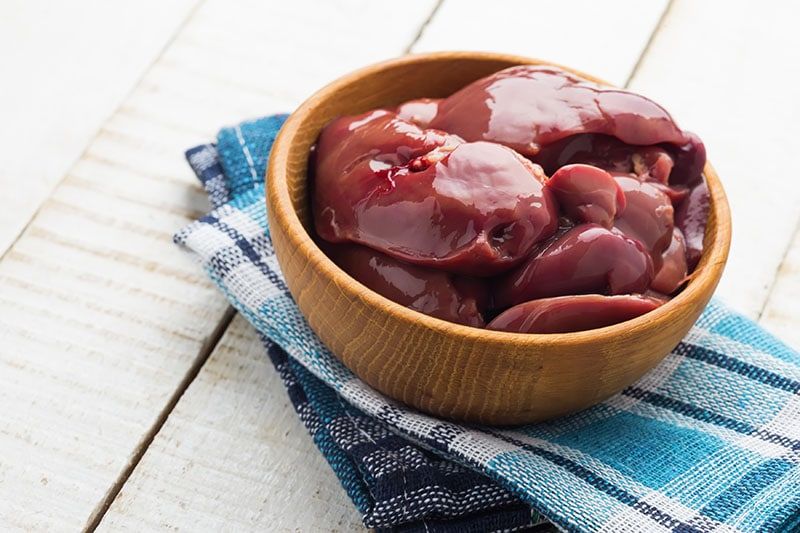
Chicken liver is commonly used in many dog treats and dog food formulas. This delicious organ meat is a great way to add some nutritional value to your dog's diet 1, so whether you are looking to serve it plain, add it to their food, or use it in a tasty dog treat recipe, there are many ways you can prepare it that will have your pup drooling.
Keep reading to learn more about the nutritional benefits of chicken liver and the different ways you can cook it to make your dog’s dinner time that much more appetizing.

How Chicken Liver Can Benefit Your Dog
Liver and other organ meats can certainly be a healthy addition to your dog’s diet when fed in moderation because they are very rich in nutrition. When it comes to feeding liver specifically, this organ is rich in the following:
Protein
Liver is a great source of protein while simultaneously being low in fat. Adding liver to your dog's diet is a great way to help them hit their protein requirements.
Vitamin A
Liver is an excellent source of vitamin A. Vitamin A helps keep your dog's coat shiny, skin healthy, vision sharp, and also plays a part in immunity.
B Vitamins
Liver contains B vitamins (e.g., pyridoxine, cobalamin, riboflavin, thiamine) which dogs need for energy production, metabolism, and to maintain healthy cells.
Iron
Dogs require iron in their diet, as this mineral helps them produce red blood cells and also supports everything from brain function to immune health.
Other Vitamins and Minerals
In addition to iron, vitamin A, and B vitamins, liver contains many other vitamins and minerals, such as vitamins K, D, copper, riboflavin, phosphorus, potassium, and zinc.


What Type of Liver Is Best?
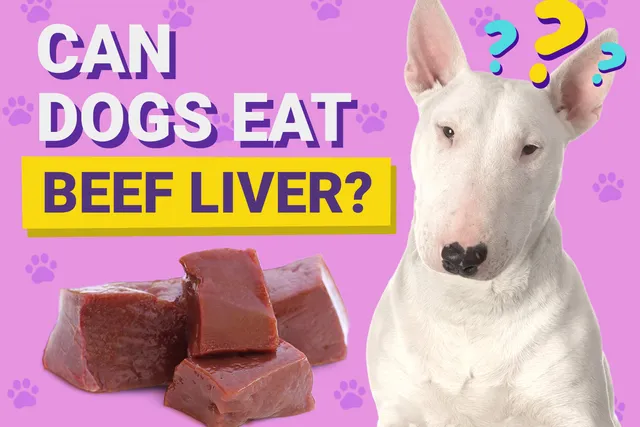
Two types of liver are readily available at the grocery store: chicken and beef. Chicken is more commonly used across the board, but both types of liver are packed with protein and essential vitamins and minerals. Both are fairly low in calories and saturated fat and can make an excellent addition to your dog’s diet. That being said, there are a few minor differences between the two.
Comparison of Chicken and Beef Liver
Though beef liver does look like a clear winner, it is important to note that the micronutrient profiles of the two food sources are somewhat different, too. For example, chicken liver is a better source of both iron and calcium when compared to beef liver. Ultimately, since liver is often offered as a treat and only comprises a small portion of your dog's dietary intake, there isn't a clear winner between the two options; both are acceptable for your dog as long as they aren't allergic to them. Consult a veterinarian to find out which livers are the best choice for your dog.
Ways to Add Chicken Liver to Your Dog’s Diet
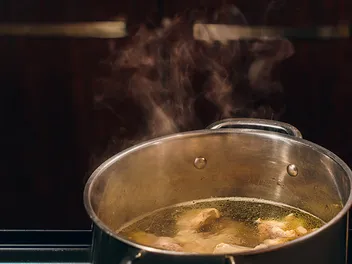
When preparing liver for your dog, avoid adding butter, oil, salt, herbs, or any other spices. Regardless of how you cook the liver, make sure it is plain. There are many different ways to prepare liver, including baking, pan frying, boiling, steaming, and adding it to tasty treats and dog food recipes. Here are some of our favorite ways to whip up some liver for your pup.
Simple Cooking Instructions
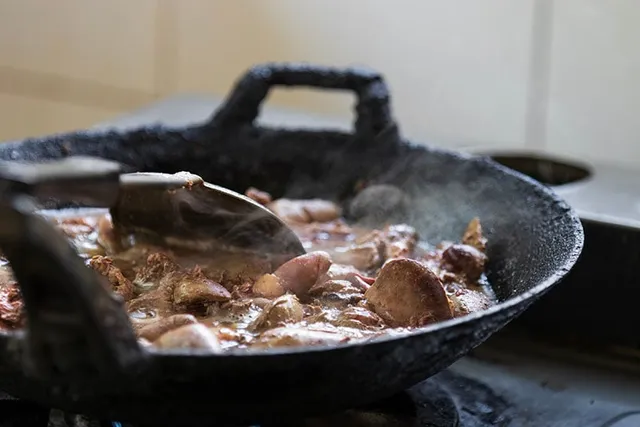
There’s something nice about simplicity, and if you don’t feel like whipping up treats, you can do some basic cooking and either feed it to your dog straight or add it to their dog food. Here are some quick tips for simply cooking the liver to ensure it’s healthy and free from potential parasites that can be found in raw meat.
1. Roasted Liver
- Preheat the oven to 375 degrees Fahrenheit (190 degrees Celsius).
- Lay a sheet of aluminum foil over a baking tray and grease with olive oil cooking spray.
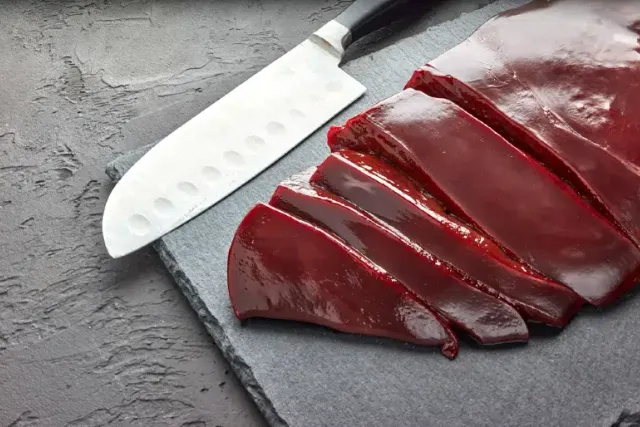
- Use a sharp knife to cut the liver into even slices ranging from 1/2 to 2 inches thick.
- Lay the liver out on a baking tray and place the tray into the preheated oven.
- Bake for 20 to 30 minutes until the liver slices are thoroughly cooked.
- Allow the liver to cool before serving your pup.
2. Boiled Liver
- Place the liver into a pot of boiling water.
- Simmer for about 15 minutes until tender.
- Allow the liver to cool completely before serving.

Delicious Treat Recipes
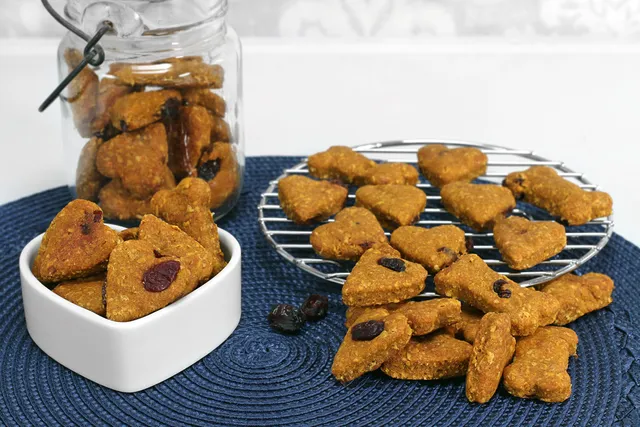
1. Liver Treat Bites
Why buy commercial treats when you can make your own healthy treat bites at home? These tasty liver bites are perfect for any dog, and you have the comfort of knowing exactly what ingredients are going into the mix.
Ingredients:
1 cup rolled oats
1 cup all-purpose unbleached flour
½ pound chicken liver, rinsed and trimmed
2 large eggs
1 tablespoon olive or vegetable oil, or more as needed
Instructions:
- Preheat the oven to 325 degrees Fahrenheit (160 degrees Celsius).
- Grease a 9-inch square baking dish with olive oil and line it with parchment paper.
- Add the oats to the food processor and pulse until finely chopped (about 10 to 15 seconds).
- Transfer the oats to a large mixing bowl and mix in the flour.
- Place the liver in the food processor for 10 to 15 seconds.
- Add the eggs and blend until combined, then add oil and process until incorporated.
- Add liver mixture to oat and flour mixture, then stir until well blended.
- Spoon the mixture into the baking dish.
- Bake for approximately 30 to 40 minutes or until firm.
- Remove from the oven and let cool completely.
- Cut into bite-sized pieces.
2. Liver Meatballs
What dog doesn’t love a good meatball? Here’s a great recipe that includes some other nutritious ingredients, perfect for your good boy or girl.
Ingredients:
1 pound chicken liver
1 egg
½ cup coconut flour
2 tablespoons nutritional yeast
1 tablespoon olive oil
Instructions:
- Preheat the oven to 350 degrees Fahrenheit.
- Rinse the liver under cool running water then blot dry with paper towels.
- Heat olive oil in a large skillet over medium heat, add the chicken liver, then cook it until brown.
- Combine the liver, egg, yeast, and olive oil in a food processor, then pulse until smooth.
- Transfer the mixture into a large bowl then add the flour and stir until incorporated.
- Roll the dough into appropriately sized meatballs (depending on your pup’s size.)
- Place the meatballs onto a lined baking sheet.
- Bake the meatballs for 20 minutes or until golden brown.
- Remove the meatballs and allow them to cool completely before serving.
Things to Consider
Like with anything, too much of a good thing can be bad. Liver is no exception, which is why it’s best to feed liver in moderation to ensure your dog can reap the benefits of this healthy organ but avoid the associated risk of consuming too much.

Hypervitaminosis A
Vitamin A toxicity, or hypervitaminosis A, can occur when dogs are fed large amounts of liver or other vitamin A-rich foods over an extended period. Hypervitaminosis A is uncommon as long as dogs are fed an appropriate diet but is most prevalent in dogs that are fed large amounts of liver or table scraps.
When a large amount of vitamin A is consumed in a very short period of time, this can cause acute vitamin A poisoning, with signs like drowsiness, vomiting, irritability, and, in extreme cases, peeling of the skin. Gradual over-supplementation of vitamin A leads to a slower build-up and also leads to poisoning, but in this case, the signs aren't as drastic or sudden.
Iron Overload (Hemochromatosis)
Liver is high in iron, which is great for dogs in moderation. However, too much iron makes it difficult for your pup to process and eliminate the mineral, leading to a build-up in the bloodstream. Iron overload can cause everything from joint pain to organ damage and, if left untreated, can be fatal.
Digestive Upset
All nutrient-dense foods may lead to a digestive upset in your pup. Liver is no exception to this rule as it is a very nutrient dense ingredient. Signs of such an upset include tummy aches, vomiting, diarrhea, loose stools, or other signs of distress. Have a veterinarian examine your dog if you suspect they're facing such issues after being fed liver.

Summary
For most dogs, chicken liver is a safe, nutrient-dense ingredient and makes for a great treat option. You can cook it in many different ways, as long as you ensure it is plain and free from added butter, salt, herbs, or spices. It can be baked, boiled, steamed, pan-fried, or incorporated into bite-sized treats. One thing is for sure, your pup will be looking forward to this mouthwatering addition to their diet.
Featured Image Credit: Antonova Ganna, Shutterstock
Expert dog care, straight to your inbox
News, insights, expert advice, and everything dog.

No spam — unsubscribe anytime.
By signing up, you agree to our Terms & Conditions and Privacy & Cookies Policy.
How useful was this post?
Click a star to rate. You can leave written feedback afterwards. (We read all feedback.)
Nicole has loved animals of all sizes her whole life so it's no wonder she has dedicated her career to helping them through what she loves best: learning, writing, and sharing knowledge with others. She’s the proud mom of two dogs, a cat, and a human. With a degree in Education and 15+ years of writing experience, Nicole wants to help pet parents and pets around the planet to live happy, safe, and healthy lives.