High Liver Enzymes in Dogs: What it Means and What to Do (Vet Answer)

In this article
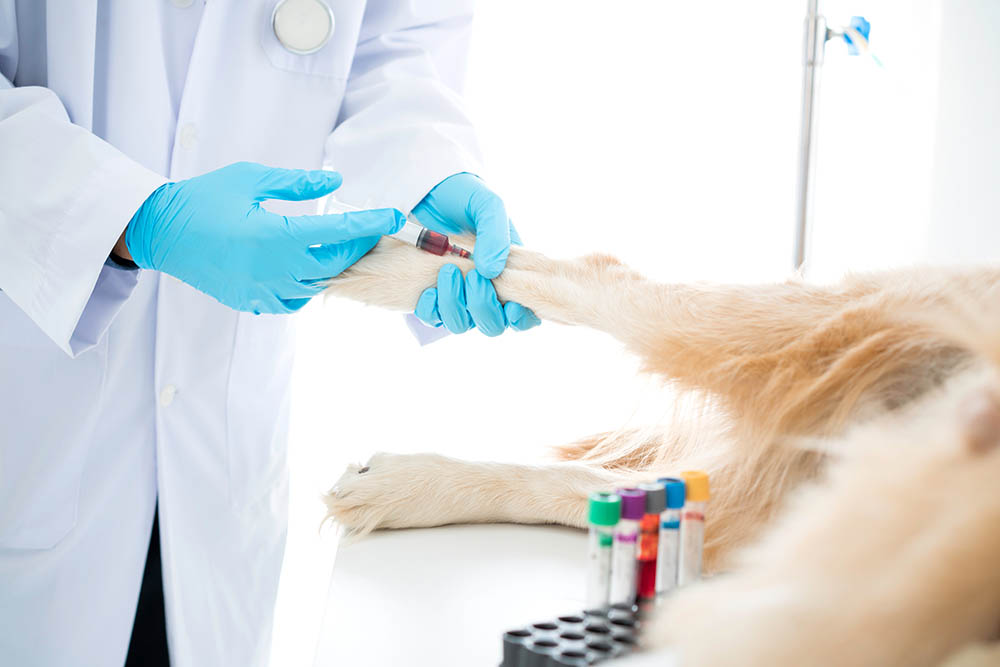
When veterinarians say the words “liver enzymes”, we are referring to values that are tested on bloodwork. These values can collectively, or individually, give your veterinarian an idea of what may or may not be going on if they are abnormal. Most commonly these liver enzymes will test high, or elevated, on bloodwork. Whether or not all the values are elevated, or just one, will give your veterinarian an idea of what the cause could be and what should be done next. High liver enzymes are not a one size fit all, and there are many reasons they could be elevated. While we won’t be able to cover all of the reasons for high liver enzymes in this article, we’ll cover the most common ones and what to expect as far as diagnosis and care.

What Are Liver Enzymes?
Liver enzymes are found in different parts of the liver cells (hepatocytes), have different functions, and have associated values on bloodwork. Routine bloodwork is very important in animals, especially those that are middle aged or geriatric. Bloodwork can also give us a lot of information in animals that may not be that old but are acting ill. On most blood chemistry panels, there will be values for ALT, AST, GGT and ALP. These are all acronyms for different names of liver enzymes.
- ALT – Alanine aminotransferase. The most “liver specific” enzyme, typically will only be increased on bloodwork following liver injury or liver cell death.
- AST – Aspartate aminotransferase. Fairly liver specific, but less so than ALT. Can show an increase on bloodwork due to liver injury or liver cell death but can also increase with some muscle diseases. Commonly parallels changes in ALT.
- ALP – Alkaline phosphatase. Both the least liver specific enzyme and the most commonly elevated. Multiple isoenzymes found in liver, bone, kidney, intestinal and steroid induced. Sensitive marker of cholestasis. Cholestasis is decreased or completely stopped bile flow.
- GGT – gamma-glutamyltransferase. Sensitive marker to cholestasis, similar to ALP. Elevations often associated with underlying bile issues.
There are other tests available that may need to be specifically completed for your dog. The above values are what we most commonly see on routine bloodwork. However, there are multiple specialty blood panels and tests that may need to be run depending on what your dog needs.

What Are the Signs of High Liver Enzymes?
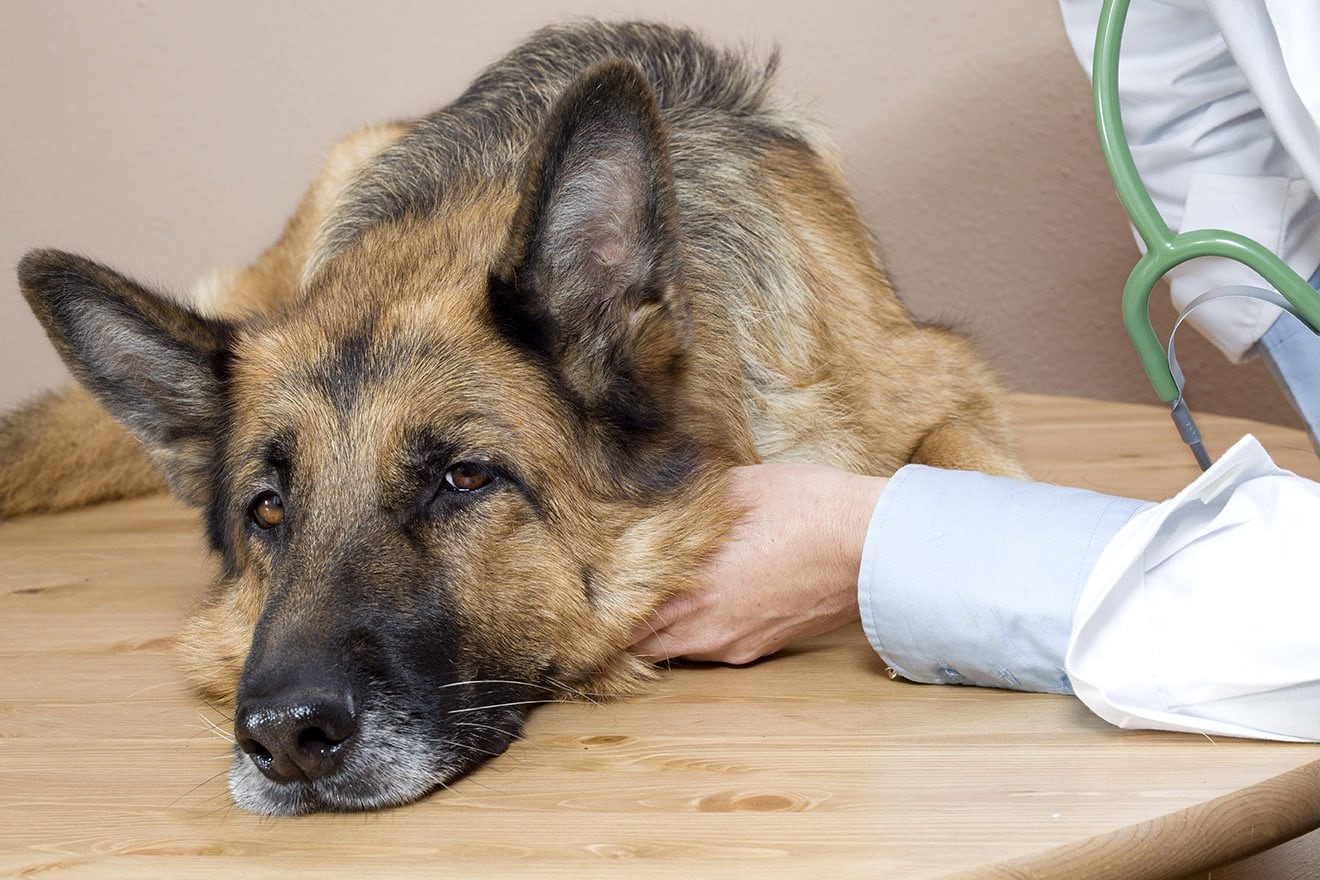
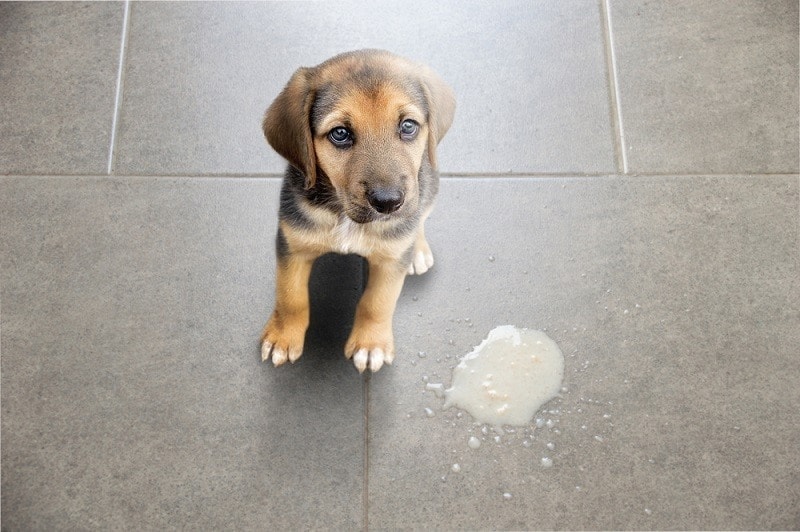
Signs of high or elevated liver enzymes in dogs can vary greatly. Many of the signs are what we classify as “non-specific”. In other words, these can be seen in a variety of illnesses and diseases and are not specific to just liver issues. These include but are not limited to vomiting, diarrhea, lethargy, abdominal discomfort, anorexia. Some types of liver disease may cause a pot-bellied appearance to your dog’s abdomen, or even fluid build-up in the abdomen itself.
The most classic and well-known sign of potential liver disease is icterus, or jaundice. This is the yellowing of the eyes, gums, ears, and other mucous membranes. It can be a mild yellowing to a severe, highlighter yellow color. While liver disease is a common cause of this, there are other diseases, such as IMHA, that can also cause icterus. Your veterinarian will need to complete bloodwork and other diagnostics to determine a cause.
What Are the Causes of High Liver Enzymes?
Sometimes, elevations in some (but not all) of the liver enzymes can occur from medications. Dogs that are on steroids or anti-seizure medications may develop elevated liver values from these medications being processed by the liver. Mild elevations are to be expected. However, if the values skyrocket or worsen with time, your dog may need to be put on a different medication that is gentler on the liver. NSAIDs such as Carprofen can do the same thing. This is why it’s important to complete follow-up bloodwork with your veterinarian as recommended.
Another cause of elevated liver enzymes is Cushing’s disease. This is a condition where your dog’s body is making too much steroid. A confirmation blood test will need to be completed at your veterinarian, with your dog staying there for the day with them while they collect multiple blood samples. But luckily this condition can be treated with daily medications. However, follow-up bloodwork does need to be routinely completed to make sure the medication dosages are appropriate.
Your veterinarian may suspect a liver shunt if you have a young dog that has elevated liver enzymes. Confirmatory tests with additional bloodwork or advanced imaging needs to be completed to rule this in/out. There are different treatment options depending on what type of shunt your dog has.
Still other causes of elevated liver enzymes are cancers and toxins. Toxins such as Sago palm, xylitol, and mold can cause increased liver enzymes. Some types of cancer directly involving the liver, or metastatic cancers to the liver, can cause the enzymes to be elevated on bloodwork.

How Do I Care for a Dog With High Liver Enzymes?
Caring for a dog with elevated liver enzymes can vary drastically among individuals. The first important thing to keep in mind is that not only does the underlying cause(s) of the elevated liver values need to be treated, but also the clinical signs. Your dog will likely be on medications to help with their appetite and nausea, as many causes of elevated liver values can cause vomiting and anorexia. Depending on the cause, your dog may be on antibiotics, medications to help with their bile, or what are referred to as liver protectants.
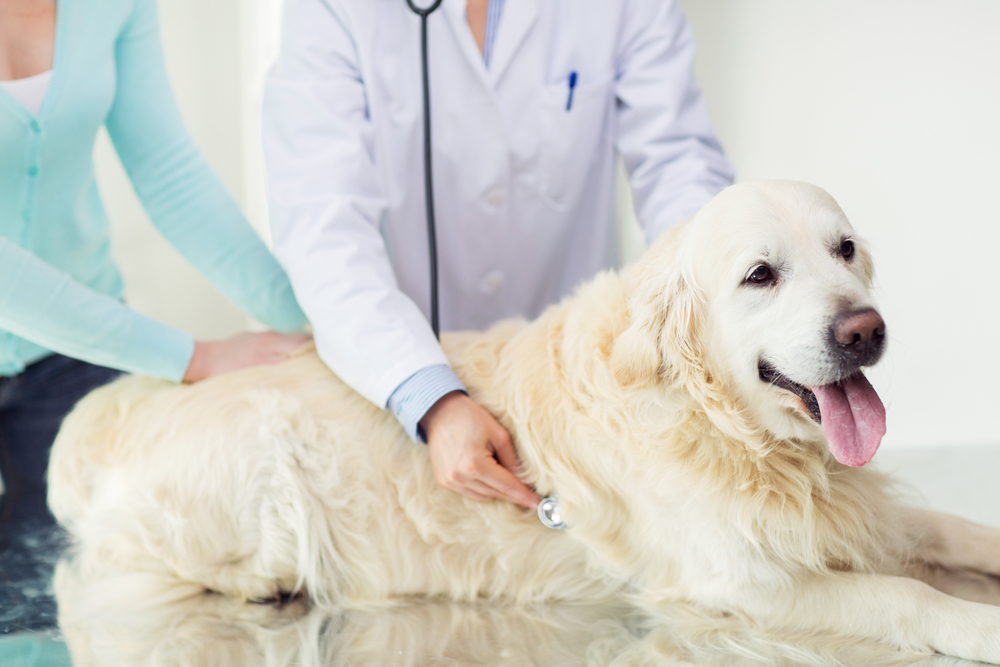
No matter the cause, close monitoring of bloodwork and imaging such as ultrasounds will likely be recommended. While it may seem frustrating and it can get expensive to do all of these rechecks, it’s imperative that you complete them. Without knowing if the liver values are getting better or worse, your veterinarian can not provide the best possible therapy for your dog.

Frequently Asked Questions
Can Younger Dogs Have Elevated Liver Enzymes?
Yes! Elevated liver enzymes are not a problem exclusive to middle aged and/or older dogs. There are many issues – shunts, toxins, storage disease, etc. – that can show up in younger dogs. This is why bloodwork prior to a routine spay or neuter is important as it may catch these problems early, before your dog shows any signs.
Can My Dog Be Cured?
It depends, as it is dependent on the cause of the elevated liver enzymes. There are some toxins or infectious causes that can be cleared and your dog’s liver can return to normal. Unfortunately, there are other causes that can worsen with time or even cause death.
Conclusion
Elevated liver enzymes refer to specific values on bloodwork that can be higher than normal. The values all correlate to different enzymes in the liver cells (hepatocytes) that all have different functions. Depending on if many or just one value is elevated will help your veterinarian know what the cause may be. Specialized blood tests or even advanced imaging such as an ultrasound or CT may be recommended to determine a cause of the elevations. If your dog has elevated liver enzymes, they may be totally normal, anorexic, vomiting, and have icterus or general malaise. Care is completely dependent on the cause, and close monitoring with follow-up bloodwork is always recommended. Some causes can be treated and cured, while others may be serious enough to cause death.
See Also:
Sources
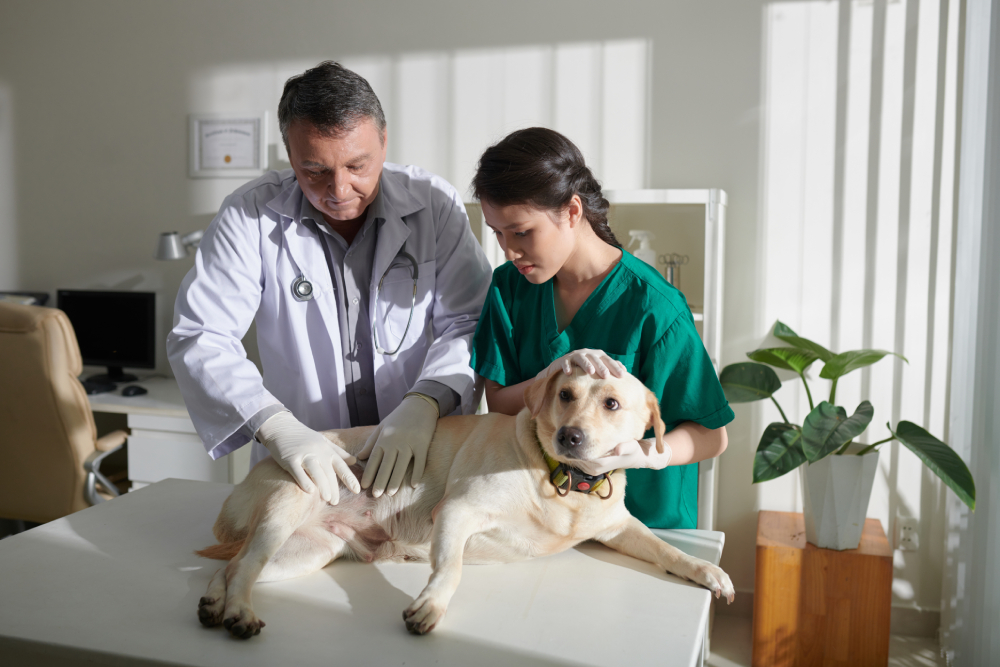
Featured Image Credit: Dragon Images, Shutterstock
Expert dog care, straight to your inbox
Vet-reviewed advice, training tips, and the best of Dogster. Free, and you can unsubscribe anytime.
By signing up, you agree to our Terms & Conditions and Privacy & Cookies Policy.
Dr. Kim Podlecki DVM (Veterinarian)
A graduate of The Ohio State University College of Veterinary Medicine, Dr. Podlecki has more than 12 years of experience working with small animals in the US. Dr. Podlecki worked almost exclusively in specialty medicine and emergency for more than a decade before transitioning to relief in both general practice and ER. Dr. Podlecki also owns her own consulting company (renewvetconsulting.com) with the focus of helping veterinary hospitals prioritize their staff to promote a healthier internal culture.
Join the conversation
Ask a question, share your story, or send private feedback.