Dogster is reader-supported. When you buy via links on our site, we may earn a commission at no cost to you. Learn more.

Dog Nutrition

Dog Food Sensitivity: Vet-Reviewed Signs & Treatment

Annaliese Morgan
By Annaliese Morgan · Reviewed & fact-checked by Dr. Ashley DarbyVet Approved
Dr. Ashley Darby
Reviewed & Fact-Checked byDr. Ashley DarbyBVSc (Veterinarian)
Dr. Ashley has worked in mixed and small animal emergency clinics and general practice ever since 2017 after studying Sydney University. She grew up in South Africa and England before moving to Australia, and her passion for animals came from many childhood safaris in the Kruger National Park.View authorThe information is current and up-to-date in accordance with the latest veterinarian research. Learn more
Updated on June 17, 2026
Share
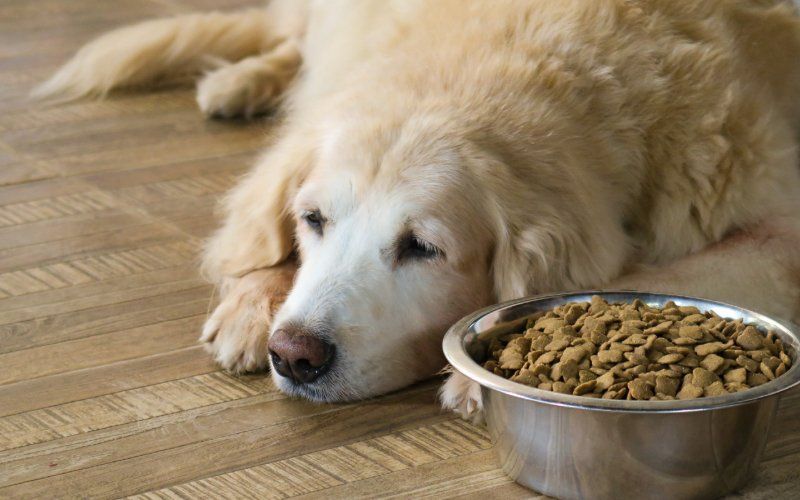
sad golden retriever dog beside food bowl on the floor with no appetite

Just like humans, dogs can also develop sensitivities and allergies, especially when it comes to their food. However, identifying and addressing the signs of dog food sensitivity can be a challenge for many pet owners, particularly as some aren’t all that obvious, and numerous triggers could be the problem.

From digestive problems to skin issues, food sensitivities can cause all sorts of havoc within the body, but hopefully, this article can help you determine if your dog is struggling and what to do if they are. Read along as we get into some of the signs of food sensitivities and how they’re treated.

Disclaimer:

This article has been reviewed by a qualified veterinarian using information available at the time of review. The knowledge of canine medicine is continually evolving. This article is not intended to replace consultation with a veterinarian for your specific pet. It does not take into account your pet’s unique circumstances.

divider dog paws 4 oct 2024

What Is a Food Sensitivity?

A food sensitivity is different from an allergy (or allergic response) to a particular food.

A food allergy means your dog has developed an immune response toward, most likely (but not always), the protein part of a particular food. Certain food proteins, for reasons that can be a mystery, cause your dog’s immune system to mistake the protein part of it as a threat. The body, therefore, initiates defensive antibodies to rid the body of this protein that it believes (wrongly) is harmful. In turn, this produces unpleasant signs that your dog exhibits. These will continue for as long as the irritant ingredient is still part of their regular food intake, and even weeks after the food was ingested.

With a food sensitivity (or intolerance), your dog has trouble digesting the said ingredient. A response from the immune system is not involved; rather, it is more of a chronic cumulative condition primarily affecting the digestive tract, usually hours after the consumption of the food. These signs can look similar to allergic responses also, just to make it even more confusing.

Since they are so similar we will discuss both under the name of “food sensitivity” however, a more accurate description would be food intolerance which would cover all the underlying processes.

Image Credit: N_T, Shutterstock
Dogster_Website dividers_v1_Jan 18 2024-01-TEST

What Are the Signs of Food Sensitivity in Dogs?

Signs of food sensitivities all tend to follow the same pattern despite the source of the individual food causing the reaction. While these signs listed may be broad, your dog will show specific ones unique to them. If any of these signs are noticed or they suddenly begin to occur, be sure to have your dog checked over by your veterinarian.

  • Itchy skin (pruritus)
  • Licking paws
  • Nibbling or biting nails and paws
  • Compulsive licking
  • Bald or thinning patches of hair
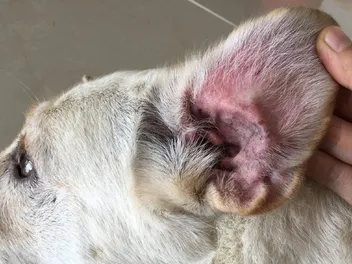
  • Ear infections
  • Gas and/or bloating
  • Abdominal pain or discomfort
  • Flatulence
  • Inflamed pads
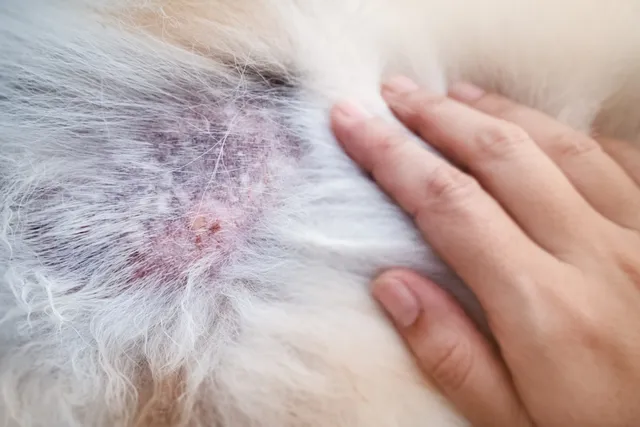
  • Pink/red skin, especially around the paws, mouth, eyes and bottom.
  • Face rubbing
  • Hives
  • Skin infections
  • Skin rashes
  • Vomiting
  • Diarrhea
  • Lethargy

If your dog is showing any of these signs and you are seeking the best possible treatment for your pup, we recommend speaking with a vet.

What Are the Causes of Food Sensitivities?

Image Credit: Monika Wisniewska, Shutterstock

While the signs and causes of food sensitivities vary from dog to dog, it's important to differentiate between food intolerances and food allergies, as they involve different mechanisms and require different approaches for diagnosis and management. If you suspect your dog has a food intolerance, consult with a veterinarian to determine the underlying cause and make appropriate dietary adjustments.

Common causes, however, can include the following:

  • Lactose - Many dogs are lactose intolerant, meaning they lack the enzyme, called lactase, needed to digest lactose, the sugar found in milk and dairy products. Consuming dairy can lead to signs of gastrointestinal upset, such as diarrhea or gas.
  • Grains - Some dogs may have difficulty digesting certain grains like wheat, corn, or soy. This can lead to digestive problems, such as diarrhea, vomiting, bloating, or gas. Other dogs will have a true allergic reaction to certain grains, especially wheat.
  • Additives and Preservatives - Some dogs may have sensitivities to artificial additives, preservatives, or colorings commonly found in commercial dog food. These additives can disrupt the digestive system and lead to gastrointestinal issues.
  • High-Fat Foods - Certain fatty foods, especially when introduced suddenly or consumed in large amounts, can lead to pancreatitis or other digestive upset in dogs.
  • Fiber Content - Too much of foods with a high fiber content, such as certain vegetables or grains, may cause gastrointestinal discomfort in some dogs, leading to gas or diarrhea.
  • Protein Sources -Protein is associated more with food allergies and not sensitivities. As omnivores, dogs rely on protein in their diet but can have an allergic reaction to one or more types of protein. A dog that is allergic to beef, may not necessarily be allergic to chicken for example.
  • Individual Sensitivities - Each dog is unique, and what causes a food intolerance in one dog may not affect another. As their owner, you are the best judge of any concerns with them.
dogster face divider

How Do I Care for a Dog With Food Sensitivities?

If you suspect your dog has food sensitivities, it can be frustrating to sort out and, therefore, it is advisable to consult with a veterinarian for proper diagnosis and guidance on treatment. The approach to treating food sensitivities in dogs and caring for them often involves identifying and eliminating the problematic ingredient(s) from their diet.

While the methods and results will be different for each dog, in general, you can expect to be advised by your vet to do the following:

  • Elimination Diet: This involves feeding your dog a novel or hydrolyzed protein source and, sometimes, a novel carbohydrate source. These are ingredients your dog has not been exposed to before, reducing the likelihood of an adverse reaction. Ask your vet for recommendations for home cooked or commercial diets that would be appropriate to use.
  • Strict Dietary Management: During the elimination diet period, avoid feeding your dog any treats, table scraps, or any other foods aside from the elimination diet, as this will interfere with the diet trial. This helps identify the specific ingredient causing the sensitivity.
  • Monitor Signs: Keep a close eye on your dog's signs during the elimination diet. If they improve in 6-12 weeks, it may indicate that an ingredient in the original diet was the cause of the intolerance.
  • Reintroduction of Ingredients: After a period of relief, your veterinarian may guide you through re-adding specific ingredients to identify the culprit. This step helps confirm the component causing the intolerance.
  • Specialized Diets: Depending on the results of the elimination diet, your vet might recommend a specialized commercial hypoallergenic diet or a diet free of the irritant ingredient.
dogster paw divider

Frequently Asked Questions

How Do I Transition My Dog to a New Food?

Changing your dog's diet should be done gradually to avoid further digestive upset. Transition them gradually. Start by mixing a small amount of the new food with your dog's current food. Begin with about 25% new food and 75% old food. Gradually increase the proportion of the new food over the course of 7–10 days.

  • Day 1-2: 75% old food, 25% new food
  • Day 3-4: 50% old food, 50% new food
  • Day 5-6: 25% old food, 75% new food
  • Day 7: 100% new food

Monitor your dog closely during the transition period. Watch for any signs, such as diarrhea, vomiting, or changes in behavior. If you notice any adverse reactions, slow down the transition and consult your veterinarian.

Image Credit: Switlana Sonyashna, Shutterstock
divider dog paws 4 oct 2024

Conclusion

By understanding the common signs and causes of food sensitivities, you can take proactive measures to address the issue effectively. Once the culprit is identified (which is the tricky part), it can be avoided, and your dog will soon return to their normal self and be far happier and comfier on their altered diet.

Remember to consult with your veterinarian if you suspect that your dog may be experiencing food sensitivity. They can guide you through the process of identifying triggers, transitioning to a suitable diet, and monitoring your dog's progress.

Sources

Featured Image Credit: Phuttharak, Shutterstock

Want content like this delivered to you?

Sign Up For Our Newsletter

News, insights, expert advice, and everything dog

* By submitting, you agree to our Terms & Conditions and Privacy & Cookies Policy.

Annaliese Morgan
Authored by

Annaliese Morgan

Food Allergies in Dogs: Our Vet Explains Signs, Causes, Diagnosis & Care

Food Allergies in Dogs: Our Vet Explains Signs, Causes, Diagnosis & Care

Food allergies are a type of allergy that can affect dogs, causing chronic skin and digestive signs. Some breeds are more prone to food allergies than others,…

Dr. Marta Vidal-Abarca
By Dr. Marta Vidal-Abarca · 2 weeks ago
Nutritionist’s Guide to Healthy Skin and Gut for Your Dog

Nutritionist’s Guide to Healthy Skin and Gut for Your Dog

When we see our pet is uncomfortable due to incessant scratching or chewing, we know it’s time to seek help. Unfortunately, where to start on your dog's journe…

Dr. Angela Boyer
By Dr. Angela Boyer · 2 weeks ago
Dog Food Allergies vs. Intolerance: Our Vet Busts Myths & Misconceptions

Dog Food Allergies vs. Intolerance: Our Vet Busts Myths & Misconceptions

Food allergy and intolerance are terms that are often used interchangeably but are actually quite different. From itchy skin to an upset tummy, what your dog e…

Dr. Karyn Kanowski
By Dr. Karyn Kanowski · 1 week ago
11 Most Common Food Allergens for Dogs & How to Avoid Them (Vet-Reviewed)

11 Most Common Food Allergens for Dogs & How to Avoid Them (Vet-Reviewed)

Excessive scratching, recurring ear infections, and GI upset are all signs that your dog could have an allergy. While eliminating certain foods is the easiest…

Brooke Norris
By Brooke Norris · 4 days ago
July 4, 2026

Vets Reveal Top Dog Food Allergens to Watch Out For

Is your dog constantly scratching, dealing with tummy trouble, or battling ear infections? You’re not alone, and food could be part of the puzzle. While food a…

Dan Seymour
By Dan Seymour
Vets Reveal Top Dog Food Allergens to Watch Out For
June 17, 2026

Can Changing Dog Food Cause Vomiting? Vet-Reviewed Facts & Advice

I have a four-year-old Boxer who has a very strange thing happening. He is throwing up a foamy white discharge. He first threw up yellow...

Elizabeth Gray
By Elizabeth Gray
Can Changing Dog Food Cause Vomiting? Vet-Reviewed Facts & Advice
June 29, 2026

How Long Does A Dog Usually Have Diarrhea After Changing Food? Vet-Verified Facts

It's alarming to wake up to your dog having diarrhea. A million scenarios can quickly run through your mind, wondering what the cause of their runny stool may…

Keri-Beth Clur
By Keri-Beth Clur
How Long Does A Dog Usually Have Diarrhea After Changing Food? Vet-Verified Facts
June 17, 2026

Is It Bad to Switch Dog Food Often? Vet-Reviewed Facts & FAQ

A mistake that many dog owners make is finding good dog food and sticking to it forever. In fact, that’s the advice that many people give—advice that may have…

Keri-Beth Clur
By Keri-Beth Clur
Is It Bad to Switch Dog Food Often? Vet-Reviewed Facts & FAQ
June 17, 2026

How to Switch Your Dog's Food: 6 Vet-Approved Steps

When we choose a dog food, we might not consider that our dog won’t be a match for one reason or another. Or perhaps you haven’t had the results with the dog f…

Ashley Bates
By Ashley Bates
How to Switch Your Dog's Food: 6 Vet-Approved Steps
June 29, 2026

Can High-Protein Dog Food Cause Diarrhea? Vet-Verified Nutrition Facts

Some dogs are more sensitive to the protein in their food than others. For some with sensitive stomachs, high protein can lead to digestion issues, including d…

Kristin Hitchcock
By Kristin Hitchcock
Can High-Protein Dog Food Cause Diarrhea? Vet-Verified Nutrition Facts
June 29, 2026

Can Dog Food Cause Ear Infections? Vet-Verified Facts & FAQ

Dogs, just like humans, can suffer from ear infections. Your dog might never have one, or they may get them routinely. If you find that your dog is getting fre…

Ashley Bates
By Ashley Bates
Can Dog Food Cause Ear Infections? Vet-Verified Facts & FAQ
June 29, 2026

Can Dogs Eat Dairy? Vet-Verified Nutritional Guide & FAQ

If your dog has ever expressed interest in sharing your bowl of ice cream or glass of milk, you know how tough it can be to say “no” to them. But is sharing da…

Chantelle Fowler
By Chantelle Fowler
Can Dogs Eat Dairy? Vet-Verified Nutritional Guide & FAQ

Love Dogs? So Do We! Join the Dogster Community

Stay informed with expert pet care insights delivered straight to your inbox! Discover professional guidance on animal behavior, feeding tips, trusted product picks, and much more.

You may opt-out at any time. View our Privacy Policy for more information.

The Dogster app on a phone