Why Does My Dog Keep Getting Ear Infections? Our Vet Explains Causes & Care

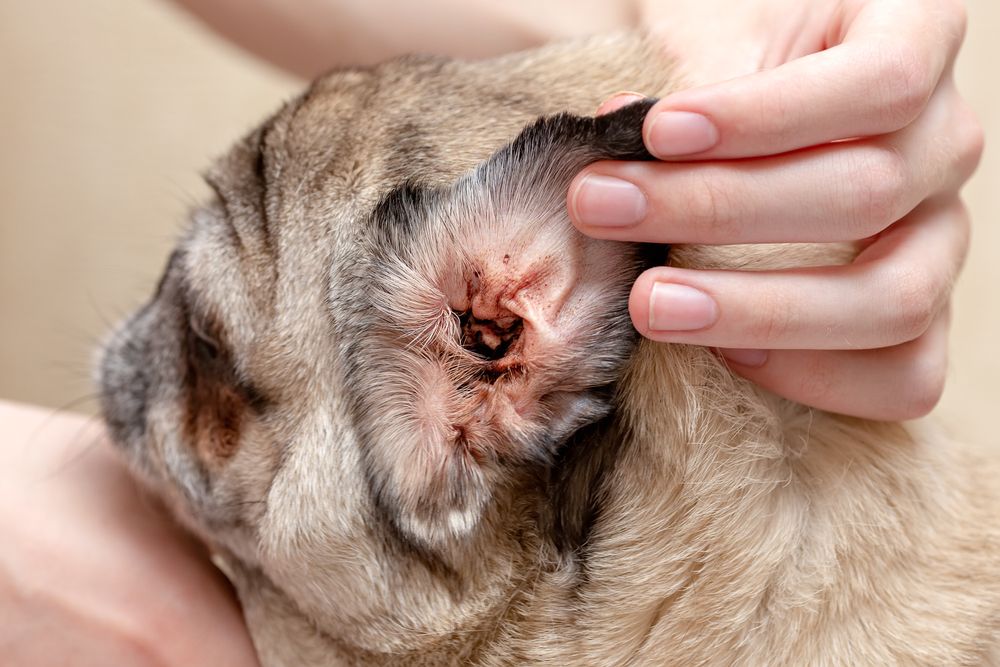
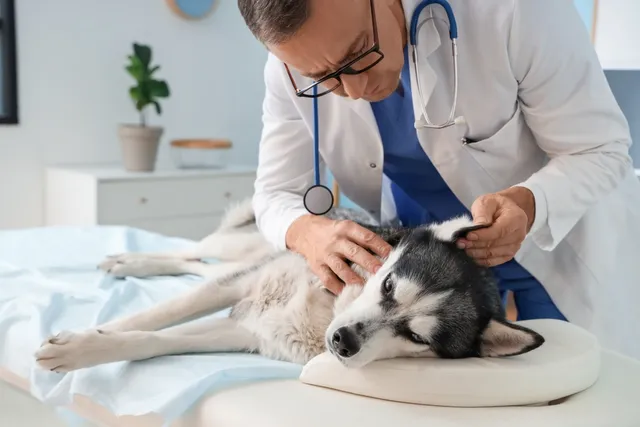
Ear infections are among the most common reasons dogs visit the vet clinic.1 While a normal dog could expect a couple of ear infections throughout their life, the frustration and costs will increase when your dog becomes a regular vet visitor due to their ear issues.
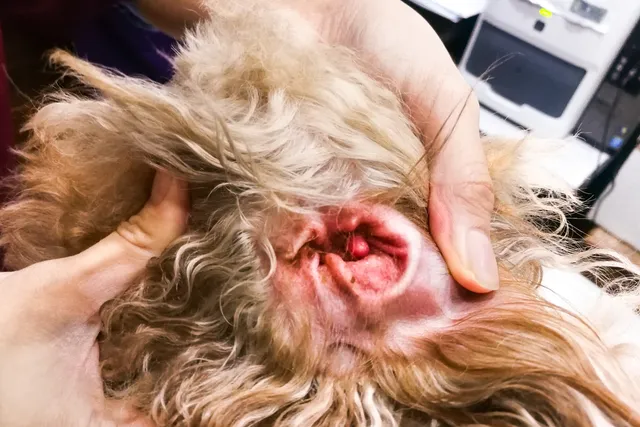
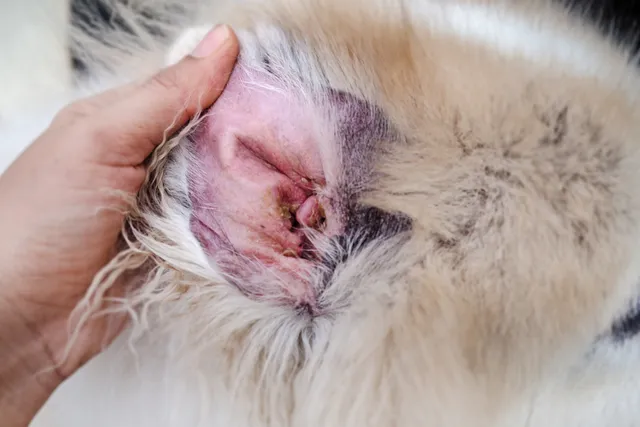
If head shaking, red ears, and constant scratching have become an all-too-familiar sight in your household, leaving you shaking your head, the good news is that there are ways to help your dog. The first step is understanding the underlying cause, which could lie in your pup's genetics, environment, acquired disease, or a combination of issues.

The 10 Causes of Recurrent Ear Infections
1. Ear Conformation
Some dogs are born with ears that make them susceptible to ear infections. Hairy ear canals are common in breeds like Poodles, Poodle crosses, and Schnauzers and they trap debris and cause irritation, leading to ear infections.
Breeds with long, floppy ears, like Spaniels, don’t get as much airflow through the ear canals, which provide a warm, moist environment perfect for microbes to grow in. Some breeds, like Shar Peis, are often born with narrow ear canals, which also make them prone to ear infections.
Prevention: Ear cleaning every week can help prevent debris that leads to ear infections and flush out microorganisms that cause infection. Vetoquinol Cerumene Ear Cleaner is good for removing waxy debris, while MalAcetic Otic Cleanser for Dogs & Cats helps disinfect the ears.
Plucking hair from the ear canals is controversial but sometimes effective in preventing ear infections. Surgical approaches like lateral ear canal resection or total ear canal ablation can also be helpful in these cases but should be discussed with your treating vet.
2. Moisture
Frequent swimming, bathing, or playing in water can lead to water accumulating in the ears, creating a perfect moist environment for microbes to grow and increasing the risk of developing ear infections. Overcleaning can also cause excessive moisture in the ears, and, unfortunately, well-meaning dog owners often cause more problems with excessive cleaning.
Prevention: Dry your dog’s ears thoroughly after they get wet. Ask your veterinarian how often you should clean your dog’s ears, as the ideal amount varies from dog to dog. Generally, maintenance ear cleaning should not be done more than twice a week. A drying agent like Ora-Clens Otiderm Advanced Dog & Cat Ear Cleaner can reduce excessive moisture in the ears.
3. Treatment Failure
An ear infection can linger if the treatment has not been successful. In these cases, the signs may temporarily reduce with treatment but often quickly reoccur because the yeast or bacteria causing the ear infection were never eradicated. Causes of treatment failure include antibiotic resistance, wrong choice of antimicrobial, or a short treatment duration.

Prevention: Your veterinarian can perform cytology on the ear to see if bacteria or yeast are causing the ear infection. This cytology guides their choice of ear medication to supply your pet, as some are more appropriate than others for certain kinds of infection.
If ear infections are recurrent or serious, cytology should be repeated once your pet finishes the medication to ensure successful treatment. If not, your vet may extend the treatment, prescribe something else, or perform a culture and sensitivity test to guide the treatment.
4. Foreign Material
Sand, dirt, and plant material can accumulate in your dog’s ears, especially if they spend a lot of time in nature. Dogs that love to dig are also prone to debris in the ear. Foreign material in your dog’s ears can lead to irritation and, in time, ear infections.
Prevention: If your dog has a good digging session, goes to the beach, or goes hiking and experiences intense irritation, the best thing to do is immediately give the ears a good flush out. A saline solution can remove debris if you follow up with drying the ears.
A slightly better option is a soothing solution designed for ears, such as PetHonesty Otic Dog Ear Cleaner Allergy Itch Skin Relief. If flushing at home doesn’t solve the irritation, you should see a vet to remove the foreign material.
5. Ear Mites
Ear mites are tiny parasites that can live in your pet’s ears. They can cause itching and secondary infections in the ears. Ear mites spread from one animal to another by direct contact.
Your dog may infect other pets in the household, including cats. Mites can be seen as little specks moving in your dog’s ears or diagnosed by a vet on cytology.

Prevention: All household pets should be treated with a parasite prevention that kills ear mites. Keeping this medication up to date will ensure they aren’t reinfected. Your veterinarian can also prescribe medication to kill ear mites. Depending on the product, the treatment may need to last 30 days to cover the full lifecycle of the mite.
6. Atopic Dermatitis
Atopic dermatitis, or environmental allergy, is a very common cause of recurrent ear infections. Allergic reactions can inflame the ear canals and predispose them to secondary infections.
Allergies to pollens can be seasonal, but they can also be caused by other substances in the environment that your dog has been exposed to all year. Other signs of atopic dermatitis include itchy skin, licking, rashes, hair loss, and skin infections.
Prevention: If your veterinarian suspects your dog has atopic dermatitis, they will likely prescribe medications like prednisolone or Apoquel to treat your dog’s allergy as needed. Dietary supplements like omega-3 fatty acids can help.
Medicated ear liquids with anti-inflammatory, antifungal, and antibacterial ingredients like Zymox Otic Dog & Cat Ear Infection Treatment with Hydrocortisone can also be helpful to reduce inflammation and mild infections in the ear.
7. Food Allergies
Unfortunately, 65%–80% of dogs with food allergies will get ear infections, potentially in addition to other signs like itchy skin and gastrointestinal upsets. Diagnosing a food allergy typically involves an elimination diet trial, which your veterinarian can guide you through.

Prevention: Once you know what your dog is allergic to in their diet, you can avoid this ingredient by checking the labels of food, treats, or medications administered as chewable tablets you plan to use for your dog.
If the allergen is unknown, a hydrolyzed protein diet such as Royal Canin’s Veterinary Diet, Hydrolyzed Protein HP Dry Dog Food, or Purina Pro Plan’s Veterinary Diets HA Hydrolyzed Chicken Flavor Dry Dog Food can sometimes control the signs of food allergies if no other food is fed.
8. Immunosuppression
If your dog has a weaker immune system, they will be more prone to ear infections. Puppies and geriatric dogs tend to have weaker immune systems. Dogs can also become immunosuppressed from chemotherapy and underlying diseases.
You should notify your vet if you notice any other signs of illness in your dog, such as coughing, vomiting, diarrhea, lethargy, or behavioral changes.
Prevention: You should speak to your vet about treating the underlying cause of immunosuppression, if there is one. Antibacterial and antifungal ear cleaners like the MalAcetic Otic Cleanser for Dogs & Cats can reduce the burden of microbes in your dog’s ear and help them fight the bugs causing ear infections.
9. Hormonal Problems
Some hormonal diseases can affect your dog’s skin or immune system and potentially make them susceptible to ear infections, such as hypothyroidism from an underactive thyroid or excess cortisol, which causes Cushing’s disease.
Signs of hormonal issues in dogs include lethargy, increased appetite/ thirst, urinating more than usual, weight gain, hair loss, other skin changes, and panting.

Prevention: If you suspect a hormonal disease, speak to your veterinarian about blood testing options to look for Cushing’s disease and hypothyroidism. Once diagnosed, your vet can guide you through treatment options that suit your dog.
10. Growths
Abnormal growths in a dog’s ear can interfere with the equilibrium in the ear and lead to inflammation and infections. The growths can range from benign polyps and overgrowth of glandular cells to less common malignant cancers like squamous cell carcinoma. Interestingly, middle-aged dogs are more likely to have benign growths, and those over 11 years of age are more likely to have malignant growths. Ear canal tumors are more common in Cocker Spaniels than any other breed. Biopsies and advanced imaging like CT or MRI may be necessary to evaluate the growths in your dog’s ear canals. Prevention: Unfortunately, there is no reliable way to prevent growths in the ear canal, and they can occur in any dog as a matter of chance. However, there is a theory that chronic ear canal inflammation can contribute to some of these abnormal growths. If this is true, keeping your dog’s ears healthy could reduce their chances of having this problem.

Conclusion
Now you know 10 possible causes of recurrent ear infections in dogs. Your dog’s age, history, lifestyle, and signs will give you clues about what is causing their ear infections. If you’re unsure, or your dog doesn’t improve with your interventions at home, you should speak with your vet. Ear infections are caused by interactions between your dog, their environment, and infectious agents like yeast and bacteria. Sometimes, getting to the bottom of it can be more complicated than you think!
Sources
https://veterinarypartner.vin.com/default.aspx?pid=19239&id=4951535
https://www.msdvetmanual.com/dog-owners/ear-disorders-of-dogs/tumors-of-the-ear-canal-in-dogs
https://vcahospitals.com/know-your-pet/ear-infections-in-dogs-otitis-externa
https://palmcityanimalclinic.com/7-reasons-your-pet-has-chronic-ear-infections/
https://www.bocamidtownevet.com/why-does-my-pet-keep-getting-ear-infections/
Featured Image Credit: Glikiri, Shutterstock
Expert dog care, straight to your inbox
News, insights, expert advice, and everything dog.

No spam — unsubscribe anytime.
By signing up, you agree to our Terms & Conditions and Privacy & Cookies Policy.
How useful was this post?
Click a star to rate. You can leave written feedback afterwards. (We read all feedback.)
Dr. Ashley Darby BVSc (Veterinarian)
Dr. Ashley has worked in mixed and small animal emergency clinics and general practice ever since 2017 after studying Sydney University. She grew up in South Africa and England before moving to Australia, and her passion for animals came from many childhood safaris in the Kruger National Park.
Ash lives with her husband, two happy Springer Spaniels, and one very patient black cat. She also competes in equestrian sports with her horse, Atlas.