Why Is My Dog Gaining Weight But Not Eating More? 10 Vet-Reviewed Reasons


In this article
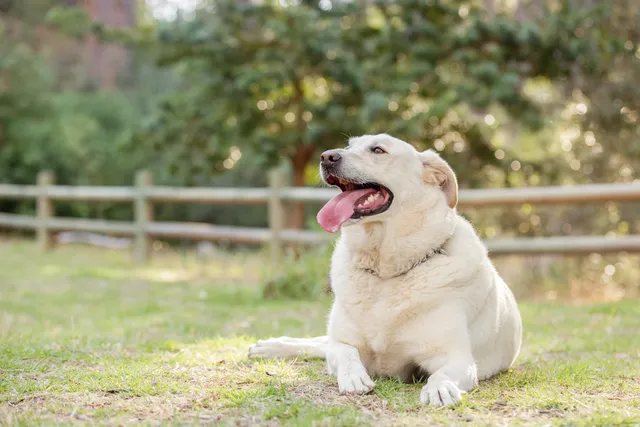
Did you know that 59% of dogs in the United States are considered overweight or obese1? It's true, and extra pounds put dogs at risk of developing debilitating health conditions like arthritis and reduce their lifespan. However, if your dog is gaining weight despite not eating more, there may be something else going on.
Read on to find 10 potential reasons behind your dog gaining weight without eating more and what you need to do when you notice your pup packing on the pounds.

The 10 Reasons Why Your Dog is Gaining Weight But Not Eating More
1. They're Pregnant
One reason for unexplained weight gain and a pot-bellied appearance is pregnancy. If your female dog is not spayed, she can become pregnant. It doesn't take long for that to happen, either. A few minutes unattended at the dog park or in your backyard can cause an unwanted pregnancy.

2. They're Not Getting Enough Physical Activity
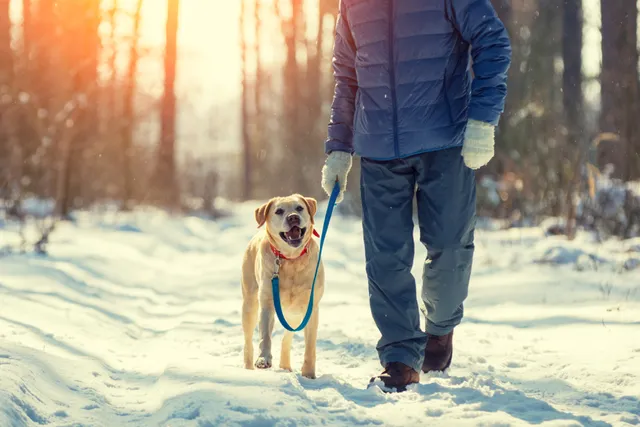
Dogs require exercise to keep them in shape and reduce their risk of developing obesity-related health conditions such as diabetes2. The exact amount of exercise your pup needs to be healthy will depend on their age, breed, and size, but a good rule of thumb is to aim for at least 20 to 60 minutes of physical activity daily. However, if your dog hasn't had much exercise lately, it's best to shoot for the shorter end of that spectrum. You might also get advice from a veterinary team for building a realistic and attainable exercise plan for your pup.
3. They're Retaining Fluid
An excess of fluid in the abdomen may be mistaken for weight gain. Ascites, also sometimes known as free abdominal fluid, is a potentially life-threatening condition. It is a possible side effect of heart disease, but fluid retention can also occur with tumors or certain diseases of the internal organs.

4. They're Taking Certain Medications
Some prescription medications can cause weight gain, especially if they're taken long-term. Corticosteroids (sometimes also known as "steroids" or "cortisone") are a class of steroid hormones often prescribed for their anti-inflammatory properties. When administered in high doses, these drugs act as an immunosuppressant. They can also cause an increase in thirst and appetite, as well as weight gain.
5. They Have an Undiagnosed Medical Condition
Certain medication conditions can cause unexplained weight gain in dogs. For example, an underactive thyroid (hypothyroidism) is one of the most common endocrine diseases in dogs3. This condition causes the metabolism to slow down, affecting nearly every body organ. In addition to weight gain without an increase in caloric intake, dogs with hypothyroidism may exhibit signs such as lethargy, cold intolerance, and dull or thin hair.
Cushing's disease (hyperadrenocorticism) is a disorder that can cause weight gain. This condition happens when the body produces too much of the hormone cortisol, weakening the immune system and making the affected pup vulnerable to other diseases and infections. In addition to unexplained weight gain, dogs with Cushing's disease can also exhibit signs such as excessive panting, increased urination and thirst, thin skin, hair loss, and enlargement of the abdomen.

6. They Have Parasites
Some internal parasites lodge themselves in the intestines of their hosts (in this case, your dog). This can lead to a pot-bellied appearance. Vets see this more often in younger animals that haven't fully developed their immune systems to resist parasitic infestations.
7. They Have Bloat
Various factors can result in gastric dilatation and volvulus (GDV), a condition better known as "bloat." While this condition doesn't cause actual weight gain, it can give your pup a bloated look, which can be mistaken for sudden weight gain. Besides the distended belly, dogs with this condition will exhibit other signs such as difficulty breathing, rapid heart rate, abdominal pain, drooling, and collapse.
GDV is life-threatening and requires immediate medical attention.

8. Their Breed Puts Them at Risk
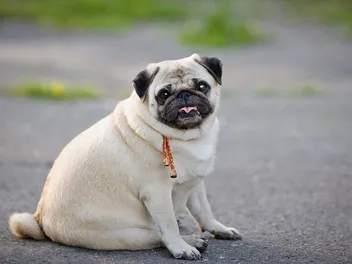
One study from 2016 suggests that some breeds may be prone to packing on the pounds. Researchers found that the breeds with the highest odds of being overweight include Pugs, Beagles, Golden Retrievers, and English Springer Spaniels. They also found that neutered, middle-aged dogs were also more likely to be on the heavy side.
9. Their Caloric Intake Hasn't Been Adjusted With Age
As adult dogs age, their metabolic needs decline, resulting in a decrease in required daily energy needs. Compounding issues such as losing lean body mass will be exacerbated if also accompanied by a reduction in physical activity. If you do not adjust your pup's food intake proportionately with their decrease in energy needs, weight gain can occur.
We do not recommend adjusting your dog's caloric intake without first consulting with a veterinary team.

10. You're Feeding Too Many Treats
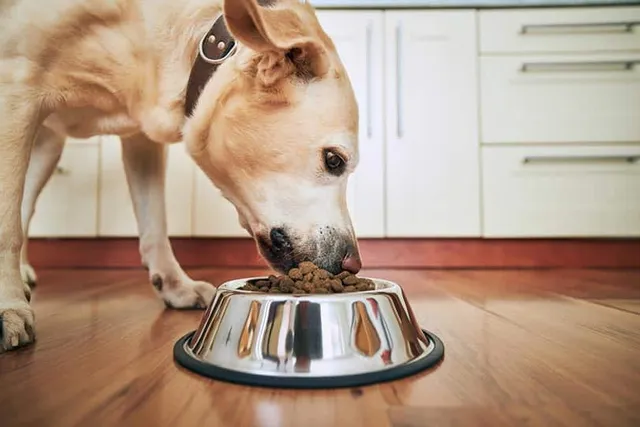
Well-meaning pet owners feed their dogs the recommended amount of food, interspersed with treats throughout the day. Treats are a fantastic training tool, but they should absolutely be accounted for in your dog's daily caloric intake. You generally don't want more than 10% of your dog's calories coming from treats.
We recommend getting advice and guidance from a veterinarian if you have any questions or concerns regarding your pet's diet and weight.

What Should I Do About My Dog's Unexplained Weight Gain?
The first thing you should do when you notice your dog is gaining weight without an increase in caloric intake is to have them evaluated by a veterinarian.
Your vet will require some key information from you to begin your pup's information, so come prepared with the answers to the following questions:
Your clinic may run tests and perform an examination to determine the root cause of the dog's weight gain. They will then offer a recommended treatment plan depending on the cause.
Some of the screening tests you may expect include:
Final Thoughts
The first thing humans do when they want to lose weight is begin an exercise regimen or cut back on their caloric intake. Putting a dog that is gaining weight on a calorie-restricted diet or bumping up their physical activity might then seem like the logical thing to do, but this is not always the answer. If your dog isn't eating more to explain the weight gain, you must seek help from a veterinary team to determine the cause.
Sources
https://vcacanada.com/know-your-pet/healthy-exercise-for-dogs
https://vcahospitals.com/know-your-pet/hypothyroidism-in-dogs
https://www.fda.gov/consumers/consumer-updates/treating-cushings-disease-dogs
https://www.dvm360.com/view/obesity-dogs-part-1-exploring-causes-and-consequences-canine-obesity
https://vcahospitals.com/know-your-pet/testing-for-abdominal-enlargement-in-dogs
Featured Image Credit: Boryana Manzurova, Shutterstock
Expert dog care, straight to your inbox
News, insights, expert advice, and everything dog.

No spam — unsubscribe anytime.
By signing up, you agree to our Terms & Conditions and Privacy & Cookies Policy.
How useful was this post?
Click a star to rate. You can leave written feedback afterwards. (We read all feedback.)
Chantelle is passionate about two things in her life – writing and animals. She grew up on the prairies of Canada surrounded by animals and as an adult, she choose to share her home with five cats, two guinea pigs, and a bearded dragon. Chantelle, her husband, and their child take great pride in being great animal parents- the ones who spend a thousand dollars on wall-mounted cat shelves so that their cats can have an indoor jungle gym all year round. When Chantelle isn’t snuggling her cats on the couch or taking pictures of them being funny, she’s outside exploring in the Rocky Mountains, binging the same shows on Netflix over and over, and reading about whatever random topic pops into her brain.