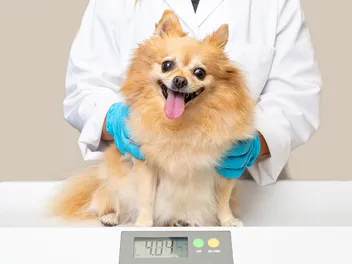
Why Is My Dog Not Losing Weight? 4 Vet-Reviewed Reasons & Care Tips


In this article
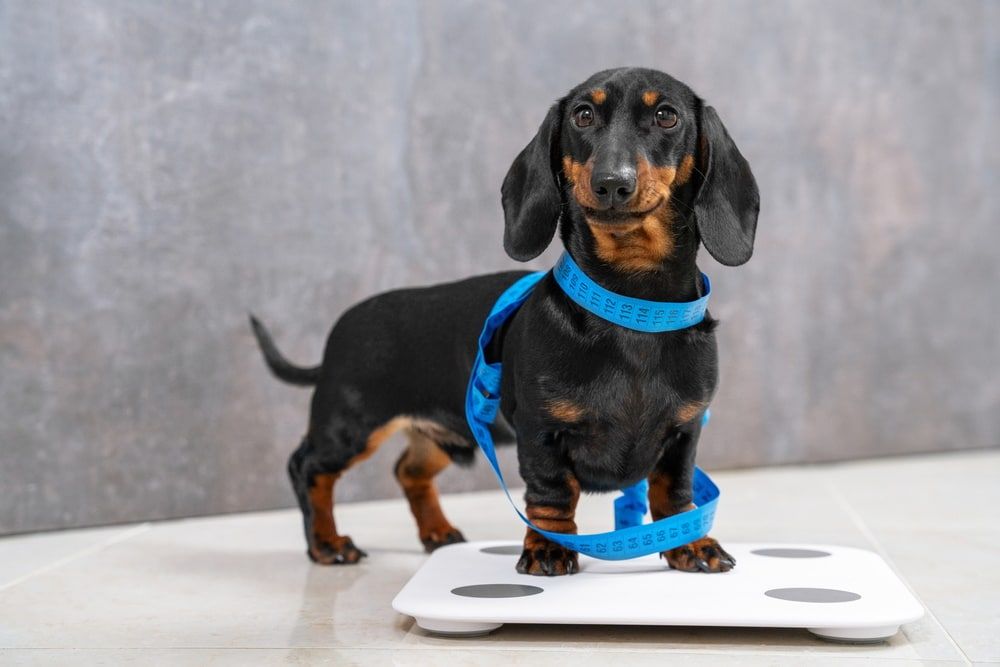
The chances are that your vet has warned you about the dangers of your dog being overweight. There are many health risks associated with a dog being overweight, including diabetes and joint disorders. That’s saying nothing about a reduced quality of life and early mortality. The sad thing is that it’s preventable. However, it’s not an isolated problem, nor is it uncommon.
Roughly 59% of canines are overweight or obese.1 Veterinarians define the latter as a pup being over 20% of their ideal weight. It can be discouraging if you’ve made steps to help your dog lose weight and you’re not seeing any results. So, why aren’t you seeing any progress? There are a few potential reasons.

The Main Factors That Can Stall Weight Loss in Dogs
If you’ve ever tried to lose weight, you can understand the challenges facing your dog. Sometimes, it’s not easy. Fad diets or unreasonable workout schedules don’t always work, particularly if they’re not sustainable. That’s why scientists speak of lifestyle changes instead as a way to maintain a healthy weight. If you feel you’ve made the necessary changes and aren’t seeing any results, what are some potential causes for this?

Too Many Calories
Dietary changes are the best means of losing pounds with the least amount of effort. A vet undoubtedly suggested it as the primary approach to getting your dog’s weight under control. Ideally, you should aim for a 1–2% loss per week. That allows for gradual weight loss that is often more manageable and less stressful for your pet.
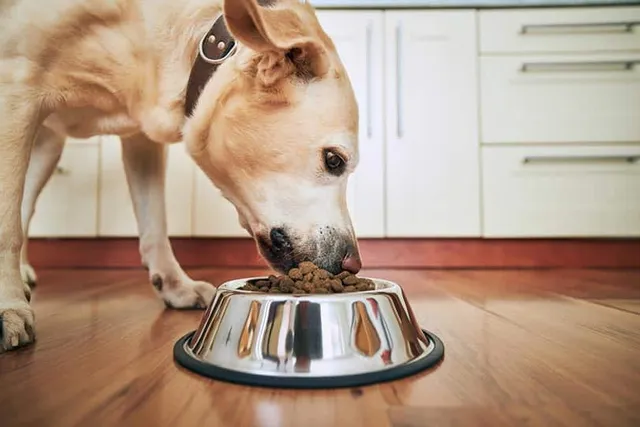
There are a couple of options when it comes to feeding a dog for weight loss. The first is to reduce the amount that they are getting of their current diet, assuming that they have been eating too much. Instead, feed them the amount recommended for the weight you want them to be, not the weight that they are at, but you must be sure to not cut the amount so much that they aren’t getting proper nutrition.
The other option is offering your dog a diet formulated for weight loss. These diets are lower in fat and calories and higher in fiber to help a dog feel full without overdoing it in the calorie department.
Whichever route you take, you need to make sure to:
If your pet is on a weight-loss management plan, everyone in the household must be on board. Remember that even a few treats can wreak havoc with your pup’s diet if your plan doesn’t account for them. We suggest having a household meeting to discuss your pet’s diet and sticking with the plan that has been worked out together with a veterinarian.
Not Enough Exercise
Weight is a simple question of calories in versus calories out through exercise and activity. Most dogs need at least 30 minutes of exercise daily, preferably more to burn extra calories. Exercise is also important for building and strengthening muscle and it helps keep joints flexible.
The problem with just letting your dog outside in the backyard is that you can’t accurately estimate its contribution to your pup’s weight loss plan. Insufficient activity is indeed part of the equation and may explain why your dog isn’t losing weight. However, other external influences may also exist.
Other Causes for Stalled Weight Loss
Sometimes, the scale may fail to move for other reasons outside your control. This can include age-related changes, such as arthritis that make exercise difficult or painful. Your vet can prescribe medications to make movement less painful for your pet and encourage more activity. However, meds, such as corticosteroids, are sometimes a double-edged sword in that they can increase a dog’s appetite. Your vet can best advise you on how to manage these added obstacles.
Spaying and Neutering
Spaying or neutering is a decision you should discuss with your vet because it’s not always a cut-and-dried solution. It offers benefits and risks you should know upfront. One of them is weight gain due to hormonal changes. In this case, the solution is to anticipate it and adjust your dog’s diet accordingly.

Genetics
Genetics can play a significant role in your pup’s weight loss on several fronts. Some dogs, such as Border Collies and German Shorthaired Pointers, are high-energy canines. Obesity probably isn’t a big issue with them. Other pups are more sedate, like Basset Hounds. That can predispose some pets to weight problems.

Steps You Can Take to Help Your Dog Manage Their Weight
Monitoring your dog’s weight weekly is essential. It takes a while because gradual loss is healthier for your pet. It can also help prevent rebound weight gain, which is no safer for canines than it is for humans. Your pup’s body will adapt to their new diet. You can also swap out high-calorie treats with low-calorie options, such as carrots.
We recommend discussing this issue with your vet if your pup doesn’t lose weight after a few months on their plan. A diet with higher protein and fiber may spur positive results. Other medical reasons can interfere with weight loss, including hypothyroidism. A thorough exam with blood work can identify other confounding factors.

Final Thoughts
We understand your frustration if your dog isn’t losing weight, especially if your vet has diagnosed a problem. Patience and diligence are essential when embarking on this course. Everyone in your household must understand its importance. Obesity is sometimes complicated, with other influences hampering your efforts. Your vet can help you find an ideal plan for getting your pup on track.
Sources
https://wsava.org/wp-content/uploads/2020/01/Body-Condition-Score-Dog.pdf
https://www.aaha.org/publications/newstat/articles/2020-02/pet-obesity-is-an-epidemic/
https://www.cliniciansbrief.com/article/gonadectomy-dogs-considerations-review
https://www.petmd.com/blogs/fullyvetted/2013/sept/does-spay-neuter-cause-weight-gain-cats-dogs-30922
Featured Image Credit: Masarik, Shutterstock
Expert dog care, straight to your inbox
News, insights, expert advice, and everything dog.

No spam — unsubscribe anytime.
By signing up, you agree to our Terms & Conditions and Privacy & Cookies Policy.
How useful was this post?
Click a star to rate. You can leave written feedback afterwards. (We read all feedback.)
Since 2009, Chris has written on a variety of topics. Her motto with all of her writing is “science-based writing nurtured by education and critical thinking.” She specializes in scientific topics, with a special love for health and environmental topics, and of course, pets of all shapes and sizes.
Chris lives happily with her husband and three cats in the land of 10,000 lakes, writing, wining, and boating as much as she can. She and her husband, Norm, were awarded the State of Kentucky Colonel Honor for their restoration work at Mammoth Cave National Park.