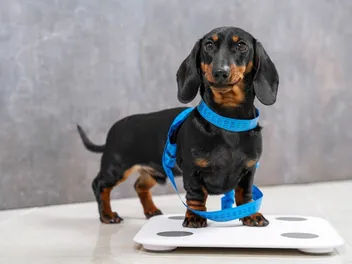
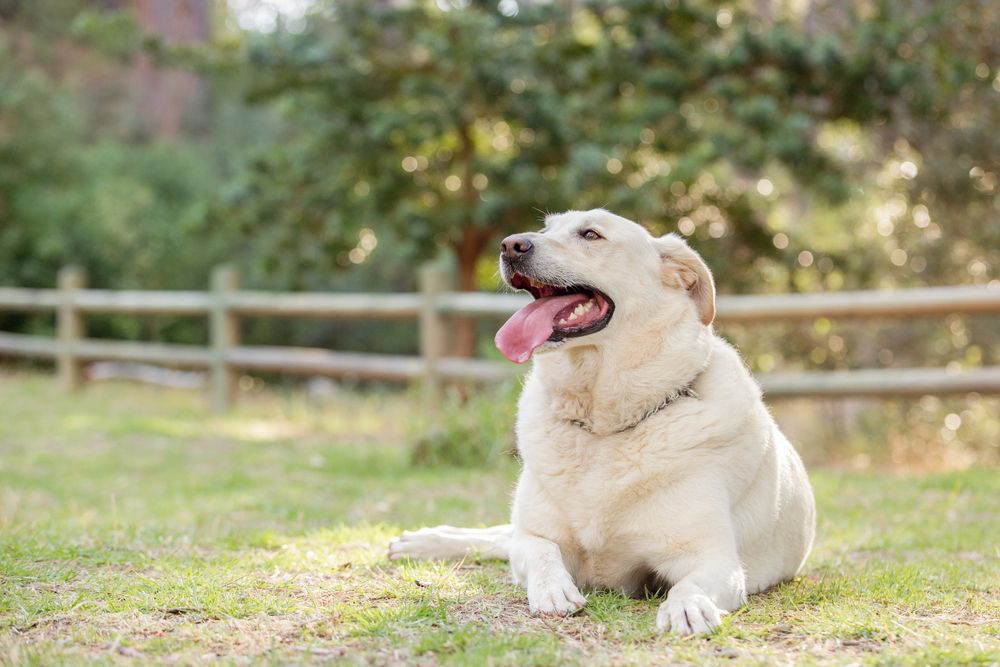
My Dog Is Overweight: What Should I Do? 6 Vet-Approved Tips


In this article
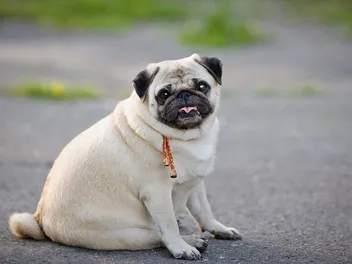
Obesity is a common problem among domestic canines, and it’s a serious one. A dog with excess weight can experience various health problems if the issue is left unchecked.
In this article, we discuss how you can determine if your dog is overweight and how to help them shed those excess pounds.

The 6 Things You Can Do to Help Your Dog Lose Weight
The first step in addressing your dog's weight issue is to take them to the vet. A veterinarian can rule out any potential underlying health conditions and provide support for the next steps on your dog's weight loss journey.
1. Change Their Diet
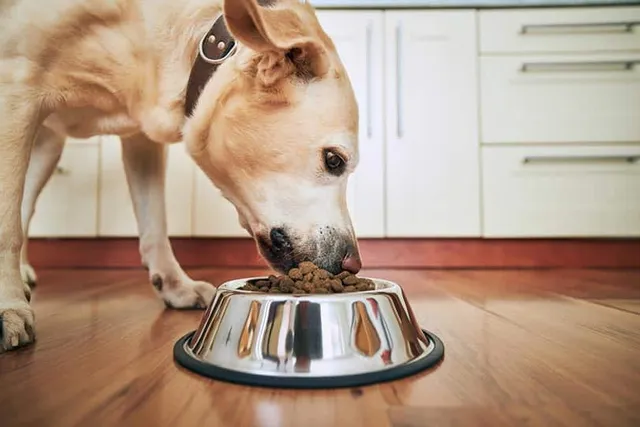
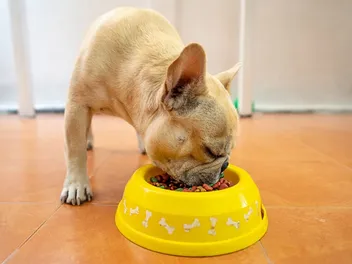
If your dog needs to lose weight, a vet may suggest changing their diet. They might recommend a specific type of food that can help your dog lose the extra pounds. You’ll need to measure your dog's food to provide them with the appropriate calories, which a vet will advise you about.
2. Ease the Transition
A veterinarian can help you transition your dog to their new food. It usually takes about a week for your dog to switch from their old diet to their new one. Here's a recommended schedule for the transition process:
| Days 1 and 2: | Add 25% of the new food to 75% of their old food. |
| Days 3 and 4: | Add 50% of the new food to 50% of their old food. |
| Days 5 and 6: | Add 75% of the new food to 25% of their old food. |
| Day 7: | Your dog can eat 100% of the new food. |
Also, you can’t expect your dog to go on marathon walks and runs right away. You’ll need to ease them into long walks and slowly move up to more strenuous activities.
3. Watch the Treats
Dog treats can be incredibly calorie rich if you’re not careful—a little goes a long way! Therefore, on days that you provide your dog with treats, you should adjust their regular meals accordingly to avoid overfeeding. Treats should only make up roughly 10% of your dog’s diet.
It's also essential to ensure that no one in the family is giving your dog additional treats or table scraps. The latter can be particularly harmful to your dog's health, especially if unhealthy or toxic foods are involved.

4. Have Your Dog Get More Exercise
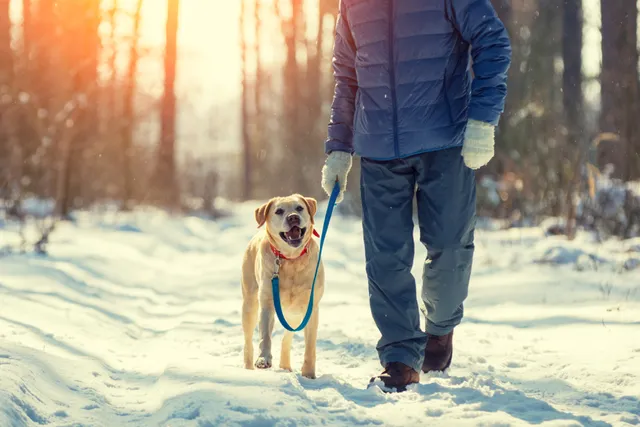
To help your dog lose weight, follow a regular exercise routine. A vet can advise you on how often and how long your walks and other activities should be. In addition to walking, playing fetch and doing other activities with your dog is a great way to keep them active while also strengthening your bond.
5. Keep Track of Their Food and Activities
You’ll need to stay organized and keep things on track. To achieve this, you may find it helpful to create a schedule. This could include specific times for meals, exercise, and play sessions. You should also be vigilant about measuring your dog's meals and ensuring that your entire family follows the same routine. For example, if your dog was accidentally being fed breakfast twice, having a schedule that everyone sticks to can help with that.
6. Be Consistent and Stick With It
Losing weight is a challenge, but it's even harder to keep the weight off in the long term. This is true not only for humans but also for dogs. If your pup has successfully lost weight, that doesn't mean you can go back to the same old diet and routines.
To maintain your dog's healthy weight, stick with the weight-loss diet and exercise plan that was effective in the first place for a while. Speak to a vet about what your future steps should be.


How Can You Tell If Your Dog Is Overweight?
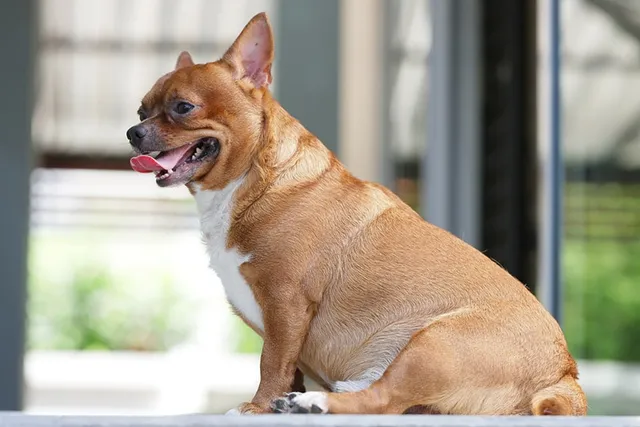
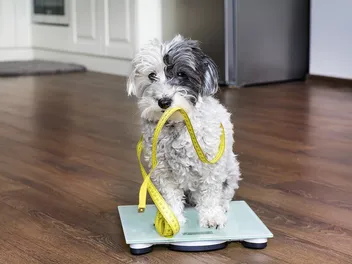
Determining whether a dog is overweight can be tricky. A dog can have a thick coat, or their weight can creep up on them slowly, making it more challenging to take notice. One sign of an overweight dog is when they start to slow down and find it more challenging to perform strenuous activities. They may pant more often, appear winded, and become tired after taking a walk.
However, the best way to judge if a dog is overweight is to use the body condition score (BCS), which is comparable to the body mass index used for humans.
Body Condition Score

The BCS is used by veterinarians to determine whether a dog is overweight, but it can also be used by pet owners. The following checks will help you determine if your dog has weight issues.
| Rib Cage: | Using gentle pressure, you should be able to feel your dog’s rib cage. They shouldn’t be too prominent or difficult to feel due to a layer of fat covering them. |
| Waist: | While your dog is standing, look directly down at your dog, and you should see a noticeable waist. The area between the ribs and hips should be narrower. |
| Side View: | While your dog is still standing, look at your dog from the side; the abdomen should be tucked up from the chest to the stomach. |
The 6 Reasons Dogs Gain Weight
The factors that can cause a dog to gain weight can range from their diet and exercise routine to certain health conditions.
1. Too Many Calories
The most common reason that dogs gain weight is the intake of more calories than they burn. Every dog is different, and more active dogs will need more calories than more sedentary dogs. Excess calories aren't necessarily a result of overfeeding your dog during mealtimes, since they can come from treats and table scraps too. It's also possible that the dog food that you're serving is too high in calories for your pup.
2. Not Enough Exercise
If your dog consumes an excessive amount of carbohydrates and calories and isn't getting enough exercise, it will result in weight gain. The most common cause of obesity is too many calories and not enough of the ingested calories being burned through exercise.

3. Aging
When dogs become seniors, they can become less active and lose muscle mass. Unfortunately, this can lead to weight gain. Also, senior dogs don’t get the same amount and intensity of exercise that they did when they were younger, which is why it’s common for older dogs to gain weight. Diseases like arthritis are common in old age, which leads to mobility issues and reduced activity levels. Fortunately there are treatments available to suit any budget, so this is something that you should discuss at the vet.
4. Hypothyroidism
Dogs with hypothyroidism typically start to show signs of the disease when they are in middle age, including weight gain.
Other signs of hypothyroidism are:
5. Cushing’s Disease
Cushing's disease occurs when the dog’s adrenal glands produce an excess amount of the hormone cortisol. One of the side effects is weight gain.
Other signs may include:
6. Joint Issues
Dogs that suffer from joint issues like osteoarthritis and hip dysplasia often gain weight because they find it hard to move around without experiencing pain. This can lead to a vicious cycle because the more weight the dog gains, the more pressure is placed on their joints, which in turn, causes more pain when they move and can further impede their ability to exercise. As a result, the dog may continue to put on weight due to the lack of physical activity.

Conclusion
If your dog is overweight, it can cause a host of health issues and may shorten their lifespan. Therefore, it is essential to help them lose weight safely. Consult with a vet to determine the best course of action for your dog's specific needs and health concerns.
By staying vigilant and proactive, you can help your dog enjoy a happy, healthy life at their optimal weight.
See also: My Puppy Is Overweight
Sources
Featured Image Credit: McCann Michelle, Shutterstock
Expert dog care, straight to your inbox
News, insights, expert advice, and everything dog.

No spam — unsubscribe anytime.
By signing up, you agree to our Terms & Conditions and Privacy & Cookies Policy.
How useful was this post?
Click a star to rate. You can leave written feedback afterwards. (We read all feedback.)
Kathryn was a librarian in a previous lifetime and is currently a writer about all things pets. When she was a kid, she hoped to work in a zoo or with wildlife in some way, thanks to her love for animals. Unfortunately, she's not strong in the sciences, so she fills her days with researching and writing about all kinds of animals and spends time playing with her adorable but terribly naughty tabby cat, Bella. Kathryn is hoping to add to her family in the near future – maybe another cat or two and a dog.