Thrombocytopathies in Dogs: Vet-Verified Signs, Care & Treatment



In this article
Thrombocytopathies are disorders that affect platelet function. Often, this means that they are inherited and have a genetic component. Many of these disorders may have a higher predisposition in specific breeds due to their genetic cause. Sometimes, genetic tests are available to help breeders identify affected individuals or carriers in order to prevent these disorders from being passed on. However, they often have no cure.
Thrombocytopathies are much less common than acquired platelet disorders, though the two should not be confused. Acquired disorders are not present at birth and are instead “acquired” sometime in the dog’s life. These are usually not genetic and can sometimes be cured, depending on what the underlying cause is.
There is also a closely related set of disorders that affects platelet count, which often has the same signs and is called thrombocytopenia in case of a reduced number of platelets.
In this article, we’ll take a look at thrombocytopathies that are common in dogs, as well as a few congenital disorders that affect platelet count specifically.

Hereditary Macrothrombocytopenia
This disease occurs specifically in Cavalier King Charles Spaniels. It is a genetic platelet disorder that affects up to 50% of all dogs in this breed, causing the platelets to be larger than normal and the numbers to often appear below the expected reference range. However, it is generally benign and does not cause the dog any problems. It is not linked to gender, age, coat color, or any other identifiable marker. This disorder is often detected during other blood tests, but usually doesn’t pose a significant risk to the dog.
Instead, the reduced number of platelets on the blood test can be concerning and may prompt vets to look for an alternative reason. Usually, this leads to a battery of tests that come back normal. This can be worrisome for dog owners and expensive. Eventually, the dog is diagnosed with this benign disorder.
There is no treatment for this disorder, but your dog really doesn’t need one since there are generally no downsides to having this disease.

Cyclic Hematopoiesis
Cyclic Hematopoiesis solely affects Gray Collie dogs. This disease is recessive, so both parents have to be carriers to pass the disease onto the puppies. These dogs develop neutropenia, which means that they have a low level of neutrophils in their blood. These help coordinate the inflammatory response against pathogens and are a type of white blood cell. Without them, the body is more prone to infections and has a harder time fighting off infections.
With this particular disorder, the lower levels of neutrophils may occur every 10 to 14 days, not all the time. Signs of this disease will pop up for about 2 to 4 days. After that, they disappear as the neutrophils rebound and begin circulating in the blood again.
This is also referred to as “gray collie” syndrome, since it only occurs in collies that are gray. These puppies will grow a silver coat and often have a lack of growth compared to their littermates. They may also develop weakness and be behind in developmental milestones. Death usually occurs within 2 to 3 years, usually due to an infection that the body is unable to fight off.
Signs
Affected puppies are easy to identify because they have a distinctive grey coat that sets them apart from their littermates. The puppies will not develop properly and will begin showing signs of weakness. At about 8 to 12 weeks of age, signs will begin appearing every 10 to 14 days.
Usually, these signs are the result of an infection that the dog cannot fight off. Fever, diarrhea, joint pain, loss of appetite, lethargy, and similar signs are common. Recurring bacterial infections often occur and will spike back up every two weeks or so.
Eventually, the dog will develop worse signs, usually caused by recurrent infections. Anemia, pneumonia, liver failure, and kidney failure are likely to occur when the dog is around 2 to 3 years old. Premature death often occurs.
If you suspect your dog might be suffering from underlying health issues, you should contact your vet.
Cause
Luckily, this disease has been heavily studied, so it’s underlying cause has been identified. Hematopoiesis is the process that forms new blood cells in the bone marrow. This disease causes a disruption in this process about every two weeks. This is likely caused by a disruption in the stem cells, which create the blood cells. This causes the amounts of certain cells to fluctuate in the bloodstream.
When neutrophils reach lower levels, the dog often develops signs of an infection, as the body is unable to fight back against infections. Low levels of platelets can cause bleeding problems, but these signs typically don’t occur unless the dog has a wound.
Studies have shown that this disease is caused by a recessive gene. Both parents must pass this gene onto their puppies for it to cause this problem. Carriers do not show any signs. However, they can pass the gene on.

Diagnosis
Diagnosing this disease usually occurs when the dog is very young. Usually, when the puppy shows a distinctive gray coat and a lack of growth, a diagnosis shortly follows. Blood tests may be taken to measure the fluctuations in blood cell counts. The blood count may need to be taken every few days for two weeks to spot the drop in neutrophil levels.
However, some vets may skip this part altogether if they feel like the puppy is obviously affected by the disease.
Treatment
Treatment is usually supportive in nature. The dog may be given regular antibiotics during episodes of low neutrophil levels. This may help them survive longer with their compromised immune system.
Without this treatment, puppies typically die within six months, usually due to an infection that they were unable to defend against. Very anemic dogs may require extensive blood transfusions.
Gene therapy is sometimes prescribed. This involves injections that can increase neutrophil production. Other drugs can have a similar effect and may be used in conjunction with other treatments.
The only cure for this disease is a bone marrow transplant from a healthy dog, preferably a littermate. However, this is extremely expensive.

Prevention
The only way to prevent this disease is to ensure that carriers are not bred together, as there is a chance that their puppies may inherit two of the affected genes. DNA testing is available to ensure that neither parent is a carrier before breeding. Each dog’s pedigree should be kept updated as testing is done. Therefore, the only way a puppy would become affected is through irresponsible breeding.
Dogs carrying the gene likely need to be removed from the breeding stock to prevent further occurrences of this disease. Eventually, this disease may no longer exist with careful breeding.
Von Willebrand Disease

This is the most common inherited bleeding disorder in dogs. It is characterized by a deficiency in a protein that platelets need to stick to other platelets and clot. Without the protein, the dog may have platelets, but they will be unable to do their job.
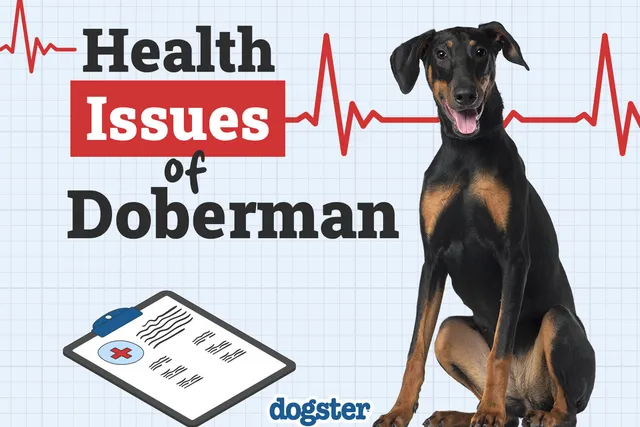
This is a genetic disorder. Therefore, it is most common in specific breeds that seem to be carriers of the disease. Doberman Pinschers are the most affected by this disease, with as many as 70% of dogs being estimated as carriers of this disease, Type 1. Luckily, most Doberman Pinschers usually display only a mild to moderate risk of bleeding.
Shetland Sheepdogs, Chesapeake Bay Retrievers, and Scottish Terriers are most likely to have a severe form of this disease, Types 2 and 3.
Signs
Many dogs with vWD never show signs of this disease. Others may randomly bleed from their nose, bladder, and oral mucous membranes. Prolonged bleeding sometimes occurs after the dogs experience a wound. This may also occur after surgery. Sometimes, no abnormality is noticed until the dog undergoes surgery, which is often either spaying or neutering.
Basically, the signs of this disease are excess bleeding, which can occur with or without any obvious trauma.
Diagnosis
This condition is typically suspected after performing a buccal mucosal screening in the vet’s office. If the dog bleeds excessively during this test, then it may raise the vet’s suspicion that there is a clotting disorder going on, especially if the breed is a known risk.
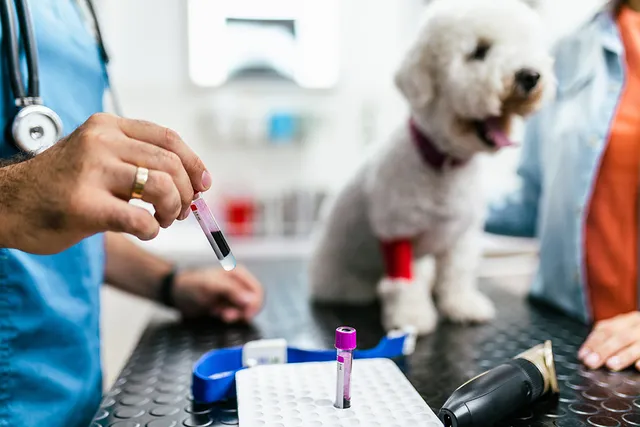
If this test comes back positive, the vet will often ask for a blood test to determine the exact amount of von Willebrand factor present, which can be accurately determined through laboratory testing. If this test comes back positive, then the dog is diagnosed with the disease.
Some dogs do not experience any signs until later in life, so a negative or borderline result on a test doesn’t necessarily mean that the dog is not affected.
Reducing a Dog’s Risk

There are several precautions that can be taken to reduce a dog’s overall risk for bleeding when they have this disease. For instance, certain medications can affect the platelet count or function, which can make bleeding worse for the dogs affected. Risk-reward assessments must be done by a veterinarian before prescribing any of these medications. Affected dogs may require a blood transfusion if severely affected or specific placement of bandages.
Reducing the likelihood of injuries and trauma and setting up a plan with your vet in case of any necessary surgical procedures is crucial in minimizing the risks of bleeding.
Treatment
In an emergency situation, a blood transfusion may be necessary to stabilize a bleeding patient. Sometimes, if the blood is specifically collected for dogs with vWD, the donating dog may be treated with a drug that raises the level of the von Willebrand factor in their blood, which can further help the receiving dog.
Some dogs with vWD can be given drugs that increase the amount of von Willebrand factor in their blood. However, the success with this varies widely. Some dogs are hardly affected at all by these drugs, while it may be all that others need. However, it is not recommended to use this drug on a regular basis, as it has not been studied for long-term use and it is often expensive.
Canine Thrombopathia
This condition has been identified in Basset Hounds. The inheritance is complicated, but it is recessive. Both parents have to pass on the gene for the puppies to be affected. These dogs often experience many of the same signs as dogs with vWD. However, they have normal platelet counts and von Willebrand factor.
To diagnose this disease, specialized platelet function testing is required. Because this disease is most obvious in Basset Hounds, it is typically not considered in other breeds until all other potential diseases have been considered.
Glanzmann Thrombasthenia

Glanzmann Thrombasthenia is a disease that affects platelet aggregation. This prevents the dog from clotting properly, despite usually normal platelet numbers, which can cause them to bleed excessively. Platelets need to “aggregate” (aka stick together) in order to clot. Dogs with this disease can’t do this properly.
This leads to easy bruising, excessive bleeding from gums, and from the nail quickly after nail trimming. This is a difficult disease to diagnose, as they don’t necessarily show signs until they are injured. Dogs may go quite a while before they are diagnosed – they may simply not be in a position to bleed excessively.
Genetic tests can be done to diagnose this disease and prevent two carriers from breeding together.
Prevention is key in this disease. You should reduce the odds of your dog bleeding and inform your vet before they undergo any surgeries.
Final Thoughts
Thrombocytopathies range from benign to extremely serious and life-threatening disorders. Many of these conditions are inherited and cannot be cured. Many only occur in certain breeds, though a few are very wide-ranging. vWD is one of the most common, though it can have varying degrees of severity. Not all dogs with the gene are affected, though they technically carry the disease.
Working with your vet is essential for any dog that has a bleeding disorder. Varying treatments are available depending on the specific disease affecting the dog.
See also:
Sources
Featured Image Credit By: ErikaWittlieb, Pixabay
Expert dog care, straight to your inbox
News, insights, expert advice, and everything dog.

No spam — unsubscribe anytime.
By signing up, you agree to our Terms & Conditions and Privacy & Cookies Policy.
How useful was this post?
Click a star to rate. You can leave written feedback afterwards. (We read all feedback.)
Kristin loves to help pet parents create a fulfilling life for their pets by informing them on the latest scientific discoveries and helping them choose the best products for their pets. She currently resides in Tennessee with three cats, four dogs, two fish, and a lizard, though she has dreams of owning chickens one day!