6 Common Health Problems in Weimaraner Dogs: Vet-Approved Health Facts

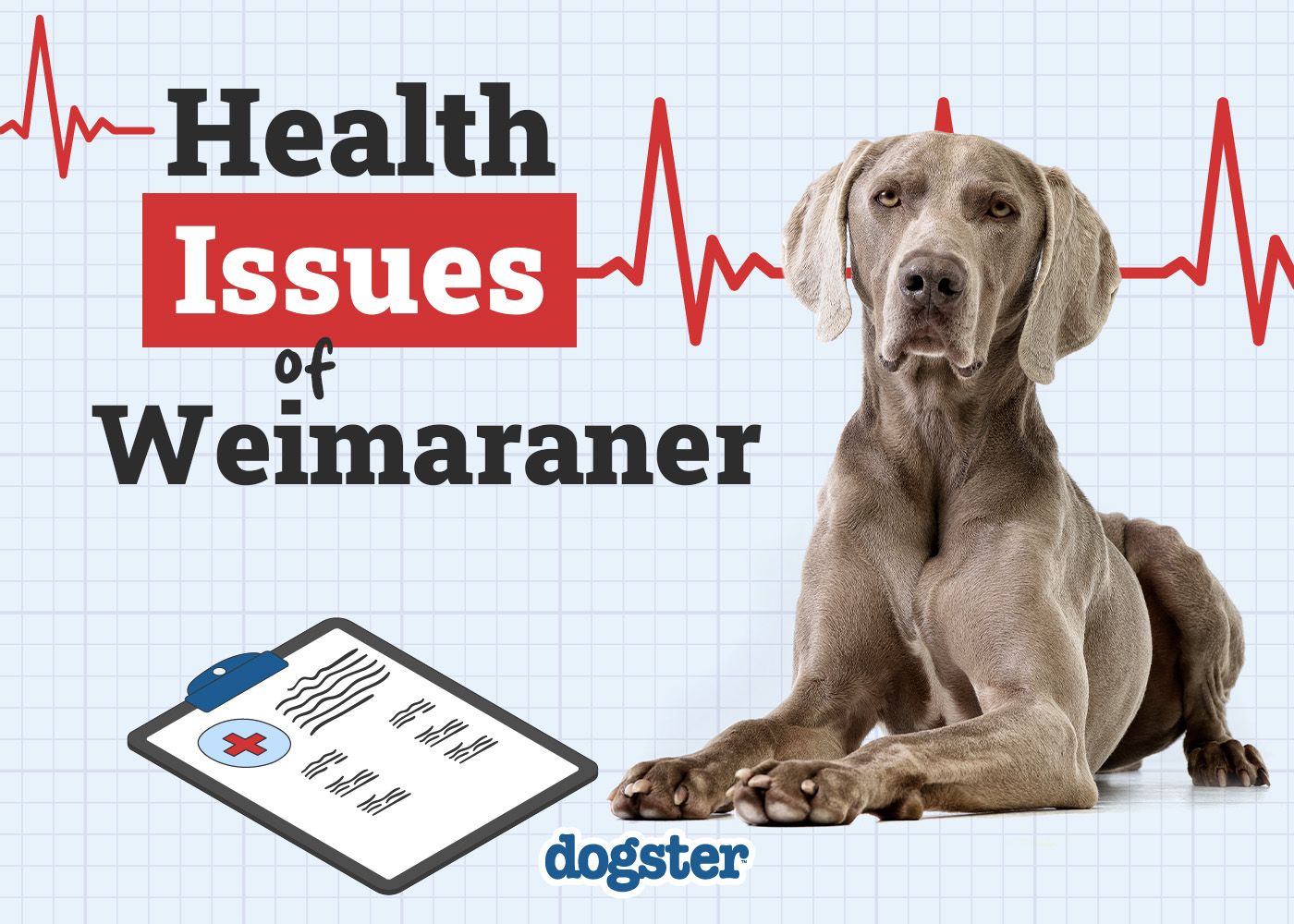
Weimaraners are quite healthy as far as dog breeds go. They were developed largely to be working animals, so health was a primary concern during much of their development.
However, this breed is still prone to certain health issues. Some of these are genetic, which means they can be avoided with careful breeding. This is why it’s vital to work with a qualified breeder when seeking a dog. Other conditions are affected by environmental factors, so how you raise your puppy may affect their health as an adult.

The 6 Common Health Problems in Weimaraner Dogs
1. Hip Dysplasia
As large dogs, Weimaraners are sometimes affected by hip dysplasia. While there is some genetic factor to this condition, diet also plays a role. Hip dysplasia occurs when the ball and socket of the hip don’t grow at the same rate. These growth differences lead to the hip degenerating early in a dog’s life. Often, this condition is diagnosed within the first few years.
If a large breed puppy is fed too much, their growth rate can be affected. Often, this leads to them growing faster than their skeleton is made for, leading to hip dysplasia. However, some dogs may simply develop hip dysplasia even if they are fed correctly. Therefore, it is believed a genetic component exists.
Overexercising a puppy can also lead to excessive joint degeneration. Therefore, it is never recommended to exercise your Weimaraner puppy too much.

2. Entropion
Weimaraners are a bit more prone to entropion than other dog breeds. This condition occurs when the eyelids roll inward. While this may seem benign, the eyelashes can cause irritation to the eye very quickly. Often, this leads to pain and swelling. Eventually, infection can occur, leading to loss of the eye. Rarely, this condition can be deadly when allowed to progress.
For the most part, this seems to be a genetic condition. There have not been many studies done on potential environmental-related factors, though. Therefore, your best bet is to choose a qualified breeder when adopting your Weimaraner.
3. Bloat
Sadly, bloat is a largely misunderstood condition. It occurs when gases build up in the stomach to a dangerous level. Sometimes, the stomach also flips, cutting off possible exits for the gas. If untreated, bloat can turn deadly in only a few hours. The stomach will swell, cutting off blood flow to the surrounding tissues. Eventually, this leads to the other tissues dying. It’s very painful and constitutes an emergency.
Surgery is almost always needed to re-flip the stomach. Often, the stomach is fastened to the inside of the abdominal wall during surgery to prevent bloat from occurring again.
We don’t know exactly why bloat occurs. You’ll find many arguments for all sorts of different factors. However, studies haven’t actually confirmed any of these. For this reason, our recommendation is to learn the signs of bloat so you can act if your dog develops it.
These signs include:

4. Hypertrophic Osteodystrophy
This condition doesn’t occur as often in Weimaraners as in some other breeds, but it still occurs more often than in the general population. It occurs when a dog’s bones grow excessively. It’s a developmental disorder, meaning it is often diagnosed in puppies. Sometimes, it can be diagnosed when the dog is only a couple of months old (and therefore, before they are adopted).
Males seem to be at a higher likelihood for this condition, though experts aren’t sure why. This condition often affects the largest bones the worse. However, the dog’s jaw and vertebrae can also be affected. Often, this condition is painful, and most signs are pain responses, such as limping and yelping. These signs are similar to those of hip dysplasia, but diagnostic tests (like X-rays) can tell them apart.
There is likely a genetic component to this condition. However, there is no genetic test to check for it. Therefore, it is harder for breeders to avoid.
Seek veterinary advice if you’re concerned about your pet’s well-being.
5. Panniculitis
Panniculitis occurs when inflammation develops in fat-containing tissues. It is an uncommon condition overall and often occurs when bacteria develop under the skin. However, there are other causes.
There is a “sterile” form of the condition, which occurs without an underlying infection. Sometimes, this can be due to medications or a different underlying condition. However, in many cases, the cause of this disease isn’t understood.
We don’t understand exactly how this disease is inherited. However, it does seem to be inherited to some extent, as it runs very clearly in certain breeds. It occurs most often in Weimaraners and Dachshunds. There is no genetic test, and the most of inheritance isn’t understood. Therefore, it is more difficult for breeders to protect against this condition.

6. Von Willebrand’s Disease
This bleeding disorder is a genetic condition that is found in both people and dogs. It causes the dog to produce fewer platelets than needed, which leads to less clotting. This disease is quite complicated. It does appear to be genetic, as it seems to affect some breeds worse than others, affecting Doberman Pinschers the most. However, not all dogs with the genetic code for the disease actually develop signs (the reason for this is unknown).
Often, this disease is discovered during a routine surgery or vet procedure. Luckily, this means the dog often survives the first instance of serious bleeding. Once the dog is diagnosed, it is often straightforward to manage this condition. If the dog starts bleeding, visiting the vet quickly is often recommended. When the disease first presents itself outside of the vet's office (such as during a minor injury), the owner may not get the dog to the vet fast enough.
Of course, this condition does make a lot of things potentially deadly for affected dogs. For instance, surgeries are much more dangerous in dogs with this bleeding disorder, as they will bleed more during the procedure.
Conclusion
The Weimaraner tends to be a healthy breed. Most of these dogs never develop a serious genetic condition. However, some genetic conditions are still prevalent in this breed. Qualified breeders can often test for and avoid these. Carriers for certain conditions may also be tested, and two carriers should not be bred together.
However, other conditions are more difficult to avoid. No one knows why bloat occurs, for instance, which means that preventing it is practically impossible.
Your best option is to choose a qualified breeder who avoids as many genetic issues as possible. Then, learn about the signs of other conditions so they can be caught and treated early.
See also: Incredible Weimaraner Colors & Patterns
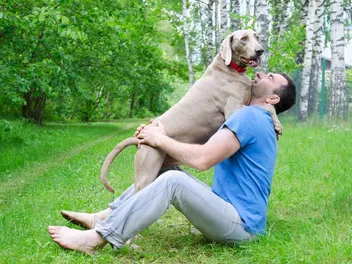
Featured Image Credit: Nejron Photo, Shutterstock
Expert dog care, straight to your inbox
News, insights, expert advice, and everything dog.

No spam — unsubscribe anytime.
By signing up, you agree to our Terms & Conditions and Privacy & Cookies Policy.
How useful was this post?
Click a star to rate. You can leave written feedback afterwards. (We read all feedback.)
Kristin loves to help pet parents create a fulfilling life for their pets by informing them on the latest scientific discoveries and helping them choose the best products for their pets. She currently resides in Tennessee with three cats, four dogs, two fish, and a lizard, though she has dreams of owning chickens one day!