Von Willebrand's Disease in Dogs: Vet-Approved Signs, Care & Treatment


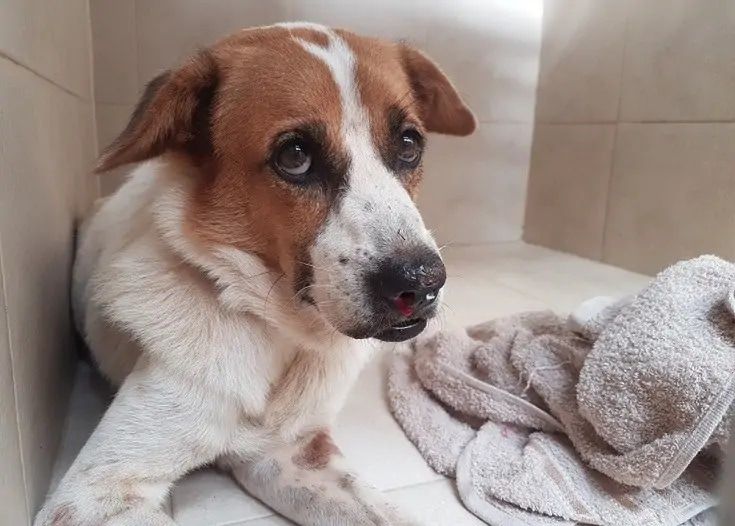
Von Willebrand's disease (vWD) in dogs is characterized by a deficiency in particular proteins used to help platelets stick together. This complex of proteins is called the von Willebrand factor.1 Without this protein, platelets have a hard time sticking together and forming clots, which can cause bleeding problems. Dogs with this disease often bleed excessively, even with minor wounds. Obviously, this can cause severe clotting problems and even potentially death.

What Causes Von Willebrand's Disease?
This is a genetic disease that is inherited. The exact inheritance patterns differ from breed to breed, and there are many breeds affected. Several genetic mutations have been identified, and these mutations are associated with three different types of the disease. All males and females carry two von Willebrand's factor genes, which code for the von Willebrand’s factor that helps platelets stick together. One abnormal gene may cause slight bleeding problems, though they are typically minor. Those with two abnormal genes usually have the most problems.
It is important for breeders to screen for this genetic condition in the predisposed breeds to ensure that no affected puppies are produced. In some breeds, there is such a large portion of the breed that is affected that it is difficult to avoid this disease altogether. However, by knowing if the parents carry the abnormal gene, you can prevent the puppy from having severe disease.
Dogs that test in the normal range for this protein are ideal for breeding programs and often used in most breedings. However, it can be difficult to determine which dogs are affected by this disease very minorly and which aren’t affected at all. Therefore, the puppies should be watched to ensure that the original tests for the parents are accurate.
Over time, producing unaffected puppies will result in eliminating the disease from bloodlines. This takes quite a bit of work and testing by breeders. However, it is necessary to eliminate this sadly very common disease.
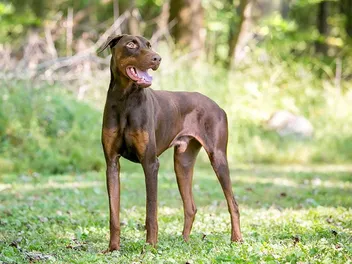
Because this is a genetic disease, certain breeds are more likely to be affected than others. Doberman Pinschers are the breed most commonly affected, but they usually suffer from a mild to moderate bleeding risk. A high proportion of Dobermans are thought to be affected by this disease.

Types
There are three different types of this disease. While they are all manifested by clotting problems, the severity largely depends on what form of the disease your dog has.
Signs

The signs of this disease involve the dog being unable to clot properly. Often, this shows itself in a variety of ways. Dogs aren’t always diagnosed right away, especially if they haven’t been involved with anything that would cause trauma. Sometimes, these dogs aren’t diagnosed until they need surgery, at which point the vet notices their inability to clot properly.
The signs can be mild or severe. Sometimes, they can result in death if the dog is not treated quickly. A dog may also carry the trait without actually showing any bleeding problems, though they may show up later. This is one reason breeding can be difficult. One parent can test completely fine while still carrying this disease.
Dogs with severe versions of this disease may randomly bleed from the mouth, nose, urinary tract, and digestive tract. Uncontrolled bleeding may also happen after and during surgery. Simple things like teething and dewclaw removal can cause severe bleeding.
Infections may cause bleeding to get worse, as well as certain medications and disorders. It is important to get these things checked promptly to ensure that the problem isn't exacerbated.
Sometimes the dogs bleed or bruise excessively after routine surgery, like spaying or neutering. Symptoms may only be noticed after one of these surgeries.
Diagnosis

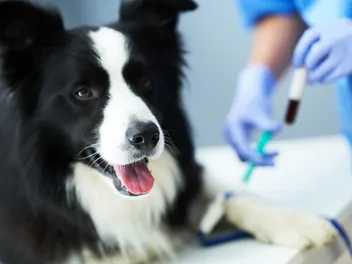
Several tests can be carried out to help diagnose this condition. Your vet may perform a quick test called “buccal mucosa bleeding time” before surgery if your dog is a predisposed breed and they have not been screened for the disease in any other way.
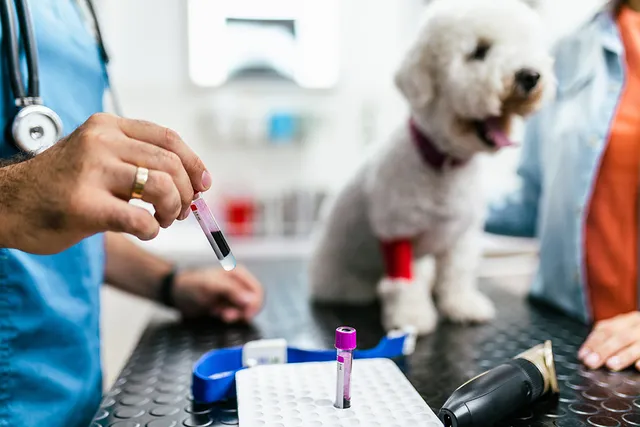
A common blood test that can be performed measures the amount of von Willebrand factor in the dog’s blood. The results help classify a dog as normal, borderline, or anormal.
| DIAGNOSTIC RANGE | VON WILLEBRAND’S DISEASE TRAIT | RISK OF BLEEDING | RISK FOR TRANSMITTING THE DISEASE |
| NORMAL | Clear | Low | Low risk for transmitting |
| BORDERLINE | Unknown Carrier or Clear | Low | Further testing is necessary |
| ABNORMAL | Carrier | Possible | Risk for transmitting an abnormal gene |
This test can be a bit expensive, however. For this reason, vets will often perform a buccal mucosal screening first in their office. If the dog bleeds excessively during this test, it is possible that they have the disorder, and the vet will likely suggest further testing.
If the symptoms were first noticed during surgery or trauma, the vet might skip this testing, as it may be obvious that the dog has vWD.
Even if the dog has undergone simple procedures and recovered fine, it doesn’t necessarily mean that they don’t have this disorder. Some dogs don’t show symptoms until they are much older. Therefore, dogs that test borderline may have blood clotting problems later in life. This can make breeding particularly complicated since dogs with no symptoms may actually carry one of the genes.
Genetic testing is also possible for many of the breeds that are commonly affected. Sampling is easy and painless, and it can be done at home. The results indicate if the patient is clear, affected, or if they are carriers. This test is highly recommended before breeding.
Like we previously discussed, dogs may not show symptoms until later. With that said, it can be important to identify dogs that carry this condition before having surgery.
If you are concerned about the health and well-being of your pet, seek veterinary advice for the best course of action.
Treatment
If a dog is experiencing acute bleeding, a blood transfusion is often recommended. Fresh frozen plasma may also be used to stabilize a bleeding dog.
If a dog is experiencing minor injuries, a vet can stop the bleeding with the use of sutures or bandages. The best approach is prevention. If you know your dog is affected by the disease, you should be very cautious about potential injuries.
Final Thoughts
This serious clotting disorder can’t be cured but is generally manageable. However, it can be serious if no precautions are taken and the bleeding is not treated promptly. This disorder can be both minor and extremely serious, depending on how the dog is affected. It is extremely common. In fact, it is the most common genetic bleeding disorder in dogs.
This disorder causes excess bleeding. This can obviously be a problem for dogs when they become injured or have to undergo surgery. Your vet can answer all your questions regarding this genetic disease in your particular dog and can guide you through all the steps to be taken if you suspect your dog might be affected by von Willebrand’s disease.
Related Read: Thrombocytopathies in Dogs
Featured Image Credit: W_NAMKET, Shutterstock
Expert dog care, straight to your inbox
News, insights, expert advice, and everything dog.

No spam — unsubscribe anytime.
By signing up, you agree to our Terms & Conditions and Privacy & Cookies Policy.
How useful was this post?
Click a star to rate. You can leave written feedback afterwards. (We read all feedback.)
Kristin loves to help pet parents create a fulfilling life for their pets by informing them on the latest scientific discoveries and helping them choose the best products for their pets. She currently resides in Tennessee with three cats, four dogs, two fish, and a lizard, though she has dreams of owning chickens one day!