13 Common Labrador Health Issues to Look Out For: Vet-Verified Guide


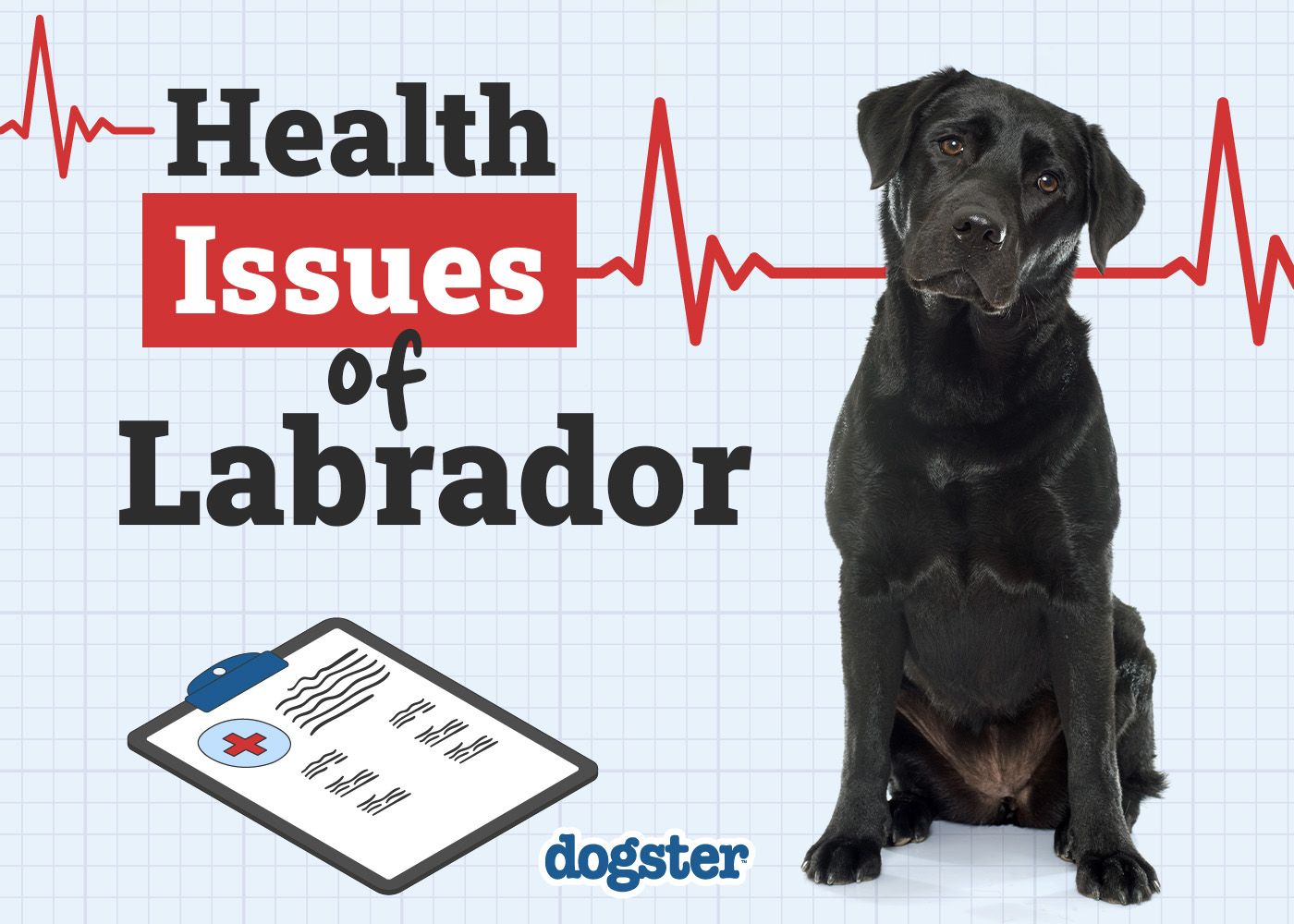
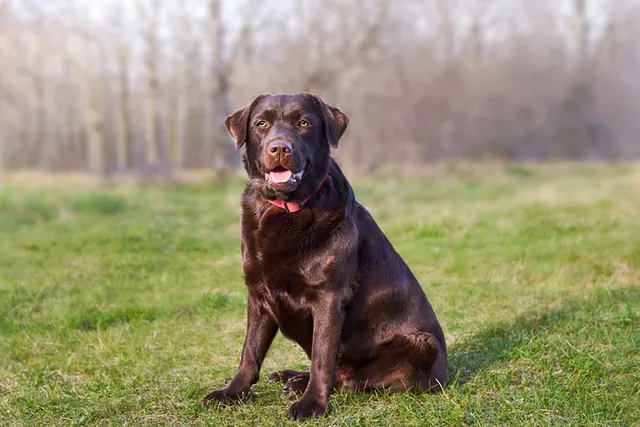
Labradors are among the most popular dogs and make excellent family pets and great companions. They are always there to put a smile on your face and never fail to entertain you. What happens when your furry friend is feeling under the weather? There are several medical conditions that Labradors may experience. In this article, you'll learn more about the issues your pup may face and what can be done about them.

The 13 Common Labrador Health Issues
1. Luxating Patella
When a dog is suffering from a luxating patella, their kneecap does not stay in the correct position. It is a common condition, but it's especially prevalent in Labrador Retrievers. When the kneecap shifts away from its proper place, it usually moves inward toward the inner side of the knee. Occasionally, the kneecap will shift outward, but that is less common. The signs of a luxating patella include limping, skipping gait, standing in a bow-legged stance, hunching the lower back, or clunking sounds when the leg is bent. Sometimes, your dog may make a pained noise when the injury has occurred, but other times, they may not show any discomfort.
Treatment

2. Distichiasis
Distichiasis occurs when an eyelash grows from an abnormal place on the eyelid. When this happens, the eyelash may contact and damage the eye, specifically the cornea or conjunctiva. If your Lab struggles with this condition, they can experience constant eye rubbing, a twitching eyelid, an overflow of tears, increased blood vessels inside the cornea, and possibly even corneal ulcers.
Treatment
3. Canine Hip Dysplasia
Canine hip dysplasia occurs during your dog’s growth stages and results in an improperly formed hip joint on one or both sides. This can lead to pain and poor operation of the joint. Eventually, it can result in other conditions, such as arthritis and muscle atrophy. Hip dysplasia is thought to be caused by a combination of genetics, nutrition, and exercise in a young dog.
Signs of hip dysplasia include limping, cracking sounds from the joints, skipping when running, struggling to stand, awkward sitting positions, and difficulty climbing stairs.
Treatment

4. Osteochondritis Dissecans
When cartilage at the end of a bone is malformed during joint development, it may become diseased and tear from the bone. This is an inflammatory condition that occurs known as osteochondritis dissecans (OCD or OD). It may impact the elbow, hip, or knee, but the shoulder is the most common location.
If you think your dog may have this condition, look for signs of lameness, limping, or swelling and heat at the site of the joint.
Treatment
5. Exercise-Induced Collapse
It won’t be hard to guess if your Lab has suffered from exercise-induced collapse. If your pet has suddenly collapsed after a significant amount of activity or excitement, it could be the cause. Depending on the dog, exercise-induced collapse can be a chronic or random issue, but it's not difficult to interpret the warning signs before the collapse.
Key indications that your pup isn’t well are an unsteady or forced gait, weak rear limbs, and a lack of coordination. If these signs are ignored, your dog can collapse and experience mobility issues.
When this happens, most dogs are alert. However, some may be dazed. After the collapse, the signs may worsen for a few minutes before recovery.
Treatment

6. Diabetes
Diabetes can affect dogs just as it affects humans. It cannot be cured, but it can be managed. Insulin-deficiency diabetes occurs when your pup cannot create enough insulin, and insulin-resistant diabetes happens when your dog’s body cannot use the insulin as it should.
Signs may include extreme thirst, increased urination, weight loss, and a higher appetite. If the diabetes is advanced, other effects can include a loss of appetite, less energy, depression, and vomiting.
Treatment
7. Muscular dystrophy
If your dog has muscular dystrophy, they inherited it from one of their ancestors. The genetic disease causes irregularities in the structure and function of the muscles. Signs that your dog may have muscular dystrophy are an awkward gait, a lower tolerance to activity, and a loss of muscle mass.
Their bones may protrude more than a normal dog’s, making the spine, ribs, and skull more prominent. The dog’s appetite can also be affected if the esophagus does not process food properly.
Treatment

8. Tricuspid Valve Dysplasia
Tricuspid valve dysplasia is a congenital heart defect caused by the irregular development of the tricuspid valve. When the valves do not close properly, blood can leak through them in the wrong direction. A vet may recognize the condition if they can detect a heart murmur. The valve dysplasia could go unnoticed until the heartbeats become irregular or the dog displays signs of heart failure.
Treatment
9. Entropion
Entropion occurs when the eyelid turns inward, which causes the eyelashes to scratch against the eye’s cornea. Among dogs, it is the most prevalent eyelid condition. Signs of entropion include teary eyes, mucus or pus discharge from the eyes, discomfort, and redness. Your dog also may try to keep the afflicted eye closed.
Treatment

10. Progressive Retinal Atrophy
Progressive retinal atrophy (PRA) is a serious condition. It occurs when several degenerative conditions impact photoreceptor cells in the eye. The cells break down over time and will eventually cause blindness.
The signs are difficult to discern, but you may notice your pet growing anxious at night, becoming apprehensive about dark places, or crashing into objects or people when there is little light. Their eyes may be much more reflective in light, and the pupils may be more dilated.
Treatment
11. Hot Spots
Hot spots are sores on the skin that have become inflamed when your dog scratches. They ooze and contain pus, and they often occur on the head, legs, and hips. Hot spots are painful, irritating, and smelly. If you notice your dog licking or scratching a particular spot frequently, they may have a hot spot. Check the area (it may be hidden by fur) for a sore red area of moist dermatitis.
Treatment

12. Hypothyroidism
Hypothyroidism is when the thyroid is not as active as it should be, leading to reduced metabolism. The condition has two leading causes: lymphocytic thyroiditis and idiopathic thyroid gland atrophy. Lymphocytic thyroiditis is believed to be an auto-immune disease in which the immune system mistakenly recognizes the thyroid as a foreign object and attacks it.
For idiopathic thyroid gland atrophy, tissues in the thyroid are replaced with fat tissues. Signs of hypothyroidism include weight gain, lethargy, intolerance to the cold, increased shedding, abnormal dark spots in the skin, excessive skin and ear infections, inability to grow fur, higher blood cholesterol, and a slower heart rate.
Treatment
13. Cataracts
Like humans, your dog can develop cataracts. They develop when proteins in the eye form into a cloudy substance in the lens, making vision difficult or impossible. If you notice a cloudiness in your dog’s eyes, or they are bumping into things more often, take the dog to see the vet for an eye inspection. Your vet can determine if they have cataracts.
Treatment
Conclusion
Although you cannot protect your Labrador Retriever from every condition we discussed, you can reduce their chances of suffering from one by providing a healthy diet, daily exercise, regular veterinary checkups, and plenty of love. You can also speak to your veterinarian for diet tips, grooming instructions, and everyday care advice. With your vet's help, you can ensure your incredible Lab lives a long, happy life.
See Also:
Sources
https://www.petmd.com/dog/conditions/musculoskeletal/c_multi_patellar_luxation
https://www.petmd.com/dog/conditions/eyes/c_dg_trichiasis_distichiasis_ectopic_cilia
https://vcahospitals.com/know-your-pet/femoral-head-ostectomy-fho-in-dogs#
https://www.petmd.com/dog/conditions/musculoskeletal/c_dg_hip_dysplasia#hip-dysplasia-dogs
https://vetmed.umn.edu/research/labs/canine-genetics-lab/genetic-testing/exercise-induced-collapse#
https://vcahospitals.com/know-your-pet/progressive-retinal-atrophy-in-dogs
https://vcahospitals.com/know-your-pet/hypothyroidism-in-dogs
Featured Image Credit: My July, Shutterstock
Expert dog care, straight to your inbox
News, insights, expert advice, and everything dog.

No spam — unsubscribe anytime.
By signing up, you agree to our Terms & Conditions and Privacy & Cookies Policy.
How useful was this post?
Click a star to rate. You can leave written feedback afterwards. (We read all feedback.)
Nicole has loved animals of all sizes her whole life so it's no wonder she has dedicated her career to helping them through what she loves best: learning, writing, and sharing knowledge with others. She’s the proud mom of two dogs, a cat, and a human. With a degree in Education and 15+ years of writing experience, Nicole wants to help pet parents and pets around the planet to live happy, safe, and healthy lives.