How to Introduce a Dog to a New Home: 8 Vet Approved Tips


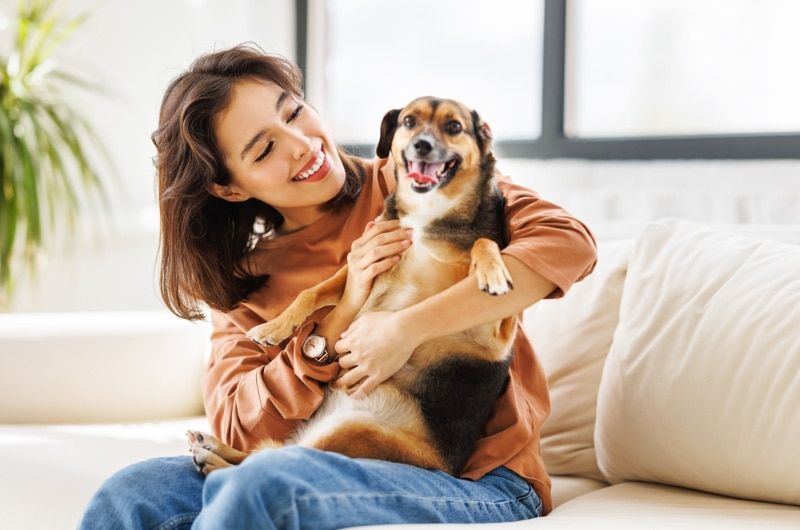
Moving to a new home is never easy, but it's also a tricky time for non-human family members. We know that it's all for the best and that our stress will pass once we start to settle in, but we can't explain to our dogs what's happening, so the sudden change in environment and routine can be quite an ordeal for them.
Preparing in advance and having a plan in place for introducing your dog to their new home can make things less traumatic for both you and them, so read on for some tips and tricks.

The 8 Tips to Introduce Your Dog to a New Home
There are ways to create positive associations around your new home for your dog when you arrive, but you can start preparing them for upcoming changes before you even move in.
Here is a brief checklist of useful items for helping your dog prepare for the move and transition to life in their new home and some tips on preparing in advance and what to do on moving day.
Useful Items
- Leash and harness
- Familiar items (like your dog's bed)
- Treats
- Toys
- Pheromone diffuser (optional)
1. Prepare in Advance
In the weeks leading up to the move, your dog will suss out that something big is happening because they'll see you packing and pick up on emotions like stress and anxiety. Working to keep your own emotions in check and talking to your dog in a calm, soothing voice during this time can help put them at ease, even if they can't understand what you're saying.
While you're packing boxes, try to keep the environment calm to avoid stressing out your dog too much. Allow your dog to sniff the boxes if they feel like it and reward them with a treat when they do so to create positive associations. Avoid placing loads of boxes in areas where your dog likes to rest and unwind. Here are some other ways to prepare in advance:

- Prepare some of your dog's favorite supplies to make available straight away when you move in, like their bed. This offers a sense of familiarity. Set these apart from packed items.
- Reduce your dog's stress with play sessions and plenty of exercise.
- Pack your dog's supplies last so they keep a sense of routine.
- Stick to the usual routine in terms of walking and feeding times. This gives your dog a sense of security.
- Moving is messy, there's no doubt about it, but while you're packing, try to keep your current home looking as much like it usually does as possible by storing boxes out of the way in specific rooms and picking up things that are lying around.
- If possible, walk your dog in the new neighborhood or even in and around your new home before you move in.
2. Consider a Petsitter
If possible, consider having someone take care of your dog on the day you move to eliminate the stress they'll likely feel at seeing movers hauling boxes around. This tactic also gives you peace of mind that your dog won't slip out of a door left open as boxes are brought in.
When the movers have gone, set up an area in the home containing your dog's favorite supplies so they'll be able to smell something familiar when they return.
3. Give Your Dog Space
If getting a pet sitter isn't an option, when you arrive at the new house, put your dog in one room in the new home with some familiar items (like their bed and a chew toy) until the movers (or you) have finished bringing all the boxes in. Check up on your dog regularly and talk to them in a calm but upbeat voice. Make sure they’re happy and calm by giving them a chewy treat or a favorite toy.

4. Let Your Dog Explore
When you're ready to show your dog their new home, let them explore at their leisure. Hopefully, some familiar furniture items will already be placed, which carry a familiar scent. You might want to leash your dog while giving them the grand tour to make sure they don't pee somewhere or chew things they shouldn't—dogs sometimes do these things when exploring a new environment. Talk to your dog in a cheerful voice and offer treats as you walk around to send some positive vibes their way.
5. Stick to a Routine
Try to keep your dog's routine the same as it was in your old home. Walking and feeding them at the same times as usual will help dispel some of your dog's insecurity about the new environment. It's also a good idea to feed your dog in the same room as you did before. For example, if you fed your dog in the kitchen before, the new kitchen is the best place to feed them now.

6. Provide Enrichment
In the first few days and weeks, get in plenty of play sessions and opportunities for mental stimulation to help your dog release pent-up energy and feel more relaxed. Your dog will derive comfort from spending time with you and having fun, so although you're busy, remember to take some quality time with your pooch.
7. Consider a Calming Diffuser
Some people use dog pheromone diffusers to help calm their dog's nerves during challenging times. Dogs naturally produce pheromones, which are chemical signals that act as a form of communication within the species.
Dog diffusers are designed to release synthetic pheromones similar to the natural kind that help dogs feel calmer, so it might be worth trying one out in your new home. That said, not every dog will be sensitive to the diffuser's effects.

8. Update Their Details
It’s possible that in the process of moving house or shortly afterwards your dog may escape. If this happens, they should have up to date identification that makes it easy to get them back to you. Make sure they have an I.D. tag with up to date contact information. Update their registration/ microchip details and update your contact information with your veterinarian. If moving far away, it might be worth taking your dog into the new vet practice and registering their details.
Final Thoughts
Dogs settle into new homes at different paces; while some make themselves at home quickly, others can take a few days or weeks to feel at ease.
It's essential to be patient with your dog during this time, provide plenty of attention and enrichment, and try to keep routines the same as in your old home. This can go a long way toward helping your dog feel more confident and comfortable during this time of change.
See also:
Sources
Featured Image Credit: Evgeny Atamanenko, Shutterstock
Expert dog care, straight to your inbox
News, insights, expert advice, and everything dog.

No spam — unsubscribe anytime.
By signing up, you agree to our Terms & Conditions and Privacy & Cookies Policy.
How useful was this post?
Click a star to rate. You can leave written feedback afterwards. (We read all feedback.)
Kit Copson is a freelance writer and lifelong animal lover with a strong interest in animal welfare. She has parented many furry beings over the years and is currently a proud cat mom of two—one very chilled (unless hungry) Siamese and a skittish but adorable Domestic Shorthair—and dog mom of one—an adopted Bichon Poodle cross. When not writing about or spending time with pets, Kit can be found drawing in her sketchpad, reading, or more often than not, drinking tea.