How to Rehome a Dog That Bites: Vet-Approved Guide



In this article
The decision to rehome a dog is always a difficult one. Most people take on a dog because they love animals and they want to provide a wonderful, loving home for the dog. They also want a companion that will become part of the family.
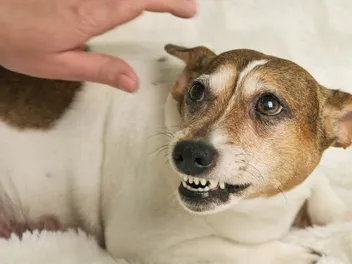
However, it doesn’t always work out to be the romantic ideal that we hope for. That cute puppy you brought home may become reactive or show signs of aggression. In the worst-case scenario, the dog may even bite a member of the family or somebody else. When this happens, you have to take stock of the situation and determine what is best for you, for other people, and for the dog. Rehoming may not always be the best option.

Determine the Likely Cause of the Bite
Dogs bite for different reasons. Sometimes, they bite as a form of defense. Or they bite because they have become stressed. It could even be a sign of pain or some other problem. Before you consider rehoming or taking any other action, try to determine the most likely cause of the bite.
Whether you are going to rehome the dog or try to find a shelter that will take the dog, you must provide this information to the prospective new handlers. If you don’t, and the dog bites again, it is your responsibility.
How Severe Was the Bite?
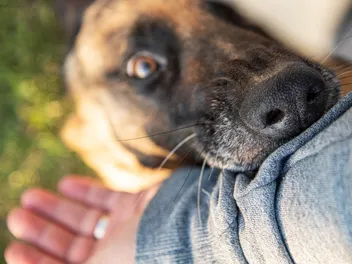
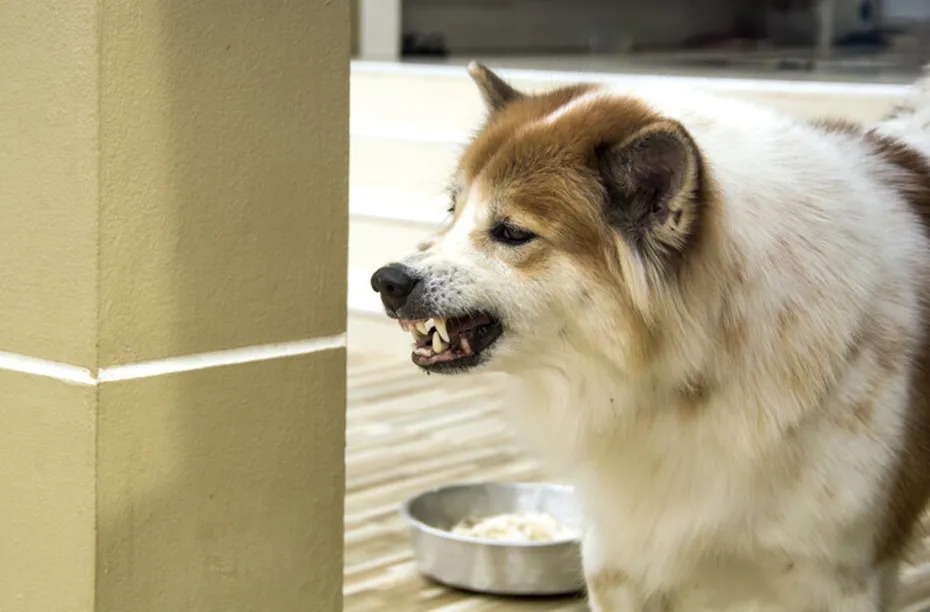
Bite is a fairly broad term. Most puppies mouth, and some breeds as well as individual dogs continue this mouthing action even when they get older. And if the dog gets over-excited, that mouthing can become biting. If your dog mouths at a child, it will be much more likely to cause serious damage because of the size and height of the child.
If the bite was over-exuberant mouthing, then a behaviorist or dog trainer could work with you and your dog to help prevent this kind of activity in the future. Using Dr Ian Dunbar’s Dog Bite Scale can be helpful when assessing the severity of biting problems.1
What Causes Dogs to Bite?
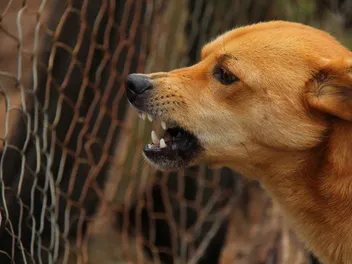
There are various reasons why a dog might have bitten somebody.

Will Rescues Take Dogs That Have Bitten?
Whatever the cause of the bite, you will find it difficult to find a shelter or rescue to take the dog. Shelters need to rehome the dogs they take in so they can take more dogs in and help them. They will find it very difficult to rehome a dog that has bitten, which means they will be stuck with that dog. You can ask around, but always be honest about the reasons for the rehoming.
Could a Behaviorist Help?
Dog behaviorists are trained to deal with aggressive and reactive dogs. They can identify the root cause of the problem and work with you and your dog to help reduce the risk of bites. Speak to a behaviorist, give them the full picture, and see if they can help. This may mean altering your behavior and interactions, as well as those of the dogs.
Screen Potential Families
Rehoming a dog that has bitten is rarely the best option for the dog. It will cause anxiety and stress that could increase the likelihood that the dog will bite again. If you do decide to rehome, you will need to screen potential families. If you have determined that your dog is anxious around children, and therefore likely to snap at kids, don’t rehome to families with children.
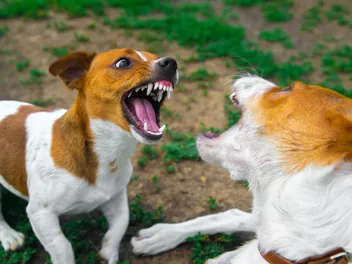
If your dog gets stressed or anxious around other dogs, don’t rehome to prospective owners with other dogs.
It’s irresponsible to rehome a dog that has bitten somebody without telling the new owners of the bite risk. It will make it harder to rehome the dog, but it reduces the risks and any future complications for everybody.
Conclusion
Being bitten by your dog, or having your dog bite somebody else, is heartbreaking. You need to determine the reason for the bite and either work with a behaviorist to try and rectify the problem or find an alternative solution that is best for you, the dog, and everybody else.
You might find it difficult to rehome the dog, even to a shelter, but you should be honest about the reason you’re rehoming. It is often not discussed, but if you feel your dog is a danger to other people and dogs, and that rehoming it is not responsible, it is a good idea to discuss this with your veterinarian. Be prepared that your vet may discuss the possibility of behavioral euthanasia with you if they agree that that is the only option to keep everyone safe.
Featured Image Credit: alexei_tm, Shutterstock
Expert dog care, straight to your inbox
News, insights, expert advice, and everything dog.

No spam — unsubscribe anytime.
By signing up, you agree to our Terms & Conditions and Privacy & Cookies Policy.
How useful was this post?
Click a star to rate. You can leave written feedback afterwards. (We read all feedback.)
Matt is a freelance writer from the UK. He lives with his partner and daughter, as well as two cats and one dog. A data analyst by profession, Matt moved from numbers to words more than 15 years ago and has been writing ever since. Having volunteered at a local animal sanctuary, he has a lot of experience with dogs, cats, and horses. Matt has also kept bearded dragons, a variety of birds, fish, guinea pigs, hamsters, mice, and rats. His daughter has adopted the same passion for animals, keeping and breeding snakes. A geek at heart, Matt is a member of a local board gaming group and regularly forces his family to “enjoy” board games with him at home.