Social Aggression in Dogs: Signs, Causes & Solutions

In this article
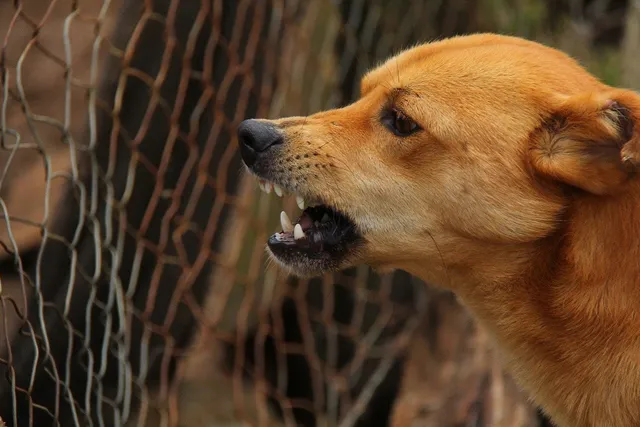
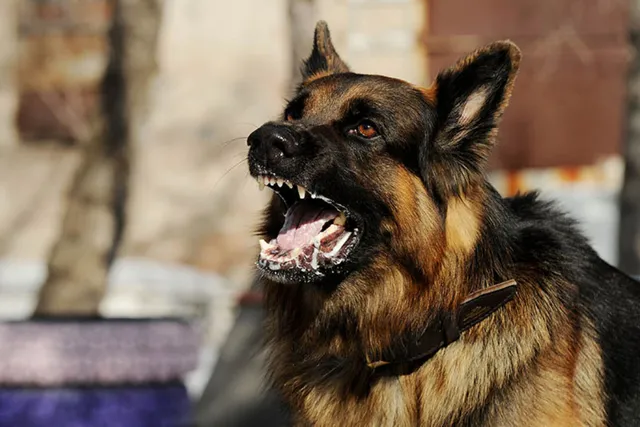
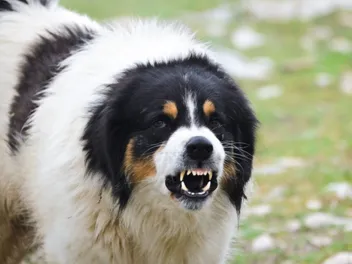
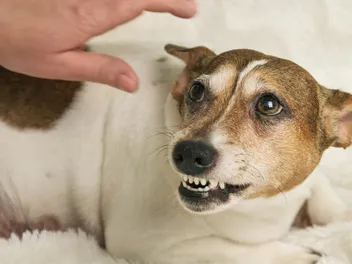
Social aggression in dogs is an unfortunate and often serious consequence of irresponsible pet ownership. Unwanted behavior is not always of this realm, despite the fact that over 70 percent of pets do something we’d rather they did not.1 It could be things that are benign, such as fear of new situations or thunder. Other times, it crosses the line into something unacceptable.
Several things can cause a dog to behave aggressively. It could be acting because of a past negative experience from its past. There are two fear pact stages in a puppy’s life, under 12 weeks and between 3–6 months. Think of yourself as a child. The chances are you have some bad memories of something from your childhood that you still remember as an adult. It’s the same with dogs. Keep reading to learn more about social aggression in dogs and how to stop it.

Causes of Social Aggression in Dogs
Things that may trigger social aggression include:
Pet behaviors can be caused by all kinds of things, but sometimes the source is medical. You can manage veterinary costs with the help of a pet insurance company like Lemonade, which offers adjustable plans and balanced coverage.
The causes may have different implications that are essential to understand. They can also provide a path for correcting the behavior. That is especially critical if you have children or other pets. It is also vital if you live in a neighborhood with households with pets. The last thing anyone wants is a chance encounter that takes an alarming turn.

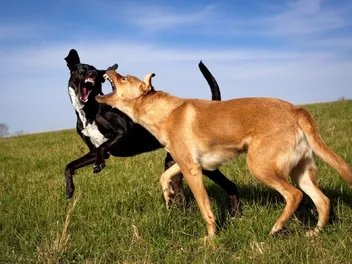
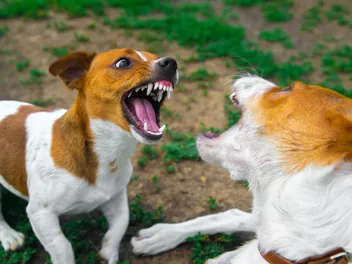
Aggression Against Other Dogs
To understand aggression against other dogs, it’s helpful to begin where social awareness starts in a puppy’s young life. Remember that the young are altricial and unable to navigate their world for the first few weeks. It makes sense, evolutionarily speaking, something you’ll also see in canine relatives like coyotes and wolves.
A few vital transitions occur at this time. The pup figures out what it is and starts to play with its littermates. This time is critical to abating social aggression. That’s why you should wait until a puppy is over 8 weeks old before you buy it and take it home. It also relates back to the fear impact we mentioned earlier. Leaving the litter too soon is quite traumatic and will have a lifelong impact.
Interaction with other dogs is vital for preventing aggression. The pup should meet and greet others of its age and adults, too. That’s part of what makes puppy playtime and doggie daycare so essential. If a dog doesn’t meet others of its kind, it’s likely to act fearful. However, it also goes beyond other canines. It’s being active, going on walks, and encountering new things.
Aggression Against People
During the critical period between 3–12 weeks, a puppy is going to figure out what humans are and begin to form bonds with them. That’s why the same advice about meeting others applies to people, too. Dogs that are fearful or aggressive toward other likely didn’t meet a lot of strangers when they were young.
It’s easy to see how new things and lack of experience can set up the perfect storm for social aggression against people. Many of us reach down to pet a passing pup without even thinking. However, that’s just the thing that can act as a trigger. Children and seniors are most likely to get bit. It’s almost a rite of passage for the former group, with a 50-percent likelihood.


Other Factors Affecting Social Aggression
Some things that can tip the scale one way or another exist both with the pup itself and other aspects of its rearing. Certain dog breeds, such as Chow Chows, are less outwardly social than others, making them almost cat-like in their behavior. You’ll often see it in hunting dogs or other than had a job where they acted independently.
It’s not that they are inherently mean. It’s just that selective breeding encouraged these traits that still persist to this day. One way in which it manifests itself is through a canine’s prey drive. A dog that has hunted or engaged in predator control is more likely to run after a fleeing child than a companion breed. Again, it’s not a question of aggression as much as it is instinct.

Ownership Responsibility
We have to address the elephant in the room that is a significant factor, namely, ownership. Experts often point out that it’s not the breed that is hostile, but instead, it’s how the owner raised the pet. A study published in the Journal of Forensic Science concluded that the anti-social behavior of people went hand-in-hand with vicious dogs.
Abuse is another significant contributor to the likelihood of social aggression. These dogs may act fearful and perhaps more prone to bite, especially if the pup feels cornered. Unfortunately, it’s often seen in rescue pets.
Small Dog Syndrome
We often kid how smaller breeds, such as Chihuahuas, make up for their size with their bark and fearlessness. It may surprise you to learn that some evidence suggests that it is indeed true. A review published by the American Veterinary Medical Association identified small and medium-sized breeds as acting more the aggressors than larger breeds, such as the Golden Retriever.
Undoing the Damage

We’d be remiss if we didn’t say upfront that it’s a long path toward treatment of social aggression. It’s imperative to work with a trainer or a veterinarian who specializes in behavioral problems. We mentioned learning the cause or root of the issue. For example, desensitizing a pet terrified of thunderstorms and remove that trigger to act inappropriately.
Likewise, you can help a pup abused by a male individual to overcome their fear by approaching the situation slowly to create positive associations with boys and men. Treats are a powerful convincer. Sometimes, exposure to new people and places is enough. Many retail stores, such as Lowes and Total Wine, are quite pet-friendly. It’s an excellent way to show your pup that other people are nice, too.
When you are taking your pet outdoors, it’s vital to maintain control over your dog. Using a muzzle on your dog or a shortened leash can help protect everyone during the process. The critical things are consistency and patience. Bear in mind that there may be setbacks, of course. But if you stay the course, it’ll be worth it in the end.

Final Thoughts
Social aggression in dogs is something that’s hard to bear, given our long history with our canine companions. Understanding the situation from your pup’s perspective can give you the insight to improve everyone’s quality of life. It’s imperative to realize that pet ownership is a weighty responsibility. It requires time and effort to give your pooch the life it deserves.
Featured Image Credit: Zadranka, Shutterstock
Expert dog care, straight to your inbox
News, insights, expert advice, and everything dog.

No spam — unsubscribe anytime.
By signing up, you agree to our Terms & Conditions and Privacy & Cookies Policy.
How useful was this post?
Click a star to rate. You can leave written feedback afterwards. (We read all feedback.)
Nicole has loved animals of all sizes her whole life so it's no wonder she has dedicated her career to helping them through what she loves best: learning, writing, and sharing knowledge with others. She’s the proud mom of two dogs, a cat, and a human. With a degree in Education and 15+ years of writing experience, Nicole wants to help pet parents and pets around the planet to live happy, safe, and healthy lives.