What to Do When Your Dog Bites Someone: 10 Vet-Approved Steps


In this article
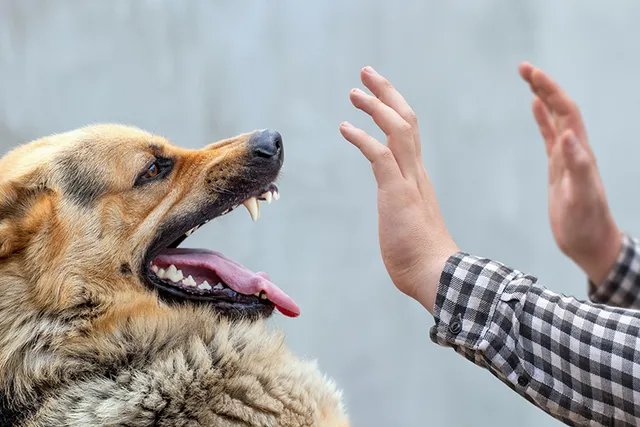
Our dogs are precious to us, but we really can’t anticipate events that can just suddenly happen. A combination of certain circumstances can create enough tension for your dog to bite. Some dogs get spooked, others are fearful, and still others get aggressive in specific situations.
Regardless of the reason that your dog has bitten someone, it is important to take the necessary steps to address the situation.

The 10 Steps to Take When Your Dog Bites Someone
1. Control Your Dog
If your dog has just bitten someone, immediately gain control of your animal. If your dog bit once, they might back off immediately. However, if they are in a defense mode, they might bite again. You will need to gain control of your dog and place them on a leash immediately, to allow the other person space. However, you must also take care not to get injured yourself.

2. Acknowledge the Victim
Who is the victim? Is it a friend? A child? A stranger? It is important to know exactly whom you're dealing with so you know how to navigate the conversation. You'll also need to keep the person calm and assure them that everything will be fine.
Remember to always exchange information and try to stay civil and polite to the victim.
3. Assess the Bite
Every bite is different. Some might simply leave a little redness, while others will break the skin. Some dogs can cause significant injury to a person, so assessing the bite and the person who has been bitten is vital. It is important to make sure that the other person is in good health and that they aren’t bleeding too profusely. If you are concerned that the person has been significantly injured, you should arrange that they are taken to hospital or call the emergency services.
If you have any first aid items on hand, it is common courtesy to offer helpful items to the victim and clean the wound as much as you can. Ensure that you are wearing gloves to clean the wound or allow the victim to clean the wound themselves.

4. Consider Vaccination Status
Has your dog recently been vaccinated? If not, this could pose a problematic issue. When dogs are not vaccinated, they can transmit diseases to humans if they bite. It is important to inform the victim of your dog's vaccination status so they can inform their physician, insurance company, or any other party who needs to know.
5. Trade Detailed Information
If your dog has bitten a stranger, it is important to get all of their details. Phone numbers, insurance cards, and other personal information are necessities before the two of you separate.
If the person was a minor, make sure that you have all of their parents’ information, and be sure to keep in contact through the medical process.

6. Encourage the Victim to Get Medical Care
Even if the victim thinks that they are fine, it is important to encourage them to seek medical attention. If the skin is broken, dog bites can get very infected! Even if they try proper wound care, they may wind up with a nasty infection that requires antibiotics.
7. Discuss Payment, If Necessary
If your dog is responsible for biting someone, you are going to be responsible for paying for any medical treatment. If you refuse, the other party can choose to take you to court to collect payment.
So that things don’t turn ugly, it’s best to be open to negotiation and receptive to the other party to come to a settlement on the matter.

8. Potentially Notify Police
If the attack was bad enough, it is important to consult the police. It is equally important to contact law enforcement if the person is threatening you or your animal or if you feel the victim is making the bite out to be worse than you think it is. A police officer can help mediate the situation and deal with it appropriately.
9. Contact Your Insurance Provider
You may have to contact your insurance provider if you are at fault. Insurance will be a bit different depending on the type of coverage you have. You might be required to file an incident report or other documentation.

10. Follow All Legal Steps
If your dog bites a stranger, there is a possibility that it will turn into a legal matter. This is especially true if someone is adamant about your dog getting put down because they are aggressive.
Unfortunately, once a dog has exhibited aggression, they may face the consequence of euthanasia under the court of law. The likelihood of this depends on a multitude of factors, including the breed of your dog, their previous bite history, and local laws and regulations.
Biting vs. Attacking
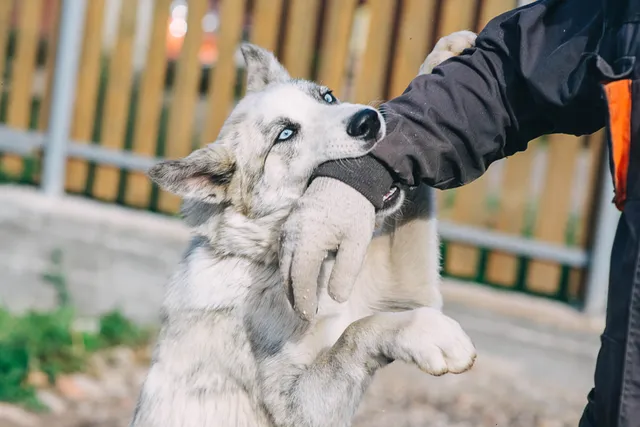
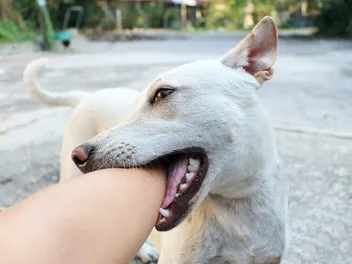
Believe it or not, there is a difference between a dog bite and a dog attack. A dog might bite once out of surprise, worry, or fear. However, an attack is usually thought of as a succession of bites, which can be extremely serious and even fatal.
Often, attacks are reserved for people whom the dog feels are threatening their owner. But sometimes, certain dogs can either get the wrong idea, misread the situation, or are unexpectedly surprised, which provokes a reaction.
Also, if you have a dog that has suffered previous abuse, it can be hard to know all of their triggers. It's often a learning process, so it is important to identify individuals or circumstances that make your dog feel uncomfortable, be well attuned to their body language, and gain control of them before they are in an uncomfortable circumstance.
It is your responsibility as an owner that your dog is not placed in circumstances where they feel that biting is their only escape.


The 5 Solutions to Biting
There’s no simple solution to biting. If your dog has bitten once, it is your responsibility to work with your dog and a veterinary behaviorist to determine what the trigger was and how you will ensure that it doesn’t happen again. Here are some suggestions on ways to keep your dog and members of the public safe.
1. Stay Away From Stimulating Environments
If you know that your dog is sensitive to noise, large groups of people, children, or other triggers, it is important to keep them away from these situations. It’s in the best interest of your dog and everyone around them if they aren’t put in a predicament where they feel like they have to defend themselves.
So, if you already know that your dog is going to react poorly to a particular situation, it’s best to leave them at home. As sad as it might be to leave them behind, it’s better than an accident happening and bigger consequences occurring because of it.
2. Muzzle Train Your Dog
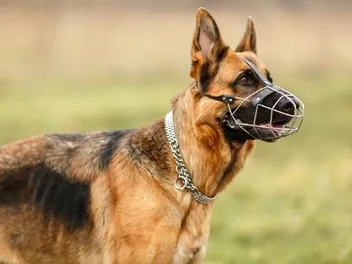
If your dog has bitten someone or is unpredictable in certain environments, it is a good idea to muzzle train them. This is a long-term training aim that will enable you to place a muzzle on your dog without them becoming worried or stressed. The muzzle can then be used calmly if you find that you are in a position where your dog may become anxious and therefore, more likely to bite.

3. Try Behavior Modification Programs
If your dog is reactive, skittish, scared, or aggressive, you should reach out to your vet for recommendations for behavioral specialists who will help you. Sometimes, behavioral training can be a lifesaver when it comes to fear, aggression, and biting.
Some professional trainers will advise that you leave your pet for a week or two to undergo extensive training. Others will encourage owners to stand beside their pet, coming in for daily or weekly sessions to participate.
Participating in your dog’s training will educate you both and allow you to bond over the training experience. If you don’t have the budget for professional training, you can look online for free resources that can be extremely beneficial. Some trainers put out content online, so you can look at these resources for helpful strategies. However, if your dog has acted aggressively, it is strongly advised that you work with a professional to ensure they get the training required.
4. Rehome the Animal, If Needed
Ultimately, certain situations can make it impossible for you to keep your pet. Biting might be among them, especially if finances don’t allow for your dog to get the behavioral help they need. If you live in an apartment complex, your dog might be deemed dangerous, in which case, it might be time to consider rehoming your pet.
If your dog has bitten a child or family member, you might not feel safe with them in the home any longer. Regardless of the reasoning, it is crucial that you rehome the animal as needed. Some rescues and shelters are willing to step in in situations such as these, in order to assist the dog in getting a new, more suitable home.
Sadly, rehoming your pet may not be possible or in some instances, safe. Overcrowding at rescue shelters and the liability that comes with rehoming a dog that has already bitten may mean that you can’t find a suitable place for your dog to go. In these situations, it may be necessary to consider behavioral euthanasia.

5. Consider Behavioral Euthanasia
If your dog has shown extreme signs of aggression in the past and you have tried behavioral modification programs, you might be at the end of your rope. If they have finally shown aggression toward a human or it’s a particularly bad attack, you might be faced with a hard decision of putting your dog down.
No one ever wants to be in this predicament, but sometimes we can’t foresee these events, and it may be the only safe option you have. If your dog does bite, you need to be prepared for the very real possibility that this could be necessary. We hope, as we’re sure you do, that this is never a challenge you’re faced with.
However, when dogs show aggression, especially unpredictable aggression, it is simply a harsh reality we can’t ignore.

Conclusion
Bites are something no pet owner wants to think about, but everyone has to. Even sweet, docile dogs could bite in the right circumstances. It doesn't necessarily mean that your dog is bad or that something is wrong, but accidents do happen. It is important to ensure that you are practicing responsible pet ownership and keeping your dog under control at all times. If you know your dog is reactive to certain stimuli, avoid these situations until you have worked with a trained professional to help them with their behavior.
Sources
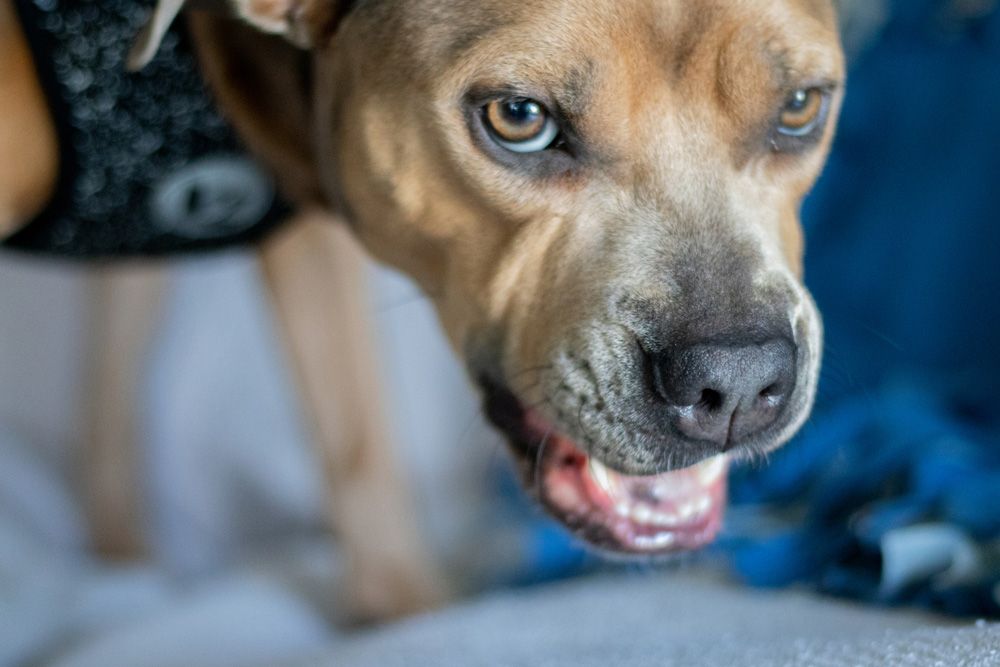
Featured Image Credit: Cheryl Ann Studio, Shutterstock
Expert dog care, straight to your inbox
News, insights, expert advice, and everything dog.

No spam — unsubscribe anytime.
By signing up, you agree to our Terms & Conditions and Privacy & Cookies Policy.
How useful was this post?
Click a star to rate. You can leave written feedback afterwards. (We read all feedback.)
Ashley Bates is a freelance dog writer and pet enthusiast who is currently studying the art of animal therapy. A mother to four human children— and 23 furry and feathery kids, too – Ashley volunteers at local shelters, advocates for animal well-being, and rescues every creature in need. Her mission is to create awareness, education, and entertainment about pets to prevent homelessness. Her specialties are dogs and cats.