My Dog Bit My Child: 7 Vet-Approved Steps to Take


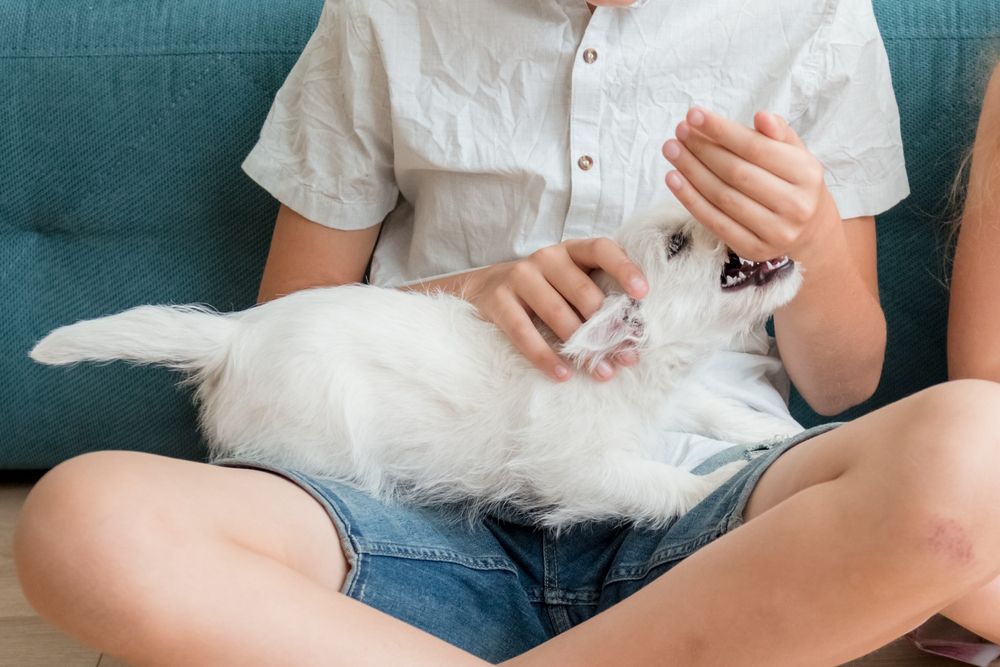
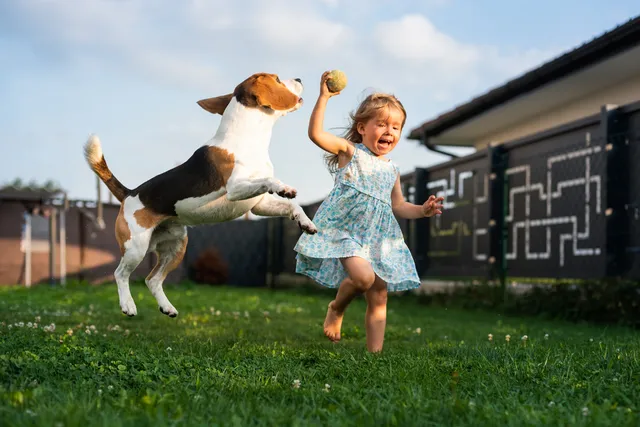
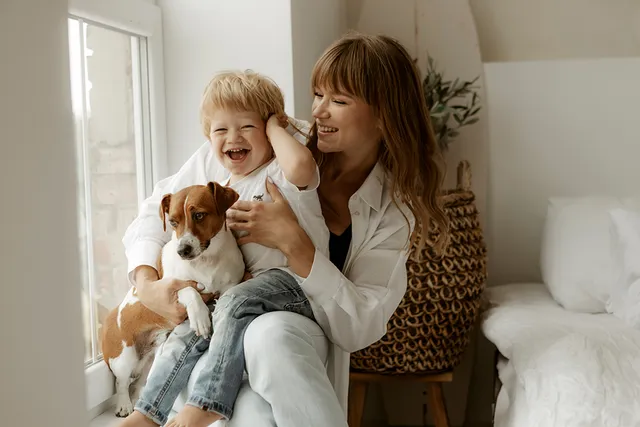
Dogs and children can make a terrific mix. The two are often the best of friends and constant playmates, making for a happy household. But this isn’t always the case. Occasionally, a dog may not be in the mood to play or will want to be left alone; if a child tries to constantly engage them physically, a dog could nip at them and bite them.
What should you do if your dog bites your child? If the worst happens and your pup bites your child, you’re probably scared, concerned, and not thinking clearly. So, take a look at the steps below to find out what you should do in this instance.

The 7 Steps to Take if Your Dog Bites Your Child
When the worst-case scenario becomes a reality, and your dog bites your child, there are a handful of things you should do.
1. Stay Calm
The first thing to remember is that you need to stay calm. Your child is probably terrified and confused, so they need you to be calm and steady. The likelihood is that your dog has nipped your child due to fear or pain (perhaps from a pulled tail), so your dog needs calmness too. If you aren’t calm and careful, you might further provoke your dog into becoming overly protective, exacerbating the situation.

2. Secure Your Pup
Your first instinct is to go to your child, but before you do that, you really should secure your dog. Take them to their crate or put them in another room. Just remove them from the situation.
3. Assess the Bite
Once your dog has been secured elsewhere, you can examine and comfort your child. There are different levels of dog bites, and the severity of the bite will determine your next steps. This bite scale can give you a better idea of what you’re looking at and what to do next. But the next steps will range from first aid to going to the hospital.

4. Administer First Aid
If your child received more of a nip than a bite and the area is just scratched or scraped, you can rinse the wound area well with cooled boiled salt water and antiseptic wash if you have some, put some antiseptic ointment on it, bandage it, and then call your pediatrician to find out whether any antibiotics or shots will be needed. If there’s bleeding, control the bleeding by applying gentle pressure, then follow the above steps.
However, if the bite is severe, deep, or bleeding profusely, or the child has gone into shock, call 9-1-1 immediately to get emergency medical intervention.
If your dog isn’t up-to-date with their vaccinations, most importantly rabies, seek medical attention immediately.
5. Keep Your Dog and Child Separated
After the dog bite has been treated, you need to determine a few things and decide whether you will be able to keep your dog or not. One important thing to consider is that your child will likely be worried around dogs for a while, as getting bitten is scary and painful. Keep your dog and child separated to avoid further trauma and ensure your dog has a safe place it can retreat to if it feels overwhelmed.

6. Figure Out Why Your Dog Bit Your Child
The next thing to do is figure out why your dog bit your child. Dogs don’t typically bite without reason. If your pup bit your child without provocation, the dog could be ill and not feeling well.
Or you may find that your child inadvertently provoked the dog into biting them. Children (especially small ones!) aren’t always the gentlest with animals and have no sense of boundaries. These things can sometimes cause even very gentle dogs to bite.
7. Decide if You Need to Rehome Your Dog
After determining why your dog bites your child, it’s time to decide if you can safely keep your pup or if you need to rehome them. This is a difficult and personal decision, but sometimes rehoming a dog, after a bite event, is best for everyone in the household. If your dog isn’t comfortable with a child, your child isn’t comfortable with your dog, and you are constantly concerned another bite might occur, it may well be the kindest option for all.

The 4 Tips to Prevent Dog Bites on Kids
You may not always be able to prevent a dog bite; sometimes, things just happen. But there are definite steps you can take to reduce the chances of a dog biting your child.
1. Supervision
Never, ever leave a dog and a child alone! Even if your pup is the best-behaved dog in the world or your child is a perfect angel, accidents happen. A dog could be inadvertently provoked into biting, and a child could be harmed. Always keep an eye on dogs and children playing together. Ensure your dog has a safe space it can go to to get away from your child. This might be their crate or a separate room. If your dog retreats to their safe space, your child must know not to follow it.

2. Let Sleeping Dogs Lie
And let eating dogs eat. Keep your kids away from their furry friends when the dog is eating or sleeping. A dog that is woken abruptly may snap at a child, while a dog who is eating could fear that someone coming over to the food bowl means the food is going to be taken away, resulting in a bite. Eating and sleeping are times when dogs should be left alone.
3. Teach Body Language
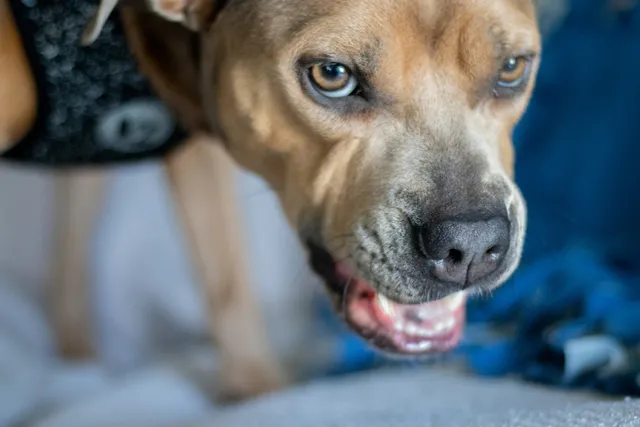
You know what a dog who is anxious, frightened, or getting angry looks like, but does your child? Teach your little one how to read a dog’s body language. Tell them to watch for ears pulled back and a tucked tail, and inform them never to approach a growling dog!

4. Stop, Drop, and Roll
Well, it's more like stop, drop, and curl. Teach your child that if they are pushed down by a dog, they should curl up in the tiniest ball they can manage and hold their arms over their head to protect their face. This protects their vital body parts like the face, throat, and abdomen.
Final Thoughts
Dogs and children are often good friends, but accidents happen, and a dog may bite a child. If your child has been bitten by your dog, you need to first stay calm and remove the dog from the situation, then assess the bite and determine how to proceed. However, you can help prevent dog bites in children by teaching your kids to respect a dog’s boundaries and by always supervising child and canine interactions.
Sources
Featured Image Credit: Olena Puchkina, Shutterstock
Expert dog care, straight to your inbox
Vet-reviewed advice, training tips, and the best of Dogster. Free, and you can unsubscribe anytime.
By signing up, you agree to our Terms & Conditions and Privacy & Cookies Policy.
Misty Layne lives out in the woods in small-town Alabama with her two Siamese - Serafina & Jasper. She also has an array of stray cats, raccoons, and opossums who like to call her front porch home. When she’s not writing about animals, you’ll find her writing poetry, stories, and film reviews (the animals are, by far, her favorite writing topic, though!). In her free time, Misty enjoys chilling with her cats, playing piano, watching indie and foreign films, photographing abandoned places, and catching up on her never-ending TBR list.
Join the conversation
Ask a question, share your story, or send private feedback.