Stopping Aggressive Behavior in Dogs: Vet-Verified Tips
In this article
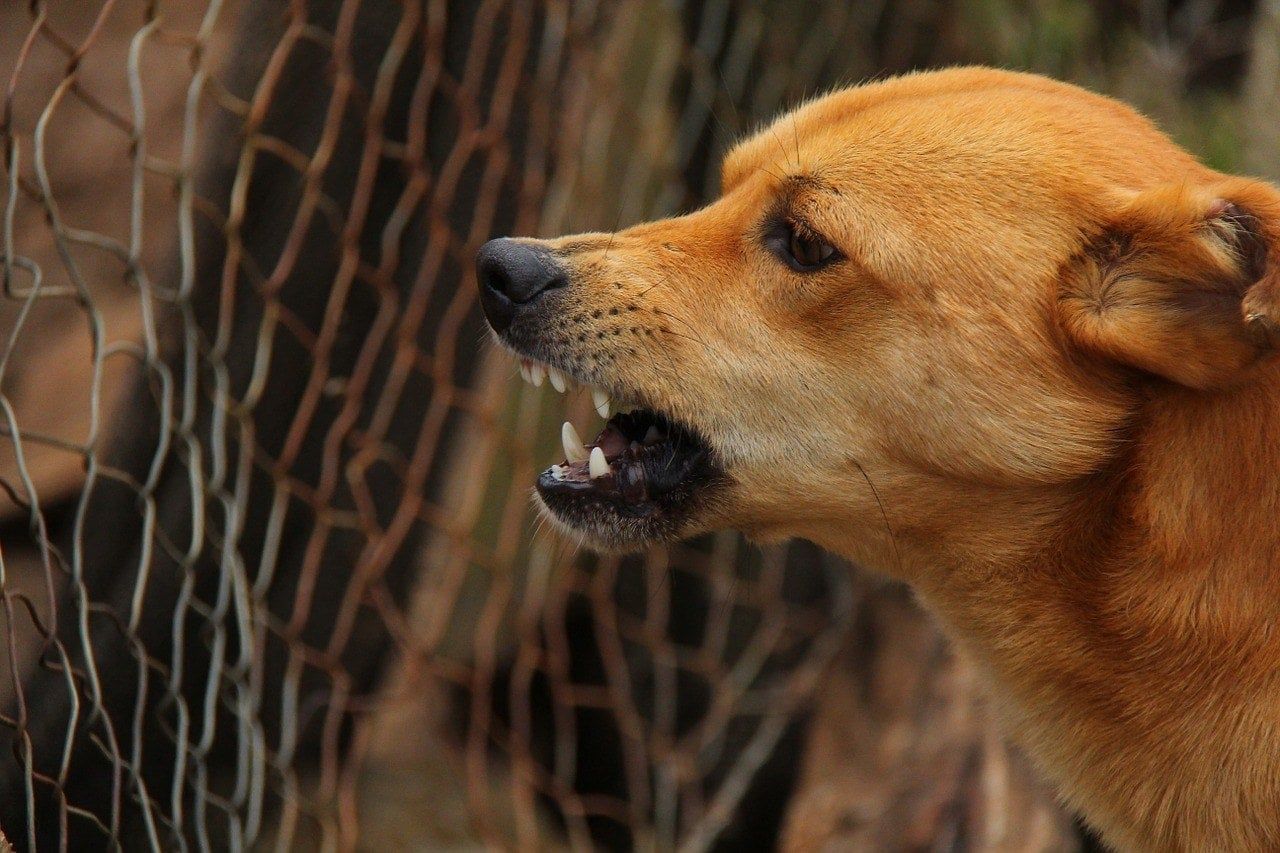
If you’ve got an aggressive dog on your hands, whether they frequently act out in aggression or have seemingly random bouts of it, you are not alone. Aggressive behavior in dogs is one of the top reasons that pet owners see a behavioral specialist. While you can’t always eliminate it completely, there are steps that you can take to reduce the occurrences of this unwanted behavior. Read on to find out more about stopping dog aggression.

Reasons Your Dog Is Getting Aggressive
Dogs have many reasons that they can get aggressive. We will go over these in detail, but keep in mind that a dog almost always has a reason for acting out. Your job is to get to the bottom of it and either train them out of it or avoid the triggers that cause it.

Pet behaviors can be caused by all kinds of things, but sometimes the source is medical. You can manage veterinary costs with the help of a pet insurance company like Lemonade, which offers adjustable plans and balanced coverage.
Are Some Breeds More Aggressive?
The fact is, any dog breed can get aggressive. Just like people are born and raised to have certain dispositions, dogs can inherit genetic traits that predispose them toward aggression and can carry baggage from past experiences. This is especially true of rescue dogs when you don’t know for sure about their past.
Certain breeds do carry a trait of watchfulness and wariness towards strange people and animals. These kinds of breeds are typically useful for guarding or herding livestock. So, when they have the shepherding traits without the livestock, an improperly trained dog of this breed might have some “aggression” issues.
Other breeds have a stronger “prey drive” than other breeds, meaning they might go after squirrels or cats more easily. This can be interpreted as aggression, but is actually an instinctive behavior.
Keep in mind, too, that some dogs are just bigger and stronger than other dogs and therefore, can seem more aggressive. There’s a certain intensity to the aggressiveness that, say, a Mastiff can bring, while a Toy Poodle’s aggression might not seem as strong.
Different Kinds of Dog Aggression
There are myriad reasons that a dog may become aggressive in any given situation. We will outline them one by one so you can pinpoint if your dog displays a certain type of aggressive behavior.
What Does Dog Aggression Look Like?

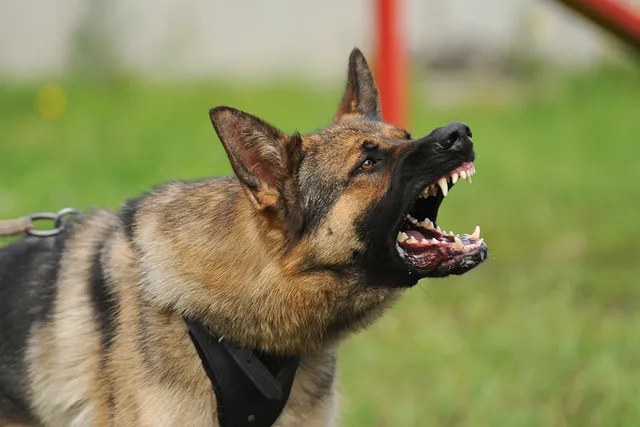
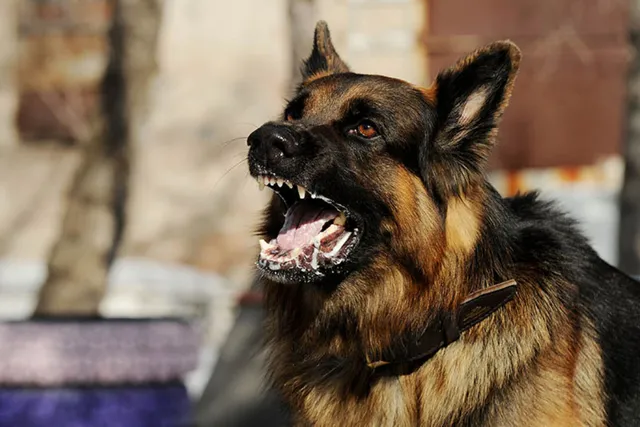
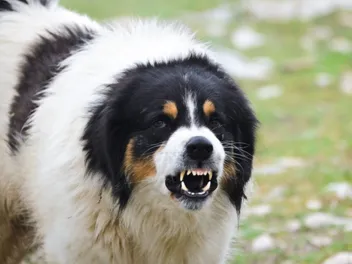
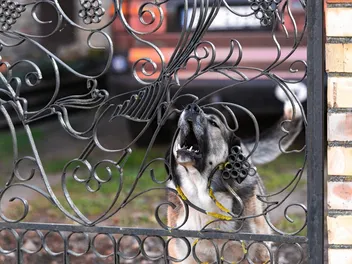
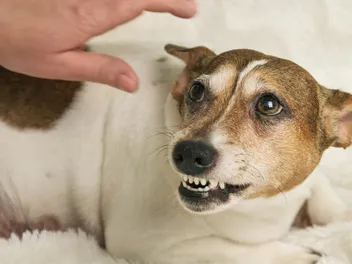
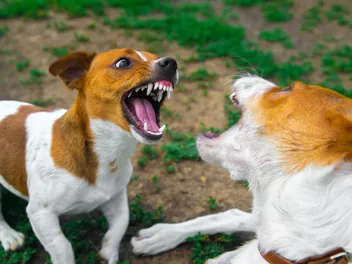
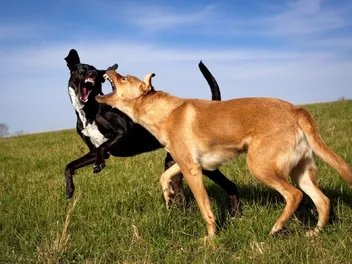
Dog aggression can look different for one person than for another person. Some people are used to roughhousing with dogs, while another person might call that behavior aggressive. Real aggression is more intense and can cause damage, while play aggression is normal and healthy as long as the dog does not cause pain and obeys when told to stop.
ll that behavior aggressive. Real aggression is more intense and can cause damage, while play aggression is normal and healthy as long as the dog does not cause pain and obeys when told to stop.
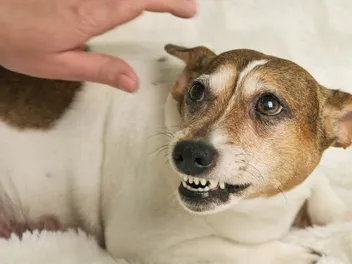
Here are the signs of aggression in dogs:
Can an Aggressive Dog Be Cured?
When a puppy shows signs of aggression, action can be taken in training and socialization to effectively eliminate the aggressive behavior. Puppies are considered more “malleable” than older dogs in this area and can therefore be easily trained out of bad actions.
Severe or unpredictable aggression in older dogs may not be fully resolved, but it can often be managed with behavior modification, medical evaluation, and professional support. When you can narrow down and identify the cause of your dog’s aggression, you can try to avoid these triggers as much as possible to keep the chances of aggression to a minimum. It should never be assumed by dog owners that a previously aggressive dog is “cured,” as this is unlikely and the dog could cause serious harm if triggered and left unattended. You'll have to keep your guard up and watch out for potential triggers for the rest of your dog’s life to protect those around you.
How to Stop Dog Aggression
Anyone who has a dog displaying aggressive behavior can do something to manage it. Some cases can go through these general steps to try to eliminate problems. Sometimes, older dogs respond well to behavior training, and in some other cases might need medical attention.
Pay Attention to Aggression Cues
Take another look at the different kinds of dog aggression. Pinpointing one kind is a step closer to understanding why your dog acted the way that they did. Simply take note of when and where it happened, who was around, and what else was going on at the time. The dog’s behavior is almost always a reaction to a trigger. Deciphering the dog’s behavior is the first step in trying to stop it.
Determine the Cause or Recipient of the Aggression
The most important factor in recognizing aggression influences is the people or animals involved in the incident. Usually, aggression is caused by a stranger the dog doesn’t know or a certain group of people, like men, women, or children. Pay attention to whom your dog tends to be aggressive toward.
Partner With Professionals
After you learn the cues and the “who” behind the aggression (if any), it’s time to team up with the vet and/or behavioral specialists. These professionals will be able to help you with managing the underlying causes, prescribing treatment if needed, or a training plan; some cases might need all three. But every dog can improve and get the help needed to act more normally.
Make a Plan
With your team, come up with a plan for how you will resolve the aggressive behavior. Everyone has to be on the same page, especially all the family members, with how everyone will deal with the aggression once it happens. A dog will be confused if family members try to treat the dog differently when implementing behavioral change.
Another plan you need to make is to prepare for unavoidable situations. For instance, if you live in an urban area, how will you go on walks with your dog when they get approached by men they typically show aggression toward?
Don’t Punish
Responding to aggression with aggression is never a good idea. A dog that gets hit, yelled at, or otherwise punished when aggressive will respond in two ways: They will probably either try to bite you, or they will grow resentful of you. Negatively punishing your dog may also result in redirected aggression toward someone or something else.
Avoid these adverse effects of punishment by going through a behavior plan with your vet or behavioral specialist.
Exercise
A lot of the time, dogs just need to get some energy out to maintain a healthy mind. When dogs are properly exercised, they may not have the energy needed to be aggressive toward other people or things. They are more relaxed and able to focus on the good things in life.
Your Dog Needs a Good Leader
When dogs were domesticated from wolves, they became less reliant on social structures like packs, and more attuned to human interaction. Dogs now depend on us, their owners, for guidance and care for all things in life. When your dog is showing aggression, they need your help to feel secure and learn alternative behaviors. You are, in essence, their trusted caregiver and teacher, and they need you to provide calm, consistent leadership.
We hope that we have helped you come up with ideas on how to do this. Your family, neighbors, and your dog (with their better behavior) will thank you later!
You might also be interested in:
Featured Image Credit By: Pixabay
Expert dog care, straight to your inbox
Vet-reviewed advice, training tips, and the best of Dogster. Free, and you can unsubscribe anytime.
By signing up, you agree to our Terms & Conditions and Privacy & Cookies Policy.
Nicole has loved animals of all sizes her whole life so it's no wonder she has dedicated her career to helping them through what she loves best: learning, writing, and sharing knowledge with others. She’s the proud mom of two dogs, a cat, and a human. With a degree in Education and 15+ years of writing experience, Nicole wants to help pet parents and pets around the planet to live happy, safe, and healthy lives.
Join the conversation
Ask a question, share your story, or send private feedback.