If I Surrender My Dog, Can I Adopt Again? Vet-Verified Facts & FAQ


In this article
In most cases, surrendering your dog isn’t grounds for immediate denial of any future adoption. Most adoption centers will allow you to adopt, especially if a significant amount of time has passed. In many cases, organizations may not even keep records for more than a year, so they may not even know that you previously surrendered an animal.
Some organizations may have a rule against allowing those who previously surrendered dogs to adopt again. It varies considerably from organization to organization.
However, there is no national list of those who previously surrendered their dogs. Therefore, if one organization doesn’t allow you to adopt from them, you can still adopt from other organizations. They have no way of knowing that you previously surrendered an animal.
Of course, just because you can adopt again doesn’t necessarily mean you should. It is important to consider carefully the reasons that you needed to surrender your previous dog and put a lot of thought into whether you will be able to care for a new dog.

Things to Consider Before Adopting a Dog
Preparing to adopt a dog can be a little overwhelming, here are a few factors to consider before you adopt a dog.
Firstly, is now the best time for you to adopt a dog? Is your work schedule and housing situation suitable? Do you have enough time to spend with them while they adapt to their new home and time for their daily exercise needs? Think about whether you can provide a stable home for your dog in the long-term too. The average lifespan for dogs is between 10 and 13 years with many living even longer.
Are you prepared for the commitment and lifestyle changes that come with looking after a dog. Last minute carefree getaways and nights out need more careful planning to make sure your dog is cared for.
What breed or attributes will be a good fit for your family? Would a lap dog or a high energy pup be a better fit?
Can you budget for the financial commitment of dog ownership? You need to factor in costs like food, vet bills, kennels and insurance.

What If I Regret Adopting a Dog?
Even if you have put a lot of thought into it before adopting a do
g, it actually isn’t odd to regret the decision after a period of time. Many dog owners report feeling regretful or doubtful after the newness of the dog wears off. Adopting a dog is a huge commitment and can significantly change your lifestyle.
However, just because you feel regretful doesn’t mean that you need to take action. Here are some steps to take if you feel regret:
- Give It Time: Adjusting to a new pet can be challenging for both you and the dog. It’s normal for there to be an adjustment period as you get to know each other and establish routines. On average it takes around three months for a pet to settle into a new home.
- Evaluate the Reasons: Reflect on the specific reasons why you are feeling regretful. Is it due to the dog’s behavior, the time and effort required for care, financial concerns, or something else? Identifying the root cause of your feelings can help you find potential solutions.
- Seek Professional Help: If you’re struggling with the dog’s behavior or any specific issues, consider seeking the help of a vet, professional dog trainer or animal behaviorist. They can offer guidance and support in dealing with behavioral problems and building a strong bond with your dog.
- Talk to Friends and Family: Share your feelings with trusted friends or family members who can offer support, advice, or even help with dog care. Sometimes, talking through your concerns can provide valuable insights and alleviate some of your worries.
- Consider Rehoming: If, after careful consideration, you feel that you cannot provide the care and commitment required for the dog, explore the option of responsibly rehoming the dog. Reach out to local animal shelters or rescue organizations to find a suitable home for the pet. Be patient in finding the right fit, ensuring the dog will be cared for and loved in its new home.
- No Judgment: Understand that feelings of regret are human and don’t make you a bad person. Adopting a pet is a big decision that should not be taken lightly.
- Learn from the Experience: Take this as an opportunity to learn more about yourself, your preferences, and what you need in a pet companion. If you choose to adopt again in the future, use the knowledge gained from this experience to make a more informed decision.
Remember, adopting a dog is a huge lifestyle change. It requires patience, and everything probably won’t go exactly as you think it will! Give you and your dog time to adapt to the new situation. If you’re struggling with the dog’s behavior, we suggest you speak to a vet to learn how to deal with their behavioral problems and prevent them from recurring.
Is It Bad to Take a Dog Back to the Shelter?
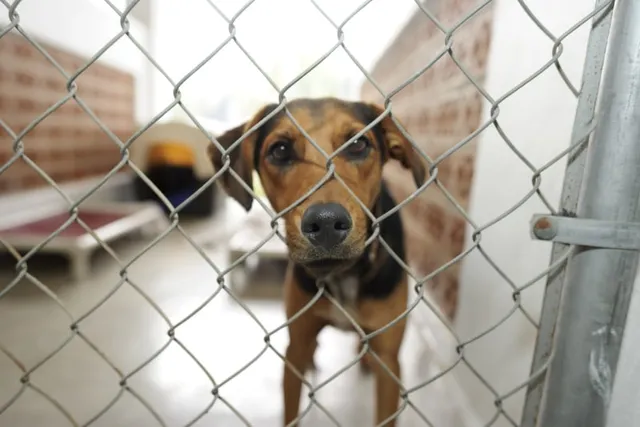
Returning a dog to a shelter isn’t typically a good thing. However, that doesn’t mean it is a bad thing, either. If you find yourself in a situation where you can’t care for the dog or there is a significant health concern, returning the dog may be the best course of action.
For instance, parents of kids with dog allergies often don’t realize that their child has allergies until after they adopt a dog. In this case, the child may not show symptoms until a few hours (or even days) after the adoption. Obviously, in this case, returning the dog is likely the best-case scenario.
Adopting a dog may also bring up several problems you weren’t prepared for. Maybe your previously friendly dog suddenly becomes very aggressive with the new puppy. While these problems can sometimes be fixed, serious behavioral problems are sometimes too much for owners to handle.
Sometimes, the dog proves to not fit your lifestyle. They may be far more active than you anticipated, or they may have separation anxiety that you’re unable to handle. Giving the situation time and seeking professional assistance is often helpful. However, someone who travels for work or works long hours likely won’t be the best fit for a canine that cannot be left alone for long.
In rare cases, if the dog displays aggressive behavior that poses a safety risk to you, your family, or other pets, returning the dog to the shelter may be the safest option.

Why Do People Return Rescue Dogs?
There are countless reasons why people may return rescue dogs (or surrender any dog, really).
The most common cause is behavioral. Rescue dogs often come from unknown or challenging backgrounds, and they may have behavioral issues as a result. Some adopters may find it difficult to manage or address these behaviors, especially if they are not experienced in dog training or behavior modification. Their current pets may also suddenly show behavioral problems toward the new dog, like aggression.
Sometimes, despite careful consideration, a dog and an adopter may not be the right match for each other. This could be due to differences in energy levels, lifestyle, or personality, leading to an unsuitable fit for the adopter’s home environment. For instance, if the adopter has children, the dog may prove to be incompatible with them for one reason or another. It’s hard to know this before adopting a dog, especially if their background is unknown.
Rarely the adopter may discover that they (or a family member) are actually allergic to dogs. Many people don’t know they’re allergic until they’re living in a home 24/7 with a dog. In these cases, it can be impossible for them to continue keeping the dog.

Conclusion
Surrendering a dog is not grounds for immediate denial of any future adoptions in most cases. Many adoption centers allow readoption, especially after a significant amount of time has passed, and records may not be retained for extended periods.
While some organizations may have specific rules against readoption for those who previously surrendered dogs, there is no national list of such individuals. Therefore, if one organization doesn’t permit adoption, there are still opportunities with other organizations.
Even after carefully considering adopting a dog, feelings of regret after the adoption are not uncommon. To address these feelings, giving it time and patience is essential, as adjusting to a new pet can be challenging for both the owner and the dog.
Evaluating the reasons for the regret and seeking professional help can help find solutions. Talking to friends and family can offer support, and responsible rehoming may be an option if it becomes clear that the dog’s care needs cannot be met. Returning a dog to the shelter is generally not ideal, but sometimes it may be the best course of action for the well-being of the dog and the adopter. If you do choose to adopt again in the future, learn from this experience to help find the perfect dog for you.
Sources
Featured Image Credit: Lena Ivanova, Shutterstock
Expert dog care, straight to your inbox
News, insights, expert advice, and everything dog.

No spam — unsubscribe anytime.
By signing up, you agree to our Terms & Conditions and Privacy & Cookies Policy.
How useful was this post?
Click a star to rate. You can leave written feedback afterwards. (We read all feedback.)
Kristin loves to help pet parents create a fulfilling life for their pets by informing them on the latest scientific discoveries and helping them choose the best products for their pets. She currently resides in Tennessee with three cats, four dogs, two fish, and a lizard, though she has dreams of owning chickens one day!