How to Comfort a Dog With a Fever: 3 Vet-Approved Tips


In this article
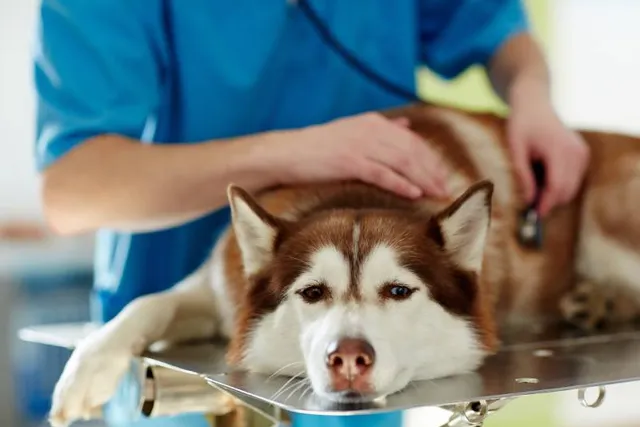
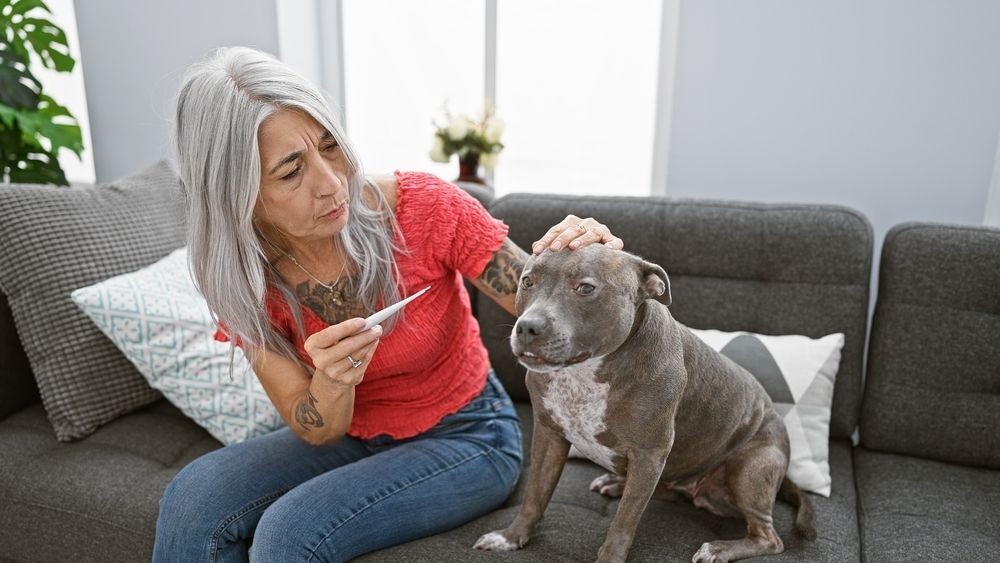
Having a sick dog is awful for both you and your pupper. If your pet has a fever, though, there are a couple of ways you can comfort and support them when they are feeling poorly. However, fevers usually indicate an underlying problem that needs diagnosing and treating, so it’s always important to seek veterinary advice as soon as possible if your dog is running a high temperature.
Here’s a closer look at what precisely a dog fever entails, how to recognize when your pet has a fever, how to comfort a dog with a fever, and when you should take your pet to the vet. With this information, you’ll be better equipped to handle things the next time your four-legged friend falls ill.

What Is a Dog Fever?
You’ve probably heard the adage that if you feel your dog’s nose and it’s dry and hot rather than wet and cool, it means your dog has a fever. However, this is not an accurate way of telling whether a canine has a fever and the temperature of their nose can vary depending on environmental temperatures and what they’ve been doing.
Dogs naturally run hotter than humans, with their normal body temperature running between 101 and 102.5 degrees Fahrenheit (as opposed to a human’s 97.6 to 99.6 degrees Fahrenheit). So, your pup’s nose and skin could feel hot to you at any time, not just when they have a fever. In reality, the only accurate way to tell if your dog has a fever is to take their rectal temperature.
If a dog’s average body temperature is already higher than ours, what constitutes a fever in canines? 103 degrees Fahrenheit and above is considered a fever or hyperthermia in dogs, although 102.5 degrees Fahrenheit may also be considered a fever if a dog is exhibiting other signs of being unwell.
It’s important to be aware of the difference between a fever and hyperthermia. A fever is the body’s response to a disease process, as it fights inflammation or infection. Hyperthermia (overheating) also causes a raised temperature but is caused by environmental factors, like hot weather, and excessive exertion.

What Are the Signs of a Fever in Dogs?
The signs of a fever will partly depend on what the underlying reason for their high temperature is. Some signs that may indicate a dog has a fever include:
If you notice any of these signs in your pet, it won’t hurt to take their temperature to see if they have a fever. They may not, but these signs of illness could mean they do. However, there can also be instances where a dog could have a fever and no obvious signs of illness.
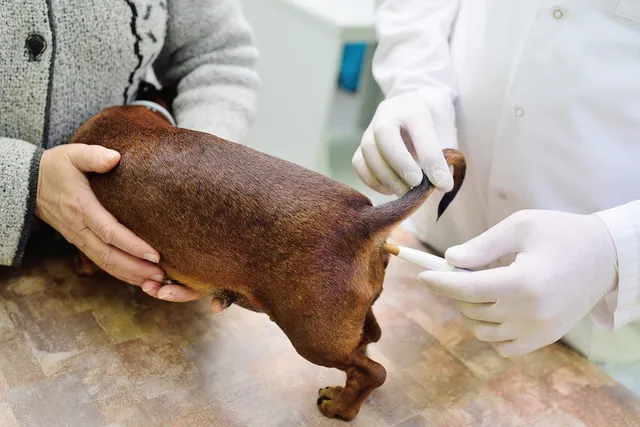
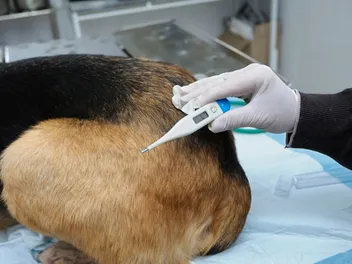
We’ve already mentioned that you’ll need to use a rectal thermometer to get an accurate temperature for your pup. It’s advised that you use a dog-specific rectal digital thermometer rather than trying to use a human one that goes in ears, etc. If you use a standard digital thermometer, label it clearly so it’s not used by someone else and avoid old fashioned glass and mercury thermometers which can break and cause injury.
To take your dog’s temperature, you’ll need to coat the thermometer in a water soluble lubricant or petroleum jelly, then (very gently!) insert it about an inch into the rectum. It should take a minute or less to get a reading. If you are uncomfortable or feel unable to do this safely at home then contact your vet who will be happy to help. It’s best to double check any abnormal temperature readings, especially if your dog is not showing any signs of being unwell. Keep your dog calm and cool for around 10 minutes then repeat the reading.
How to Comfort a Dog With a Fever
If your dog has a fever you will need to monitor them carefully and follow your vet’s advice. There are also some things you can do at home to comfort them while they recover. One thing you should never do is give your dog human medication, such as ibuprofen, as these are potentially very toxic to canines!
1. Keep Your Dog’s Environment Calm and Comfortable

Ensure that your dog has a calm, quiet and comfortable space to rest and recover. Keep the room at a moderate temperature and avoid extremes of heat or cold. Your dog may appreciate a fan or the option of lying on cool tiles or a cooling mat, especially on a warm day.
Offer reassurance and spend time with your pup if they find that soothing, some dogs prefer to be mostly left alone when they are feeling unwell. You know your dog best so respond to their cues.
2. Give Water to Your Dog

It’s always important that dogs stay hydrated, but it’s even more so when a dog has a fever. Make sure your pup has plenty of fresh, cool water easily accessible. Your pup may not be interested in drinking water if they’re not feeling well, though, so you may have to encourage them. Some dogs enjoy ice cubes or a small amount of dog-safe, low sodium meat broth added to their water can also help get them to drink.
If your dog is refusing to drink or is showing potential signs of dehydration such as dry, tacky gums and lethargy then contact your veterinarian as soon as possible for advice.
3. Encourage Them to Eat

When your dog has a fever they might lose their appetite so you may need to tempt them to eat little and often to maintain their energy levels. Seek advice from your vet on the best food to offer, which will depend on any medical issues they are suffering from, but often highly digestible diets are suggested and warming their food can make it more appealing. Wet food and adding extra water to their food can help with hydration as well.

When to Call the Vet
While mild fevers can sometimes be managed at home, it is important to consult with your veterinarian whenever your dog is showing signs of illness. Vets can check for serious underlying health conditions and give you guidance on how to best care for your dog. We always recommend erring on the side of caution and taking your dog to the vet if you are ever unsure about their health. Delaying when your dog has a fever can make it more likely that your dog will suffer from complications such as dehydration, and take longer to get over their illness
If your pup’s temperature is 105 degrees Fahrenheit or higher, or is showing other concerning signs such as extreme lethargy, immediately take your pet to the vet. A temperature this high counts as an emergency.
Conclusion
A true fever is the body’s response to a disease process and causes a dog’s body temperature to rise over 103 degrees Fahrenheit. You can take their temperature at home to help guide you on whether your dog may be unwell, but it’s essential to monitor them for other signs of illness when deciding how urgently they need veterinary care. It’s always advisable to seek advice from your vet sooner rather than later if you have any concerns about your pet’s health.
Follow your vet’s advice and monitor your canine carefully when they have a fever. You can comfort them at home by making sure they have a place to rest in a cool, quiet room, offering them reassurance and encouraging them to eat and drink.
Sources
Featured Image Credit: Krakenimages.com-Shutterstock
Expert dog care, straight to your inbox
News, insights, expert advice, and everything dog.

No spam — unsubscribe anytime.
By signing up, you agree to our Terms & Conditions and Privacy & Cookies Policy.
How useful was this post?
Click a star to rate. You can leave written feedback afterwards. (We read all feedback.)
Misty Layne lives out in the woods in small-town Alabama with her two Siamese - Serafina & Jasper. She also has an array of stray cats, raccoons, and opossums who like to call her front porch home. When she’s not writing about animals, you’ll find her writing poetry, stories, and film reviews (the animals are, by far, her favorite writing topic, though!). In her free time, Misty enjoys chilling with her cats, playing piano, watching indie and foreign films, photographing abandoned places, and catching up on her never-ending TBR list.