Hypothermia in Dogs: Vet-Reviewed Signs, Causes & Treatment


In this article
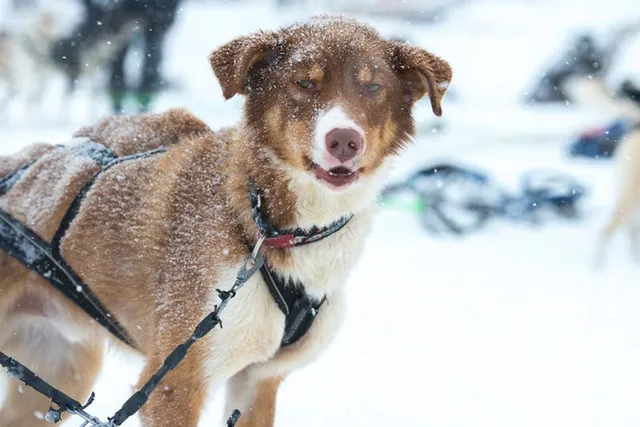
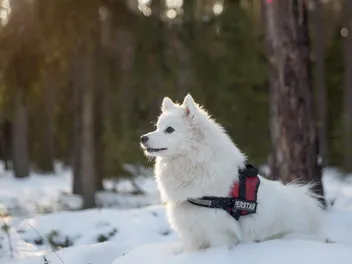
Our pets are extremely important to us, and we do all that we can to keep them safe, which includes keeping them inside when it’s cold. However, many dog owners know that they will insist on going out, anyway, especially cold-weather dogs like Siberian Huskies or Alaskan Malamutes.
This can make owners worry about hypothermia. If this is a concern of yours, keep reading as we discuss exactly what it is, the signs that your pet might have it, and how to treat it.

What Is Hypothermia in Dogs?
Hypothermia is when the internal body temperature drops out of the safe zone. Once hypothermia sets in, your pet can start to suffer a wide range of health problems, from frostbite to organ failure. There are three stages of hypothermia, each more dangerous than the next.
- Mild Hypothermia — Body temperature of 89-95 degrees Fahrenheit
- Moderate Hypothermia — Body temperature of 82–89 degrees Fahrenheit
- Severe Hypothermia — Body temperature less than 82 degrees Fahrenheit

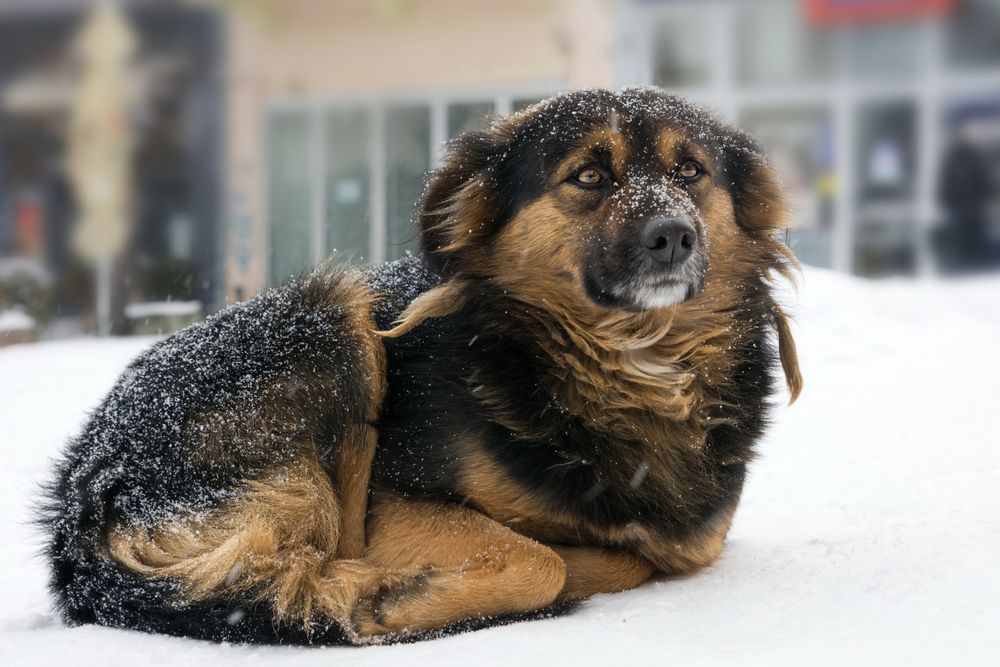
Image Credit: Reimar, Shutterstock
What Are the Signs of Hypothermia in Dogs?
Signs that your pet is suffering from hypothermia can start relatively mild and initially include shivering. In the moderate stage, the signs can get more serious and can include slowed reflexes, muscular rigidity, and a lack of coordination.
Once the body gets even colder, the dog will go into severe hypothermia with signs that can include loss of consciousness.
What Are the Causes of Hypothermia in Dogs?
Exposure to cold temperatures is the most common cause of hypothermia. However, swimming, even for dogs that like to swim, can lead to rapid loss of body temperature that can put them at risk of hypothermia. Even when not swimming, wet or damp fur can cause the body to decrease in temperature.
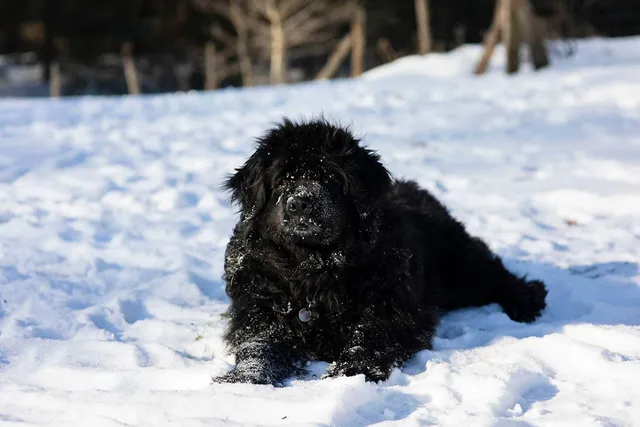
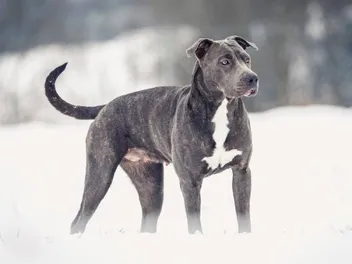
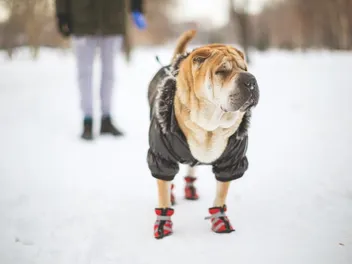
Small or thin breeds will be more vulnerable in cold weather, as will those that only have a single coat of fur and lack the down undercoat that protects many other breeds. Puppies are especially prone to losing body temperature in cold weather, as are older dogs and those with health issues.
How Do I Care for a Dog with Hypothermia?
- Remove the dog from the cold weather, and bring them inside to stop the progression of hypothermia.
- If your pet is wet, gently dry them with towels. For pets with thick fur, you can use a hairdryer on the lowest setting, keeping it at a distance to avoid burns.
- Contact a veterinarian or an emergency pet hospital as you apply these remedies. Hypothermia can have complications that require medical attention, such as frostbite and internal organ stress.
- Rapid warming can be harmful. Instead, offer warmth gently and gradually.
- Wrap your pet in blankets (first putting them in the dryer at a low temperature for a short period can help provide more comfort).
- Fill bottles with warm water, wrap them in towels, and place them around your pet.
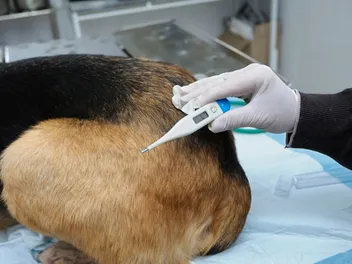
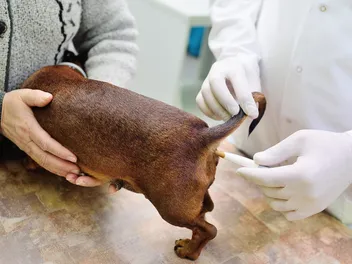
- Use a digital thermometer to monitor your pet’s rectal temperature every 10 minutes. Normal body temperature for dogs ranges between 101°F and 102.5°F. These numbers can help guide the veterinarian on the help they provide you.
- If the dog is alert and can swallow, offer small amounts of warm but not hot water or a low-sodium chicken broth (onion and garlic free) to help raise their internal body temperature and prevent dehydration.
- A vet may recommend hospitalization for severe cases to provide fluids, warmth, and monitoring until they are back in good health.
If your dog is showing any signs that do not require immediate attention, we suggest you speak to a vet to learn how to care for your pup.

Frequently Asked Questions (FAQ)
Can Hypothermia Occur Even in Breeds with Thick Fur?
Yes, even breeds with thick fur can succumb to hypothermia, especially if they get wet or are in cold conditions for extended periods. Thick fur offers a certain amount of protection, but it’s not a complete safeguard against freezing temperatures.
Can Dogs Recover From Hypothermia on Their Own?
Mild cases of hypothermia might resolve with minimal intervention, like moving to a warmer environment. However, more severe cases require active warming and professional veterinary care to prevent serious complications and to ensure recovery.
How Can I Prevent My Dog From Getting Hypothermia?
To prevent hypothermia, keep your pet indoors during cold weather, dry them well when they are wet, and ensure that they have access to a warm, dry area at all times.
Conclusion
Hypothermia in dogs occurs when their body temperature drops to an unsafe core temperature, and it can have serious effects on your pet’s health. Always contact a vet if you suspect that your dog is suffering from hypothermia, and ensure that they have access to a warm, dry space at all times. Dry them off completely if they get wet.
Also see:
Sources
https://www.petguide.com/pets/hypothermia-in-dogs-causes-symptoms-and-treatments-44630047
https://www.petmd.com/dog/conditions/cardiovascular/dog-hypothermia
https://www.akc.org/expert-advice/health/hypothermia-in-dogs-how-cold-is-too-cold/
https://www.purina.co.uk/articles/dogs/health/symptoms/hypothermia-in-dogs
Featured Image Credit: Creative Family, Shutterstock
Expert dog care, straight to your inbox
News, insights, expert advice, and everything dog.

No spam — unsubscribe anytime.
By signing up, you agree to our Terms & Conditions and Privacy & Cookies Policy.
How useful was this post?
Click a star to rate. You can leave written feedback afterwards. (We read all feedback.)
Ed Malaker is a seasoned writer who has contributed to a wide range of blogs covering everything from tools to guitars, and pets to fitness. When Ed isn't writing, he is usually making DIY projects around the house or working in the garden.