10 Vet-Verified Signs That Your Dog Is Sick & What to Do


When our dogs are sick, it is essential to seek out veterinarian care quickly. Many illnesses can be treated inexpensively and easily if they are caught early. However, if the disease is left to progress, it will cause your dog unnecessary suffering and treatment usually becomes more complicated. This often means that your dog will need more medication for a longer period of time, hospitalization, and even surgeries, which can make it more difficult not only for your wallet but, most importantly, for your dog.
With that said, it isn’t always so simple as taking your dog to the vet when you notice they are sick. Sometimes, it is nearly impossible to tell when they are sick. While many illnesses have pretty obvious signs, others can blend into your dog’s normal behaviors until they become serious.
There are a few common behaviors among sick dogs, though. In this article, we’ll take a look at these usual behaviors so that you can spot changes in your dog when it’s important and take action quickly.
Important Note: This article is intended to explain a number of common signs of disease in dogs. It should not be used to diagnose or treat any disease in your pet, nor should it be used as a substitute for the advice of your veterinarian. If you notice that your dog is acting unusually or showing any signs of illness, we strongly recommend that you contact your veterinarian for specific medical advice for your pet.

The 10 Signs Your Dog Is Sick
1. Lack of Appetite

Many dogs will stop eating or become fussier when they get ill. This may be apparent before any other signs show up. While lack of appetite might be more common in dental and digestive problems, it can occur during many different kinds of diseases. For instance, dogs that have a muscular or a urinary problem may stop eating as much because they are not feeling well.
If your dog suddenly isn’t eating as much as they once were or they develop a picky appetite, you need to consider taking a trip to the vet. While dogs might show a reduced appetite for some pretty benign reasons, skipping a few meals is usually a sign that something is wrong.
2. Change in Water Intake
Many conditions may make your dog thirstier or cause your dog not to drink at all. Diabetes is a great example of this, as dogs will almost always start to drink more when their blood sugar remains high for too long. Kidney problems may also cause excessive thirst. Anything that alters the kidney function or the urine composition may lead to increased water intake; it’s the body’s way of trying to correct the situation.
Of course, dogs will often drink more if it is hot or they have been more active. However, if your dog suddenly starts drinking more or less for no obvious reason, it could easily be because they are sick.
3. Hiding

A common sign that something is not right with your pooche’s health is problems with urination or defecation. These issues can be caused by a wide variety of problems – some serious and some pretty minor. However, your dog’s bathroom habits will rarely be caused by something else, so if you notice this sign, your dog is probably sick.
Diarrhea and constipation are common signs of illness involving your dog’s defecation. On the other hand, signs of urine problems include abnormally colored urine, trouble urinating, or increased frequency. Because some serious conditions can cause bathroom problems, you should see your vet right away. This is especially true if your dog tries to urinate but cannot, as this may be caused by a blockage that needs to be treated right away. There isn’t much second-guessing you can do here.
Sometimes, dogs may hide when they are stressed out as well. If you’ve recently moved or changed your routine, this may be the reason for your dog’s behavior. However, if nothing recently has changed, they could be stressed because of their sickness.
4. Bathroom Problems
Dogs that are sick may have trouble urinating or defecating. These issues can be caused by a wide variety of problems – some serious and some pretty minor. However, your dog’s bathroom habits will rarely be caused by something else, so if you notice this sign, your dog is probably sick.
Because some serious conditions can cause bathroom problems, you should see your vet right away. This is especially true if your dog tries to urinate but cannot, as this may be caused by a blockage that needs to be treated right away. There isn’t much second-guessing you can do here.
Too much urination can also be a problem. Typically, this goes right along with increased water intake. However, some owners may notice increased urination before they notice the increased thirst. After all, most owners are pretty involved in their dog’s bathroom habits but may not notice slight changes in how much their dog is drinking.
5. Excess Licking

Dogs often lick themselves to stay clean in an instinctive way. However, there is a fine line between normal licking and seemingly obsessive licking. Many people interpret this as a behavioral problem. However, it is more likely to be caused by an underlying condition. Parasites and skin allergies often cause itchiness, for instance. Any sort of skin irritation, including contact with stinging nettles and insect bites, may also cause excess licking.
While excess licking is almost always a cause of an underlying problem, it can also become a problem in itself. Many dogs will lick until they leave sores, which often don’t heal because the pet is licking them. You should not let your dog’s excessive licking get to this point. Nor should you let your dog lick any wounds. The best thing to do is to place a protective collar or cover the affected area and contact your veterinarian immediately.
6. Aggression
When dogs are sick, they may not want to be touched or messed with. Sometimes, they may lean on extreme behaviors to prevent humans from potentially hurting them further. This can result in aggression. If your dog is suddenly aggressive for seemingly no reason, they may be sick.
Think about it: if a dog’s back is hurting and you come over to give them some cuddles, they likely won’t take it too kindly. If they also don’t want to move because of their pain, the only way they can make you stop is aggression.
Some dogs may yelp or whine when they’re hurt. Others become aggressive. Keep an eye on these extreme behavior changes, as they almost always point to an underlying problem. Dogs just don’t become aggressive for no reason.
7. Lethargy

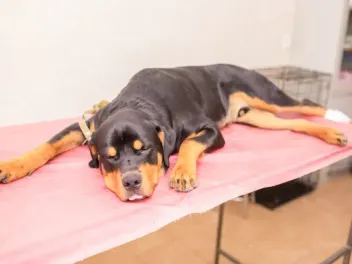
Just like people, when most dogs get sick, they probably won’t want to move around much anymore. If your dog is suddenly laying around and just not acting like they feel good, they probably aren’t. If you can’t notice any obvious sign of your dog’s lethargy, you should visit your vet. Often, sudden and seemingly random lethargy is more worrisome than lethargy that is paired with other signs.
There are many severe health issues that will cause energy loss without many or any other signs. For instance, heart disease may cause your dog to tire more easily, causing lethargy. But no other signs may be present.
8. Excess Panting
Panting is a dog’s common reaction to pain. Many dogs may show no other signs of being in pain beside panting excessively for seemingly no reason. If your dog isn’t being active and isn’t somewhere hot, panting is usually a sign of a problem.
Many dogs also pant when they are stressed out. However, stress can also be caused by illnesses. Unless there is an obvious reason why your dog should be stressed, you should seriously question excess panting.
Because the dog is in pain, they will also likely not want to move very much and may develop changes in behavior. If your dog is panting and doesn’t want to move from their bed, there is likely something wrong. You should give your dog a careful look over to see if you notice any other obvious signs and contact your veterinarian. Pain can be caused by very simple things, like a bee sting, or a serious, life-threatening illness.
9. Eye Changes

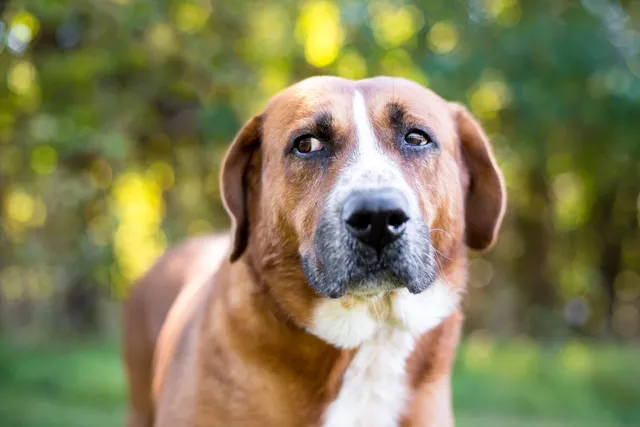
It is said that the eyes are the mirror of the soul, any sort of eye change may point towards health issues for your canine. Whether the eyes become cloudy, “zoned out,” or watery, all these changes point to a problem. Often, this problem will involve the eye itself. However, many non-eye conditions can manifest themselves as a change in eye color, brightness, or general look.
This change can point to something such as a scratch on your dog’s eye, or it can be due to uveitis (inflammation of the tissues inside the eye), which can be caused by generalized infections, immune-mediated diseases, and even cancer. Either way, vet attention is always required.
10. Confusion and Vocalizations
If your dog seems to wander around the house, gets “stuck” in corners, or starts whining or crying for no reason, it could be a sign that they are ill. This can be a sign of “doggie dementia” or canine cognitive dysfunction. However, it can also be caused by a variety of neurological problems. Dogs that have ingested a toxin may often act confused, but they usually exhibit other signs as well. Confusion is often confused with blindness, especially if the loss of vision is sudden and the dog doesn’t have time to adjust to it.
Well-behaved dogs that suddenly start having accidents in the house and stop following commands need to be seen by the vet. Don’t just assume that your dog is simply behaving naughty. Their mental state might be altered. While age-related cognitive dysfunction isn’t curable, it can often be helped by a vet’s guidance. Many other underlying causes of confusion can be treated once a diagnosis is made.
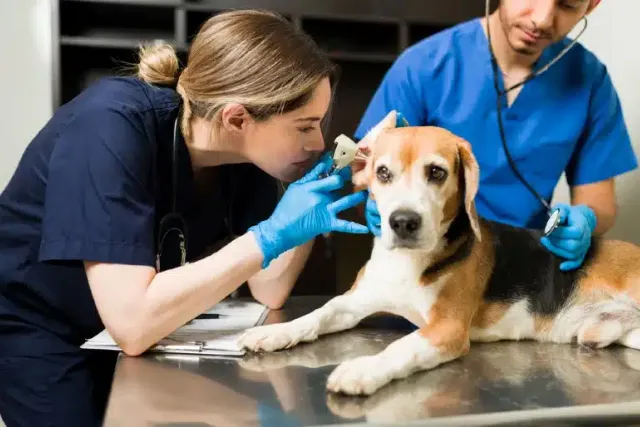
If your dog is experiencing any of the symptoms above, it would be best to have them examined by a vet.

Conclusion
The first step in solving any health issue is to recognize the signs of an underlying problem. Most dog owners will sense when something is wrong with their pup, but it’s important to stay alert. Every now and then, you should take a careful assessment of your dog—simply as a precaution. You might notice something you hadn’t before. And then, it’s definitely time for a trip to the vet.
You may also want to read:
Why Does My Dog Scratch My Bed Sheets? 4 Reasons for This Behavior
How to Get a Sick Dog to Drink Water: 12 Vet-Reviewed Steps to Follow
Why Is My Dog Not Eating? 9 Vet-Verified Reasons & What to Do
Featured Image Credit: My July, Shutterstock
Expert dog care, straight to your inbox
News, insights, expert advice, and everything dog.

No spam — unsubscribe anytime.
By signing up, you agree to our Terms & Conditions and Privacy & Cookies Policy.
How useful was this post?
Click a star to rate. You can leave written feedback afterwards. (We read all feedback.)
Nicole has loved animals of all sizes her whole life so it's no wonder she has dedicated her career to helping them through what she loves best: learning, writing, and sharing knowledge with others. She’s the proud mom of two dogs, a cat, and a human. With a degree in Education and 15+ years of writing experience, Nicole wants to help pet parents and pets around the planet to live happy, safe, and healthy lives.