7 Signs a Dog Is Uncomfortable & How to Help (Vet-Reviewed)


In this article
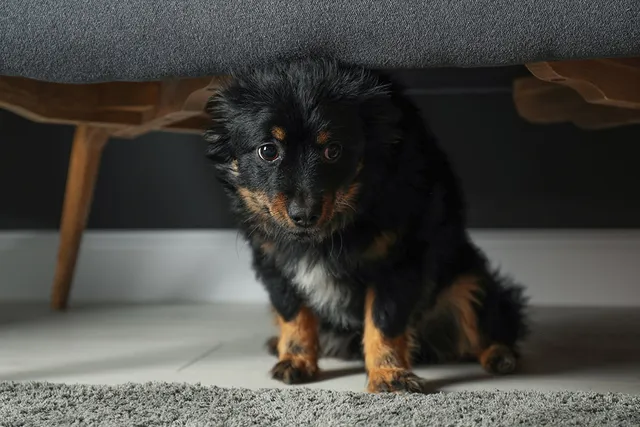
Dogs can’t speak to us directly, but they can communicate their feelings and emotions through their actions. Most owners are in tune with their dogs and their habits, which means that even the slightest change in the way they act or react can be spotted and acted upon.
If your dog is uncomfortable, it could be caused by pain, illness, or anxiety. Changes in living conditions or circumstances, or even a change of bedding, can cause your dog to be uncomfortable.

How to Tell If a Dog Is Uncomfortable
Below are some of the most common signs that your dog is uncomfortable, as well as some guidance on what you can do about it.
1. They Are More Vocal
Dogs might not be able to speak the same language as us, but they can speak. If your dog is typically a quiet pet that barely barks and hardly cries, you’ll notice if they make more noise and are more vocal. Your dog might be making noise because they’re in pain, barking to alert you to something that is causing them anxiety, or making other noises for a host of reasons.
Try to determine the cause of increased barking or crying. It could be that your dog can hear something you can’t. Consider the timing of the barking. If it happens at the same time every day or night, the barking could be a response to a noise outside.

2. They Can’t Settle
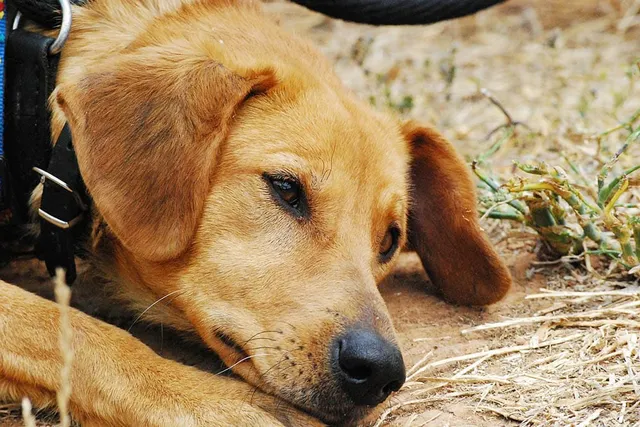
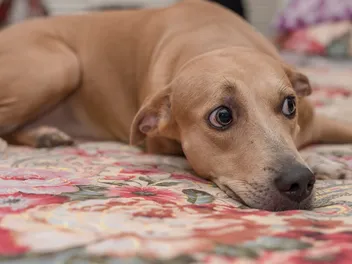
Dogs typically sleep around 14 hours a day, with most of it occurring at night and the rest spread out in short naps over the day. Sleep patterns change as your dog ages, and they are worth taking into account. However, if your dog can’t get comfortable lying down, it might mean that they don’t like the bed you’ve given them or they have a health condition causing discomfort.
If you’ve changed washing detergent, the new one might not agree with your dog and might be causing itching. Alternatively, your dog could be irritated by fleas, or lying down might cause pain. Your dog not being able to settle could also be a sign of joint pain or other mobility problems.
3. Their Habits Change
Dogs are creatures of habit. They like to eat at the same time, go for walks at the same time, and nap at the same times each day. They get into routines, and a sure sign that something is bothering your dog is if they change their habits without any need to.
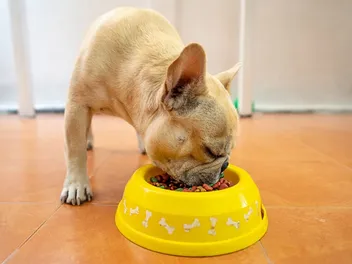
If your dog is taking longer to eat meals, it could be a sign of stomach or dental pain, or if your dog suddenly doesn’t want to go for a walk or is having trouble sleeping, an illness or injury could be to blame.

4. Increased Panting
Dogs mainly pant to regulate body temperature, so an increase in panting could mean your dog is overly warm.
Stress and anxiety can also cause panting. A change in their environment, a stranger in the house, a sudden noise, or a trip to the vet can all cause discomfort and panting.
5. Change In Mood
If your typically friendly and happy dog seems down or is less enthusiastic about greeting or playing with you, it may be another sign of discomfort. Discomfort could even cause an otherwise placid dog to become more aggressive with dogs or people. This type of behavior change usually stems from pain or anxiety, but it could also be a hormonal change.

6. Increased Grooming
Excessive grooming is another activity that can be caused by discomfort. Your dog may be uncomfortable because they have fleas or other external parasites, itchy skin, or pain. They may also be grooming excessively because of boredom, stress, or anxiety.
Take a look at your dog’s skin to see if you notice any redness, flakiness, or hair loss. Report any excessive grooming to your veterinarian for a more thorough diagnosis.
7. Change In Appetite
A change in appetite is a surefire sign, in some dogs, that something is amiss. Suddenly eating more or less could indicate that your dog isn’t feeling well or is experiencing some stress. Speak to your vet about your dog’s change in appetite and take note of any other signs, such as vomiting, diarrhea, lethargy, pacing, panting, or whining.

What To Do About It
If your dog is showing signs of discomfort, you can take steps to help improve their condition.
Check Their Bed
If your dog struggles to get comfortable when lying down, check their bed. It is damaged, have you recently washed the bedding and used a new detergent? Or could the bedding have come into contact with an irritant while drying?
Look For Fleas
Fleas are not only uncomfortable but can also cause other problems, especially if your dog is allergic to them. It can be challenging to spot fleas until there are many, but you can brush your dog and check the comb for live fleas and signs of flea dirt. Treat the fleas using topical ointments, sprays, or tablets as recommended by your vet.

Check The Temperature
Some dogs do better in hot climates, while others prefer the cold. If you see your dog shivering or excessively panting, adjust the temperature in your home. You can also insulate their bed with a warm blanket if they seem uncomfortable getting ready for bedtime.
Listen For Noises
If your dog's discomfort occurs at the same time every day or around the same time, something external could be the cause of the problem. Your neighbors might be making a lot of noise at night when they come home, or dogs in the neighborhood might be barking at the same time.
Watch For Any Signs Of Illness Or Pain
If your dog is ill or has an injury, they may struggle to get comfortable. When grooming or just petting your dog, look for signs of injury while also looking for other possible signs of illness. If you notice other signs, consult a vet so they can advise you on what to do next.

Conclusion
When a dog is uncomfortable, they may be restless, more vocal, show changes in their behavior, and start eating less and sleeping more. Look for causes of your dog’s discomfort and try to make adjustments to their environment and routine. And, if you believe the cause is illness or a possible injury, take your dog to a vet to be checked out.
Featured Image Credit: Patrick H, Shutterstock
Expert dog care, straight to your inbox
News, insights, expert advice, and everything dog.

No spam — unsubscribe anytime.
By signing up, you agree to our Terms & Conditions and Privacy & Cookies Policy.
How useful was this post?
Click a star to rate. You can leave written feedback afterwards. (We read all feedback.)
Matt is a freelance writer from the UK. He lives with his partner and daughter, as well as two cats and one dog. A data analyst by profession, Matt moved from numbers to words more than 15 years ago and has been writing ever since. Having volunteered at a local animal sanctuary, he has a lot of experience with dogs, cats, and horses. Matt has also kept bearded dragons, a variety of birds, fish, guinea pigs, hamsters, mice, and rats. His daughter has adopted the same passion for animals, keeping and breeding snakes. A geek at heart, Matt is a member of a local board gaming group and regularly forces his family to “enjoy” board games with him at home.