How Long Will It Take My Dog to Recover from Stomach Surgery? Vet-Verified Facts & Tips


In this article
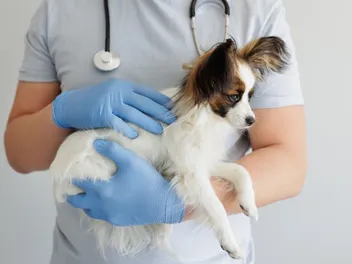
Surgery is sometimes necessary for our pets’ continued well-being. Knowing how long it will take for your dog to recover is an important factor in the early diagnosis of potential complications. Recovery times vary based on the surgery, and the vet can give you a reliable estimate. But how long for my dog to recover from stomach surgery? In general, abdominal surgeries are typically well on the road to recovery 2–3 weeks post-surgery.
Let’s explore everything you need to know about caring for your dog after surgery. So, your pup will be back on their feet and ready to go as soon as possible!

Immediate Aftercare
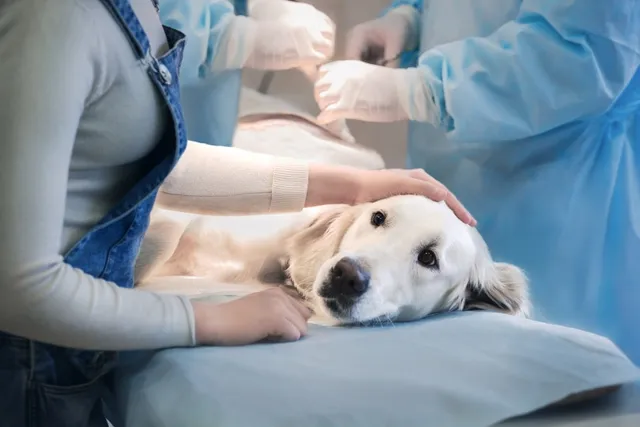
Most surgical procedures require the patient to go under general anesthesia, which will knock your dog out and keep them from feeling any pain or remembering what happened during surgery. It can take a while for anesthesia to wear off fully, and your dog may still have some lingering side effects when they first get home.
In the hours immediately following surgery, it’s common for your dog to be sleepy, lethargic, and a bit unsteady on their feet. These side effects are typical and should disappear quickly within a day. The veterinary team will likely keep your dog hospitalized until they have shown that they can eat, drink, use the bathroom, and walk around.
Your dog will likely be bruised, sore, and have less energy. This behavior is also typical and isn’t a concern unless it persists well past the “immediately following” stage. If your dog is still acting lethargic and unsteady several hours after coming home, you should contact the vet to see what they recommend. Depending on what surgery was performed, a little extra tiredness may be typical. Don’t hesitate to call the veterinarian or clinic if you have any concerns.


How to Feed a Dog After Surgery
Anesthesia is also well-known for causing queasiness and a lack of appetite. Feeding your dog a light meal, such as plain chicken and rice, will help give them energy. It's light and easy to digest, especially compared to commercial dog food. The vet will advise you on what to feed, how much, and when. They may send your dog home with an easy-to-digest clinical diet.
You should start to see your dog’s appetite beginning to return within 24 hours of surgery. If your dog is still not eating well after 48 hours, contact the vet to see what they recommend.
If your dog is not gaining their appetite back, we suggest you speak to a vet.

The Road to Recovery
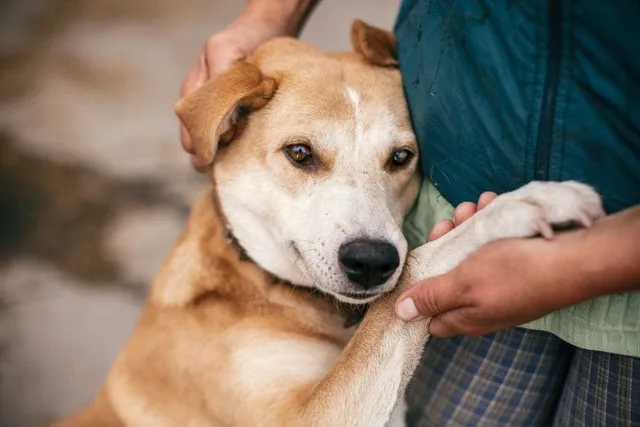
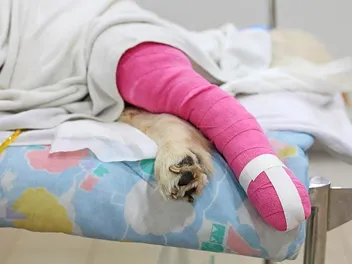
Recovery for dogs that have recently had surgery is similar to that of humans. Your dog will need to rest, avoid vigorous exercise, be given pain medication to help manage their discomfort, and be doted upon and babied. You should follow the vet’s aftercare instructions and ensure you give your dog the full round of any medications. Here are some other things that you will need to be aware of during the recovery time:
1. Medication
Vets may prescribe prophylactic antibiotics to prevent your dog from getting an infection following the surgery, pain medication to keep them comfortable, and possibly a sedative or anti-anxiety medication if your pet has a history of anxiety.
2. Always Follow Vet Advice

Vets advise against using home remedies to treat pets following surgery. The body is especially delicate after being cut open, and home remedies can often do more harm than good when the body is in such a delicate balance. Additionally, many home remedies we use for humans are highly toxic to dogs. So, if you want to use a home remedy, you should clear it with the veterinarian before using it to ensure it won’t harm your dog or interact with other medications.
3. Provide a Secure Space for Your Dog
Providing your dog with a safe and quiet place to rest after surgery is crucial. Rest is how your dog’s body will heal from the surgery. So, giving them a quiet space away from the hustle and bustle of daily life may be necessary, especially if you have other pets or children. A crate-trained dog can be put in the crate for some peace and quiet, but be sure to check up on them regularly.
4. Limit Your Dog’s Activity

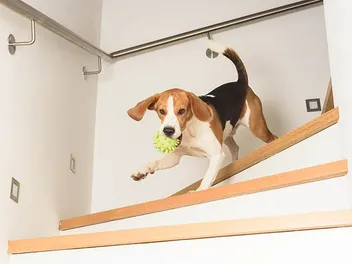
You’ll also need to limit your dog’s activity following the surgery. Vigorous play is dangerous since it can interfere with the healing process, cause hernias, or cause the wound to reopen. Most surgeries do not require cage confinement, but exercise must be limited. Keeping your dog indoors with essential trips out on the leash for potty breaks is enough for most cases. Follow the veterinarian's advice on exercise.
You may need to confine your dog to one room with no furniture or toys. This will limit your dog’s activity in the days following the surgery.
5. Get an E-Collar
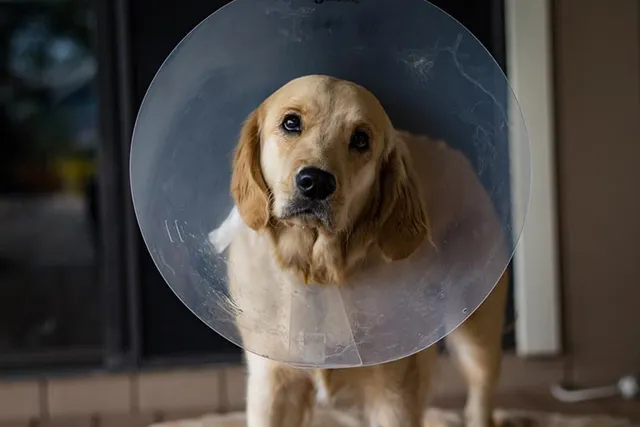
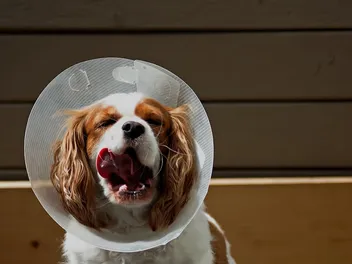
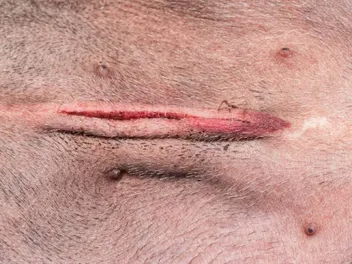
Your dog will likely require an “E-Collar (short for Elizabethan Collar, not electronic),” more colloquially referred to as “the Cone of Shame", to prevent them from licking and biting the incision site. Most dogs adjust to the cone of shame within hours of it first being introduced. However, if your dog is still having trouble relaxing with the E-Collar, the vet may recommend you use a donut collar or a medical pet shirt to prevent your dog from aggravating the incision.
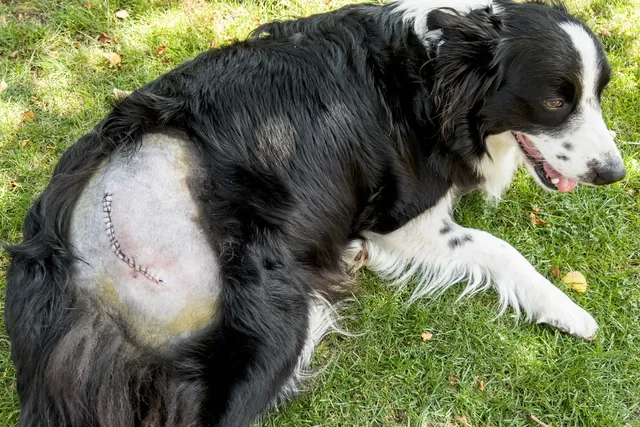
If your dog received stitches, they’ll be removed after 10–14 days. However, many vets have stopped using external stitches and now use stitches placed inside the wound that dissolve as the wound heals. You will be required to take your dog to the clinic for a post-operative checkup.
6. Prioritize Follow-up Appointments

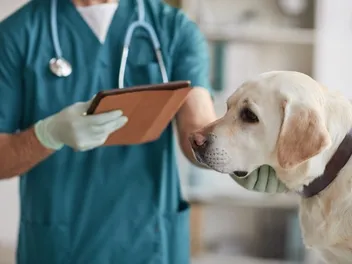
We cannot stress enough that you should not skip your dog’s follow-up appointment. If the vet scheduled a follow-up for you, there is a reason, and you should trust the vet’s decision.
Final Thoughts
Recovering from surgery is no easy task. So, do everything you can to make your dog comfortable and happy while they tackle this roadblock. With proper care, your dog will be back on their feet and back to normal life within a few weeks of the surgery.
Related Read: Do Dogs Have to Fast Before Surgery? Our Vet Explains
Featured Image Credit: Olimpik, Shutterstock
Expert dog care, straight to your inbox
News, insights, expert advice, and everything dog.

No spam — unsubscribe anytime.
By signing up, you agree to our Terms & Conditions and Privacy & Cookies Policy.
How useful was this post?
Click a star to rate. You can leave written feedback afterwards. (We read all feedback.)
I’m a freelance writer with a passion for animal science and technology. I love to share the world of animal science with people to help them make informed decisions for themselves and their pets. I’ve worked in professional pet care for over six years and realised I could help change the world of pet care by bringing the information people needed to them in terms they could understand. Knowledge is power and I love to help everyone become the most informed they can be.