How Long Will It Take for Dog Stitches to Dissolve? Vet-Verified Facts & FAQ


In this article
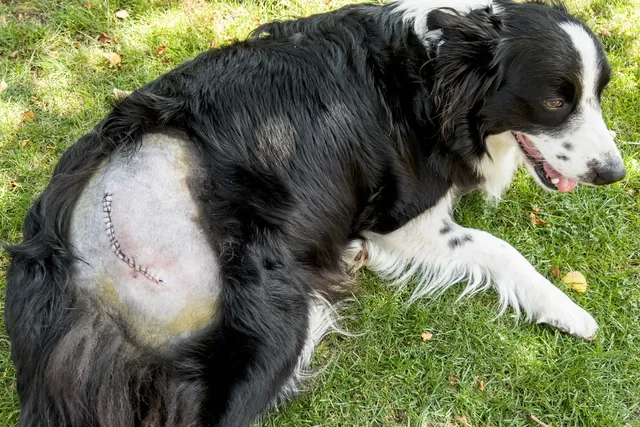
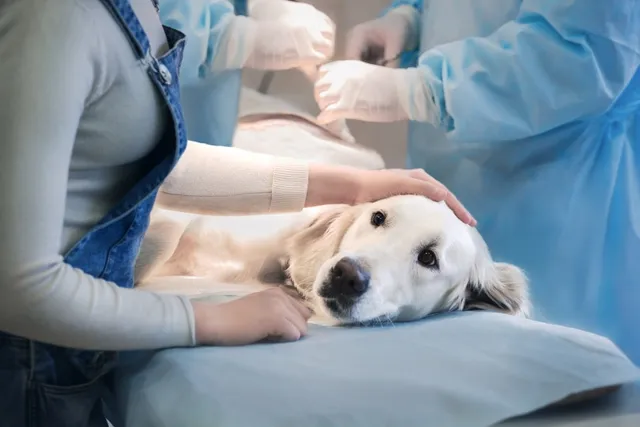
If your dog is about to have surgery, such as a spay or neuter, they’ll have stitches to deal with after. And those stitches may be dissolvable, depending on what they are having done. What are those? Exactly what they sound like—stitches that dissolve and either fall out or get absorbed over time, meaning you don’t have to go back to have them removed.
If that’s what they’ll end up with, you’ll want to know how long it takes for these stitches to dissolve so you know whether things are healing as they should. In most cases, a dog’s stitches should dissolve anywhere from 1 to 4 months. That time range takes into account the type of dissolvable stitches used and how long it takes your dog to heal. Taking proper care of their incision site will help things along, though.

How to Care for Your Dog’s Incision Site
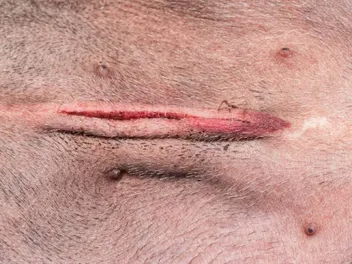
If you’ve ever had surgery, you probably remember the directions you were given about keeping your incision site dry (at least for a few days after surgery). The same goes for your dog. That means no baths and not applying creams or disinfectants to the area (unless your vet specifically instructed it).
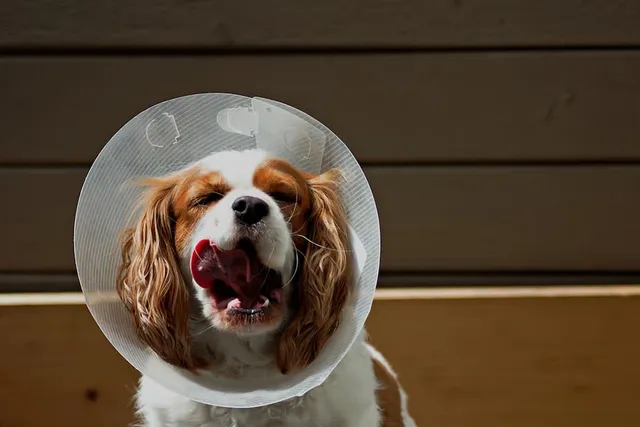
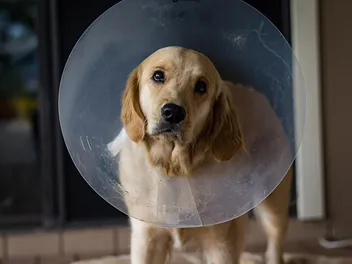
However, there’s a bit more to do than just keeping your dog’s incision site dry. You’ll also need to ensure your dog isn’t chewing or licking at the site (here’s where the cone of shame comes in handy!). Your pup’s activities will need to be restricted for a week or two; that means no running off-leash, long walks, jumping around, etc. Too much activity could cause the incision site to re-open, and neither of you wants that!
Other than that, if your dog’s stitches aren’t covered, you’ll want to check about twice a day to make sure they haven't become infected or started bleeding.

What Is a Suture Reaction?
Sometimes dissolvable stitches get absorbed into the body rather than falling out. If that’s the case with your dog, there’s a chance that a suture reaction may occur. What exactly is that?
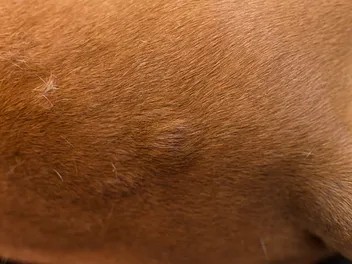
A suture reaction happens when a dog’s body rejects this foreign substance, which triggers an immune response such as inflammation. Your pet’s body will then try to get rid of the stitches by attempting to push them out, dissolve them, or break them down, which might lead to a bump (or bumps) appearing along the incision site.
If you think a suture reaction has occurred in your dog, you’ll want to take them to the vet, as they might need to remove the stitches.
Final Thoughts
If your four-legged friend is about to have or has just had surgery and ends up with dissolvable stitches, they should fall out or be absorbed within 1 to 4 months. It just depends on the material used and how long it takes your pup to heal. You can help your dog with healing, so things move along as they should. by keeping the incision site dry, restricting activity right after the surgery, and keeping them from chewing or licking at the stitches.
You’ll also want to check the incision site daily to ensure there’s no infection or suture reaction occurring. If you see inflammation or bumps, you’ll want to talk to your vet to see if the stitches should be removed or if antibiotics should be given.
See Also:
Featured Image Credit: Di Studio, Shutterstock
Expert dog care, straight to your inbox
News, insights, expert advice, and everything dog.

No spam — unsubscribe anytime.
By signing up, you agree to our Terms & Conditions and Privacy & Cookies Policy.
How useful was this post?
Click a star to rate. You can leave written feedback afterwards. (We read all feedback.)
Misty Layne lives out in the woods in small-town Alabama with her two Siamese - Serafina & Jasper. She also has an array of stray cats, raccoons, and opossums who like to call her front porch home. When she’s not writing about animals, you’ll find her writing poetry, stories, and film reviews (the animals are, by far, her favorite writing topic, though!). In her free time, Misty enjoys chilling with her cats, playing piano, watching indie and foreign films, photographing abandoned places, and catching up on her never-ending TBR list.