How Long Does It Take Dogs to Recover From Being Spayed? Vet-Reviewed Facts


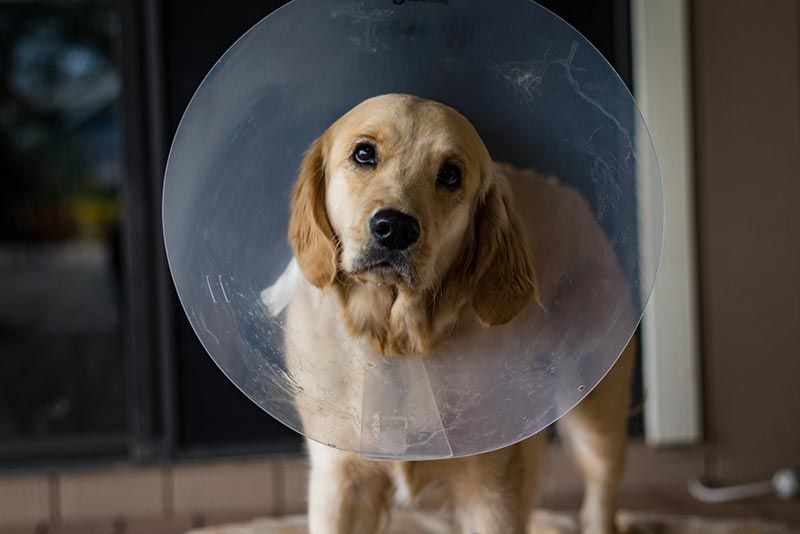
If you're like most pet owners, you want to do whatever is best for your furry friend. That's why you may be wondering how long it takes dogs to recover from being spayed. The good news is that the vast majority of dogs make a full recovery within a few weeks.
In this post, we will explore some of the factors that can affect how long it takes dogs to recover from being spayed. We will also discuss tips for speeding up the healing process.

What to Expect After Your Dog Is Spayed
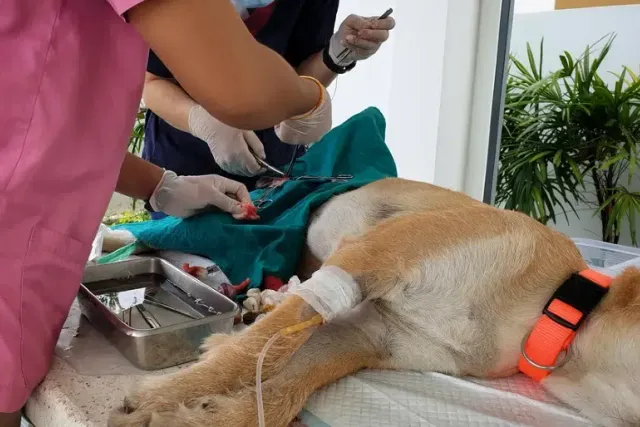
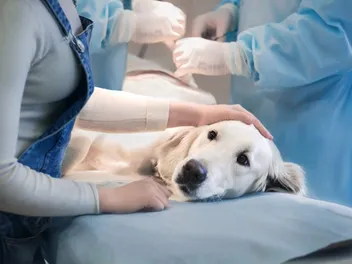
After your dog is spayed, she will likely experience some discomfort for the first few days. This is normal and should not be cause for concern. Your vet may prescribe pain medication to help your dog through this period. You can also help by making sure she has a comfortable place to rest and plenty of fresh water to drink.
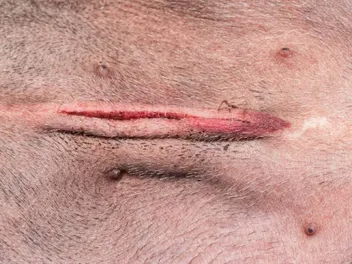
The incision site will also need to be monitored closely. Keep an eye out for any redness, swelling, or discharge. If you notice any of these signs, contact your vet immediately.
How Long Is Recovery?
In most cases, dogs make a full recovery within two weeks of being spayed. However, some factors can influence how long it takes for your dog to heal completely.
1. Age
A dog's age is one of the biggest factors that can affect healing time. Puppies heal much faster than older dogs. This is because they have more robust immune systems and higher levels of energy. Older dogs, on the other hand, may take longer to recover due to their reduced immunity and slower metabolism.

2. Weight
Just like in humans, a dog's weight can also affect healing. Overweight or obese dogs may have a more difficult time recovering from surgery. The extra weight can make it harder for the incision to heal properly.
3. Breed
Certain breeds of dogs are also more prone to complications after surgery. For example, toy breeds such as Poodles and Chihuahuas are more likely to develop hypoglycemia, or low blood sugar. This can delay healing and cause other complications.

4. Health
The overall health of your dog is another important factor to consider. Dogs with underlying health conditions such as diabetes or heart disease may take longer to recover from surgery. This is because their bodies are already working overtime and may have a harder time fighting off infection.
5. Surgery Complications
Although rare, complications can occur during or after surgery. These can include things like bleeding, infection, and reaction to the anesthesia or stitches. If your dog experiences any of these complications, it will likely prolong the healing process.

6. Recovery and Aftercare
The way you care for your dog during the recovery process can also affect healing time. It's important to follow your vet's instructions carefully and keep the incision clean and dry. You should also avoid giving your dog any strenuous activity until the incision has healed completely.
7. Recovery Environment
The environment your dog is in during the recovery process can also influence healing. Dogs who are kept in a clean, quiet, and stress-free environment will typically heal faster than those who are not.

8. Activity Level During Healing
Another factor that can affect healing time is your dog's activity level during the recovery process. Over-exuberance and exercise can result in increased strain on the healing tissues. Gentle lead walks for toileting purposes are usually fine but follow your vet's instructions.
9. Diet
What your dog eats during the recovery process can also play a role in healing. Dogs who are fed a nutritious diet will typically recover faster than those who are not.

10. Wound Care
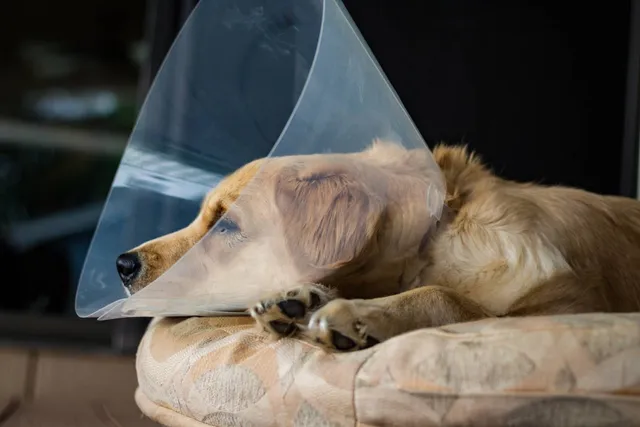
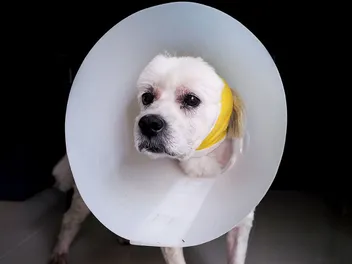
Wound care is an important part of the recovery process. It's important to keep the incision clean and dry to prevent infection. You should also ensure that your dog is not licking at the stitches.
Tips for Speeding Up Healing
There are a few things you can do to help your dog heal more quickly:

Spaying FAQ
Why should you spay your dog?
Spaying your dog has a number of benefits. It can help to reduce the risk of certain cancers, including breast cancer and ovarian cancer. It will also help to prevent pyometra (a life-threatening infection of the uterus). Spaying will also help to reduce the number of unwanted puppies born each year.
How old does a dog have to be before she can be spayed?
Most dogs can be spayed as early as eight weeks of age and this is often the case for dogs in an animal shelter. However, some veterinarians recommend waiting until the dog is at least six months old or in certain breeds even older. Discuss the timing of spaying with your veterinarian as there are many factors to take into consideration.
What are the risks of spaying a dog?
There are some risks associated with any surgical procedure, including spaying. These risks include bleeding, infection, and reaction to the anesthesia. However, these complications are rare and usually minor. The most common postoperative problems seen at the vet clinic are caused by dogs licking their wounds or over-exercising in the recovery period.

How long does it take for a dog to recover from being spayed?
Recovery times vary from dog to dog, but most dogs are back to their normal selves within two weeks. Full healing of all the tissues however takes longer but they are well on their way by 2 weeks. Exercise should be gradually increased after this.
What is the best age to spay a dog?
There is no one “best” age to spay a dog. The decision of when to spay should be made on an individual basis, taking into account the health of the dog and the owner’s preferences.
How much does it cost to spay a dog?
The cost of spaying a dog can vary depending on the veterinarian, the age and size of the dog, and the geographic location. In general, expect to pay between $200 and $500 for the procedure.
Does spaying a dog make her lazy?
No, spaying a dog does not make her lazy. In fact, most dogs are just as active after being spayed as they were before. However, they have reduced calorie requirements and so will not need as much food or they will become overweight.

How do I prepare my dog for surgery?
You should talk to your veterinarian about how to prepare your dog for surgery. They will likely recommend that you withhold food and water for a period of time before the procedure, usually overnight.
My dog was just spayed. When can she play?
You should avoid giving your dog any strenuous activity until the incision has healed completely. This is usually two to three weeks after surgery. It is recommended your dog has a post-operative check and you can discuss exercise re-introduction then.
How often does a dog need to be spayed?
A dog only needs to be spayed once in her lifetime. The most common method of spaying removes the uterus and ovaries.

What are the side effects of spaying a dog?
The most common side effect of spaying a dog is temporary discomfort and swelling at the incision site. Other potential side effects include weight gain, urinary incontinence, and behavioral changes.
How do I care for my dog after spay surgery?
Your veterinarian will give you specific instructions on how to care for your dog after spay surgery. In general, you should keep the incision clean and dry, and avoid giving your dog any strenuous activity until the incision has healed completely.
When can I take my dog home after she's been spayed?
Many dogs can go home the same day as their surgery but some clinics keep them overnight for monitoring and additional pain relief.
Conclusion
Spaying your dog has a number of benefits, including reducing the risk of certain cancers, preventing pyometra, and reducing the number of unwanted puppies born each year. Most dogs can be spayed as early as eight weeks old, but some veterinarians recommend waiting until the dog is at least 6 months old. There are some risks associated with any surgical procedure, including spaying.
However, these complications are rare and usually minor. Recovery times vary from dog to dog, but most dogs are back to their normal selves within two weeks.
If you are considering spaying your dog, talk to your veterinarian about the best age to do so and what you can expect in terms of recovery time and long-term effects. And don't forget to take time to feel good about yourself for doing the best thing for your dog and your community!
Related Reads:
Sources
Featured Image Credit: Kyla Metzker, Shutterstock
Expert dog care, straight to your inbox
News, insights, expert advice, and everything dog.

No spam — unsubscribe anytime.
By signing up, you agree to our Terms & Conditions and Privacy & Cookies Policy.
How useful was this post?
Click a star to rate. You can leave written feedback afterwards. (We read all feedback.)
Nicole has loved animals of all sizes her whole life so it's no wonder she has dedicated her career to helping them through what she loves best: learning, writing, and sharing knowledge with others. She’s the proud mom of two dogs, a cat, and a human. With a degree in Education and 15+ years of writing experience, Nicole wants to help pet parents and pets around the planet to live happy, safe, and healthy lives.