Does a Dog Heal Faster Than a Human? The Canine Healing Process (Vet Reviewed)


Dogs and humans have different ways of reacting when they get hurt. While many of us seek out medical assistance when we need it, dogs prefer to keep their ill health to themselves. This can lead to the common belief that dogs heal faster than we do. However, this isn’t always true. Injuries for both humans and dogs go through the same healing process and progress at similar rates.
There are a few things that can change how fast our dog heals. Age, the immune system, and how well the injury is looked after are the biggest factors in how fast your dog recovers. It is also possible to help them recover faster.
We put together this guide to explain why dogs don’t heal faster than humans, despite popular belief.

Why Do Dogs Appear to Heal Faster Than Humans?
The belief that dogs heal faster than humans might not be entirely accurate, but it is based on how our dogs react to their injuries. Here are a few reasons that dogs seem to recover faster than we do.
High Pain Tolerance
Although it’s never pleasant to think about our dogs being in pain, they do appear to have a higher pain tolerance than we do. This tolerance can change depending on the individual dog1 or their breed.
It’s this pain tolerance that can make it seem like dogs heal much faster than we do. Not only do dogs appear to bounce back after surgery, but minor injuries also don’t often seem to faze them at all.

Instinct
While domesticated dogs don’t have to worry about fending for themselves in the wild, their instincts still tell them to hide any injuries that they have for survival. This can make it incredibly difficult for us to know when a dog is in pain unless it’s serious enough that they can’t hide it at all.
Most of the time, you might not realize that your dog is injured until you notice them favoring their leg after jumping off the couch, which could be days after they first got hurt. If you only catch the tail end of their recovery, it might seem like they recover faster than we would from a similar injury.
Medical Treatment
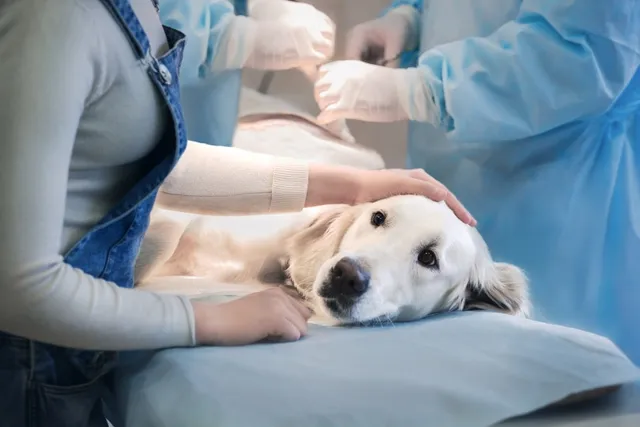
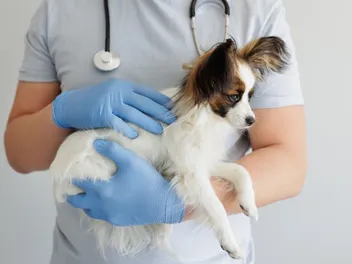
Like us, dogs can benefit from having their injuries treated by someone who knows what they’re doing, like a licensed veterinarian. The initial treatment of a wound and how it’s cared for during their recovery can make the difference between a speedy, healthy recovery and not recovering at all.
How Fast Does a Dog Heal?
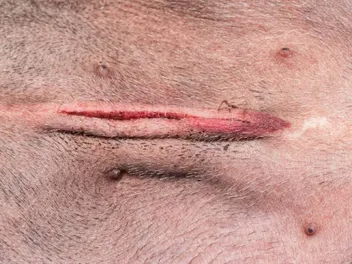
Despite their different immune system and body structure, a dog’s healing process is the same as our own. As they heal, their injury will go through four stages:
Like humans, how fast dogs progress through each stage and recover from an injury or surgery depends on several factors.
Age
The younger your dog is, the faster their healing will be2. This is one of the reasons that spaying and neutering are procedures recommended for younger pets. Their cells and tissues are more resilient and faster at recovery. This makes the healing process much faster than it is for older dogs.

Treatment
A lack of proper treatment can extend the time that it takes for your dog to recover. Too much activity too soon after surgery or excessive licking can cause the wound to reopen. An open wound or improper treatment can result in infection, which can also lengthen the amount of time that it takes for your dog to recover.
If you're concerned about your dog's recovery, we suggest you speak to a vet.
Type of Injury or Surgery
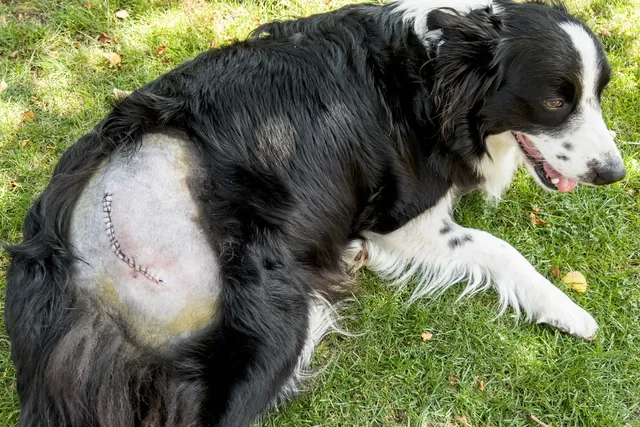
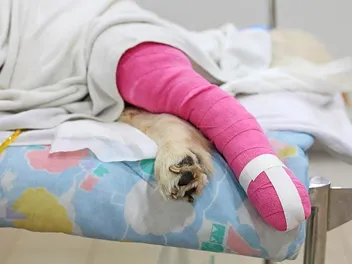
Another factor that can interfere with how long it takes your dog to heal is the type of injury that they sustain or the surgery that they undergo. Serious, uneven, and contaminated wounds, like bites from another dog or broken bones, can take months to heal, while sterile and controlled wounds from spaying or neutering may only take a few weeks.
Recovery also depends on whether the surgery itself causes any complications during your dog’s recovery.
How to Help Your Dog Heal Faster
Now you know that many factors influence how long it takes your dog to heal, you can help boost their healing time. With proper care and attention, your best friend will be back to their rambunctious self in no time at all.
E-collar
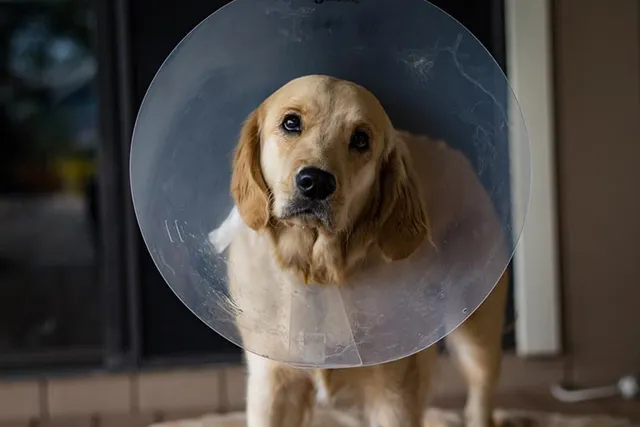
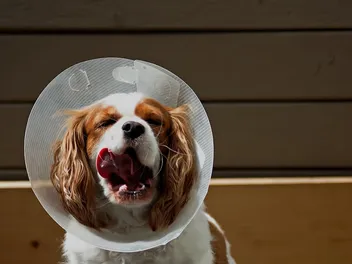
Despite being known as the “cone of shame,” an E-collar is incredibly useful. It’s designed to help promote healing by preventing your dog from interfering with the initial healing process.
Dogs are well-known for their tendency to bite at or lick their wounds as they recover, which can reopen surgical incisions and even introduce harmful bacteria into the wound. There is a belief that dogs lick their wounds to help heal them with the antibacterial qualities3 in their saliva. While this can sometimes help, not all wounds benefit from being licked.
Your veterinarian will recommend that you keep your dog in an E-collar after surgery for about 2 weeks. While it will result in betrayed puppy dog eyes from your four-legged friend, it’s one of the best ways to keep their wound clean.

Limited Activity
Most of the time, dogs will limit their activity themselves while they recover from a wound. While their pain tolerance might be higher than ours, pain also tells them when they shouldn’t push themselves too far. It’s up to us to help prevent them from using too much energy or moving around during their recovery, especially if they are on pain medicine.
This is where crate training comes in handy. Using a crate is a good way to prevent your dog from moving around too much while you are out at work. If you have not crate trained your dog, though, you can restrict them to one room instead of giving them the run of the house. It is also best if you don’t let them jump up onto furniture, climb stairs, or go for long walks until they’ve properly recovered.
Reassurance
Nobody enjoys feeling less than their best, and while some dogs handle surgery better than others, some can be frightened by the experience. This also extends to them not understanding why your behavior toward them has changed, especially if you keep them restricted to small areas of the house when they had free range before their surgery.
Anxiety can make dogs restless and can be a result of both the discomfort of their injuries and worry about the change in their routine. Reassuring your dog with positivity and calm games to keep their minds active will do wonders to promote their healing.
Wound Care
Tending to injuries doesn’t end when your dog comes back home after surgery. Your veterinarian will give you medications to use while your dog is recovering. It’s important that you follow the directions provided until your dog has fully recovered.
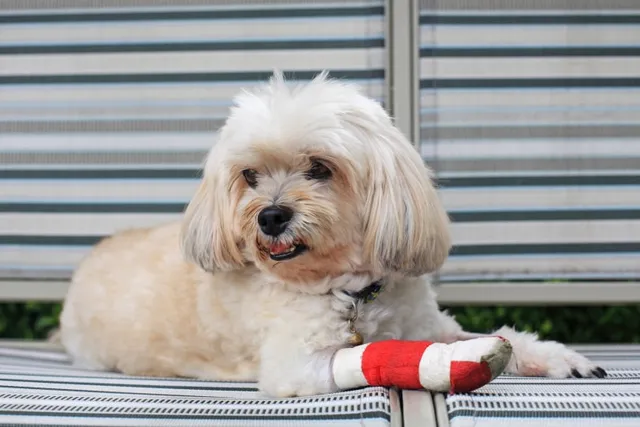
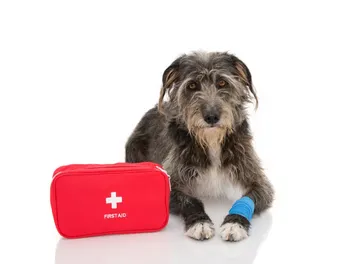
Redressing injuries, keeping wounds clean, limiting activity, and paying close attention to any signs of infection are all essential if you want your dog to heal properly.

Final Thoughts
Due to their preference for hiding their injuries and masking their pain, dogs are often believed to heal much faster than humans do. However, this isn’t always the case. While it’s possible to help speed up the healing process after an injury by properly treating the wound, dogs follow the same healing process we do. It also takes them about the same time to heal from their injuries, even if they do seem to bounce back quicker after undergoing surgery.
Featured Image Credit: Bogdan Sonjachnyj, Shutterstock
Expert dog care, straight to your inbox
News, insights, expert advice, and everything dog.

No spam — unsubscribe anytime.
By signing up, you agree to our Terms & Conditions and Privacy & Cookies Policy.
How useful was this post?
Click a star to rate. You can leave written feedback afterwards. (We read all feedback.)
Nicole has loved animals of all sizes her whole life so it's no wonder she has dedicated her career to helping them through what she loves best: learning, writing, and sharing knowledge with others. She’s the proud mom of two dogs, a cat, and a human. With a degree in Education and 15+ years of writing experience, Nicole wants to help pet parents and pets around the planet to live happy, safe, and healthy lives.