How to Prepare Your Dog for Surgery: Our Vet Explains What to Do


In this article
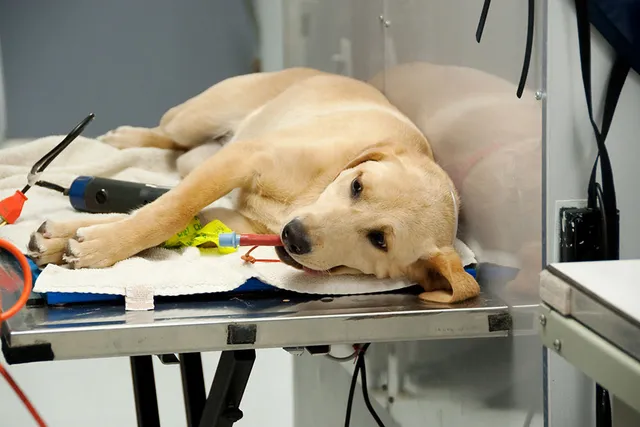
Surgical interventions are a part of the life of many pets. Most dogs will undergo surgery only once in their lives to be spayed or neutered. Other dogs will have scheduled surgical procedures to extirpate nodules, warts, tumors, etc. There are also biopsy procedures and exploratory or emergency surgeries. In the latter, the vet may suture open wounds, remove intestinal foreign bodies, perform gastric dilatation-volvulus surgery, remove stones from the urinary bladder or urethra, etc.
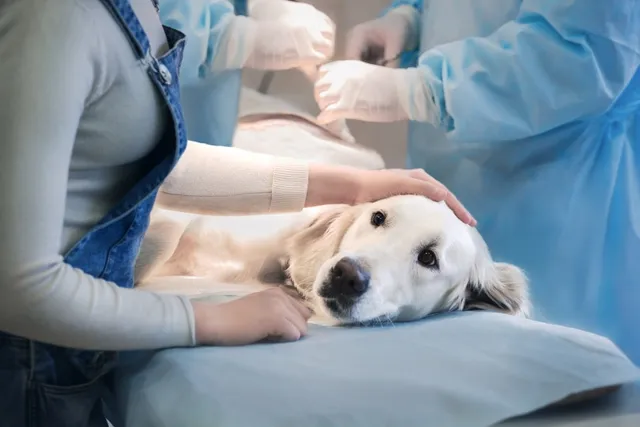
Regardless of the reason that dogs are scheduled for surgery, this procedure can cause confusion and fear among owners. By knowing what to expect, the surgery, hospitalization, and recovery at home will seem less scary and confusing.
Preparing your dog for surgery is easy to do in the case of planned surgical interventions. You know when the surgical intervention will take place, so you will be calmer and have everything ready. Emergency interventions are those that take the owners by surprise and create apprehension because they don't have time to plan or know what to expect.

Preparing Your Dog for Surgery: Step by Step
Preparing your dog for surgery is not complicated. The following mini guide includes two important moments: the night before surgery and the morning before surgery.
The Night Before the Surgery
Preparing your dog for surgery starts the night before and includes six steps.
1. Stop Offering Your Dog Food the Night Before the Surgery
The most important thing is to stop giving your dog food 8–12 hours before the surgery. In some cases, the veterinarian may recommend a longer or shorter period. Your dog's stomach must be empty during the procedure to reduce the possibility of your pet vomiting and aspirating the vomited material into the lungs, which can be life threatening.
Your vet may also recommend not giving your pet water. But usually, dogs should only not be allowed to drink water approximately 2–4 hours before the surgery.
If your dog typically lives in the backyard, keep them inside or otherwise locked up overnight. This way, you will make sure a friendly neighbor does not feed them.
If your dog does eat or drink right before surgery, be sure to let your vet know. Consuming food or water before surgery does not necessarily mean the surgery will be postponed. It just alerts your vet that if your dog starts to feel nauseated when the anesthetic is administered, they will need to supervise them in case of vomiting or administering an antiemetic.

2. Give Them Medicine
If you are giving your dog a certain medication, check with your veterinarian to see if it is still possible to administer that drug the night/morning before surgery. In the case of certain medicines, the continuation of administration is crucial.
3. Bathe and Groom Them
If you think that your dog needs a bath, now would be the time. After the surgery, you will not be able to bathe your dog for at least 14 days or until the incisions are healed. If bathing is not necessary, just give your pet a routine brushing the night before surgery. Some pets will not want you to brush them after surgery.
You can also clean their ears and trim their nails. If your dog does not like to have their nails trimmed and ears cleaned, you can ask the veterinarian to perform these procedures after the surgery, when your pet is still under anesthesia.

4. Avoid Long Walks and Intense Playtime
It is recommended to avoid intense physical exercise before surgery, such as long walks and extreme playing, as it can result in muscle soreness the next day. Your dog will already be in pain after the surgery and does not need extra muscle aches to increase their suffering.
5. Wash Your Dog’s Bedding
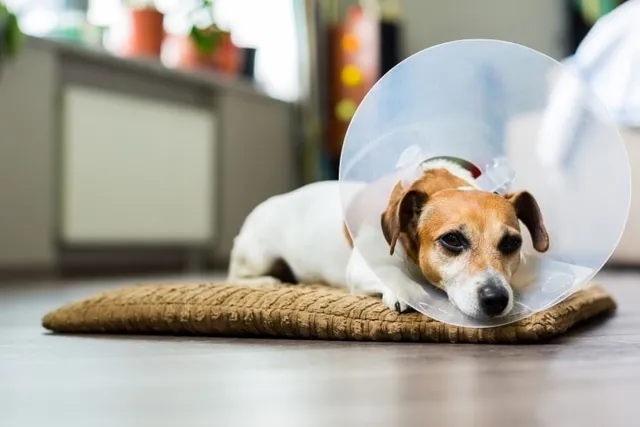
Consider cleaning or washing your dog's bedding just before surgery. This way, your companion can come home to a clean and fresh bed that is even better suited for their incisions.
If it is necessary to limit your dog's activity after surgery, isolate a larger area of the house or prepare a basket or a cage. It is recommended to do this before coming home with your dog to minimize stress. It will take your pet several hours to fully wake up from the anesthesia, and any fuss around them can cause unnecessary stress.

6. Get a Good Night’s Sleep
Make sure both you and your dog get a restful sleep. This will reduce stress and anxiety for you and your companion.
The Morning Before the Surgery
The morning before surgery will be more challenging because your dog will be hungry—and they will make you feel guilty about it.
Here are the steps that you must follow the morning before the surgery:
You should also avoid emotional goodbyes, as pets can sense and pick up on your mood. Help your dog remain calm and relaxed before the surgery.
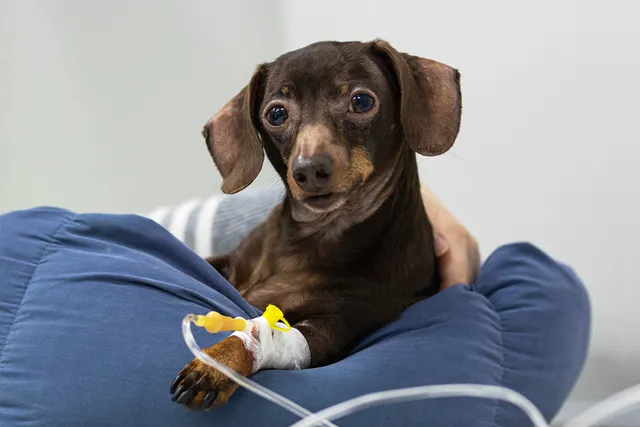
Before you take your dog home, don’t forget to talk to the veterinarian about your pet’s diet after surgery. Depending on the surgical procedure and your dog’s health condition, the doctor may recommend certain veterinary diets to help them recover faster.

Coming Home With Your Dog After the Surgery
Usually, the veterinarian will give you instructions on what to do once you get home with your dog.
Here are the most common recommendations:
Conclusion
Knowing that your dog will undergo a surgical procedure can be scary and stressful. But keep in mind that your dog may pick up on your mood and start to stress too.
Understanding the steps and how to prepare your dog before surgery can bring you mental comfort. Also, in this way, you will help your dog get over this unpleasant experience more quickly and easily.
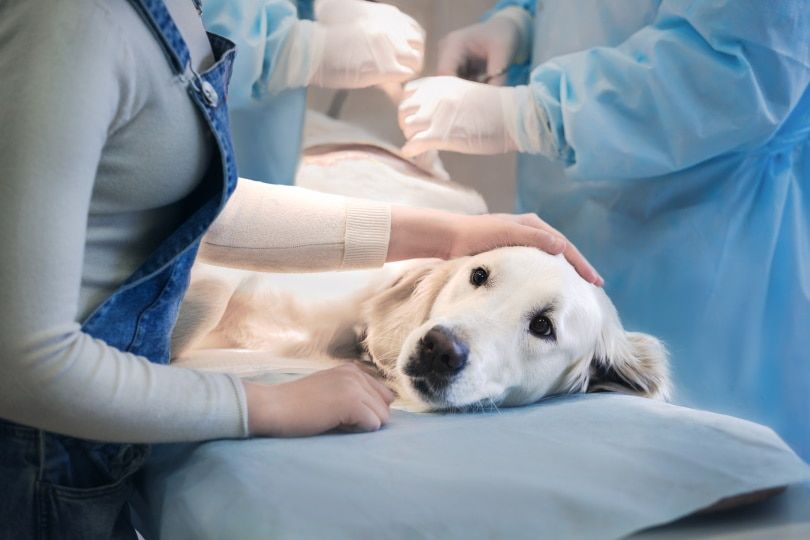
Featured Image Credit: Olimpik, Shutterstock
Expert dog care, straight to your inbox
News, insights, expert advice, and everything dog.

No spam — unsubscribe anytime.
By signing up, you agree to our Terms & Conditions and Privacy & Cookies Policy.
How useful was this post?
Click a star to rate. You can leave written feedback afterwards. (We read all feedback.)
Dr. Iulia Mihai, DVM MSc (Veterinarian)
Dr. Iulia Mihai is a veterinarian with more than 13 years of experience in laboratory, cancer and pet pathology. Dr. Mihai studied at the University of Agronomical Sciences and Veterinary Medicine of Bucharest, Romania. She has a master’s degree in equine and pet pathology and studied epithelial cancer for her Ph.D. Iulia has a passion for internal medicine and parasitology and started volunteering at the faculty’s clinic in her third year of college. She enjoys writing and educating people about disease prevention, nutrition, behavior, and treatment. She has worked in a couple of veterinary clinics over the years as an internal medicine specialist.