Enterococcus Faecium for Dogs: Benefits & Side Effects (Vet Answer)

In this article
You’ve probably heard about the health benefits of including probiotics in our diet, like improved digestion and strengthened immunity, but how many of you have thought about what that really means? What are probiotics, and where do they come from? Do probiotics have the same benefits for our dogs?
We’re going to answer all those questions and more, starting with one commonly encountered probiotic organism, Enterococcus faecium. This bacterial species has numerous strains, some of which can contribute to gut health and improved performance, while others can be deadly.
Let’s take a look at how E. faecium can benefit our dogs, and how we may be walking a fine line between therapeutic and pathogenic.

What Are Probiotics?
An important part of digestion is the breaking down and fermentation of food by the acids and enzymes produced by the body. This process is aided by bacteria that live inside the intestines. Often referred to as gut microbiota, microflora, or ‘good’ bacteria, these organisms help break down food into particles that can be absorbed into the bloodstream and used by the body.1 This process is particularly important to herbivorous species, whose diet consists of fibrous, thickened plant walls that cannot be digested without these bacteria. They are of less importance for carnivorous species like cats, but with the diverse diet of the domestic dog, a healthy gut biota can be essential.
Ordinarily, animals would consume and grow an appropriate level of gut flora from their food and the environment, without human intervention. However, modern diets, and the level of antibiotic and antimicrobial products used and prescribed, can be damaging to these organisms, which is where probiotics come in.
After farmers realized that adding more of these ‘good’ bacteria into the diet of their animals improved their overall health and production levels, small animal veterinarians and nutritionists applied the same principle to pets, with the results ranging from subtle to significant improvements in digestion, vitality, and stool quality. This suggested that dogs with poor digestion may also benefit from the inclusion of probiotics in the diet.
GOOD vs. BAD BACTERIA

What Is Enterococcus Faecium?
E. faecium is a gram-positive, spherical organism that is part of a group of bacteria known as Lactobacillus, and it is one of the more common bacterial species found in the gut. It is also an item you might recognize from the ingredients list on your pet’s food, particularly if it boasts ‘probiotic’ activity. Being resistant to high temperatures, stomach acids, and bile salts, it is considered to be an ‘ideal’ probiotic choice and thrives in the intestine.
What Are The Benefits of Enterococcus Faecium?
Preventing the growth of harmful bacteria
E. faecium colonizes and proliferates well in the gastrointestinal tract, and in doing so, outcompetes many harmful bacteria that may otherwise try to grow.2 As a result, there is the double benefit of aiding digestion and preventing infection.
Improving immunity
Studies of the effects of E. faecium in production animals have shown that its inclusion in the diet can significantly increase levels of circulating immunoglobulin G, improving the body’s immune system.
Improving intestinal health
In addition to aiding the breakdown and digestion of food, research has found that a population of E. faecium in the intestines has a cascade effect of improving the overall microbiota health and function, resulting in less inflammation, healthier gut wall, and reduced levels of toxic byproducts from digestion.

What Are The Side Effects of Enterococcus Faecium?
At this stage, there have been relatively few scientific investigations into the potential side effects of giving probiotics to our dogs. However, the available information does not suggest that there are any recognized threats or adverse reactions to probiotics.3
Of more significant concern is the development of antibiotic resistance, and what impact that may have on our dogs, and on humans.

Potential Problems with Enterococcus faecium
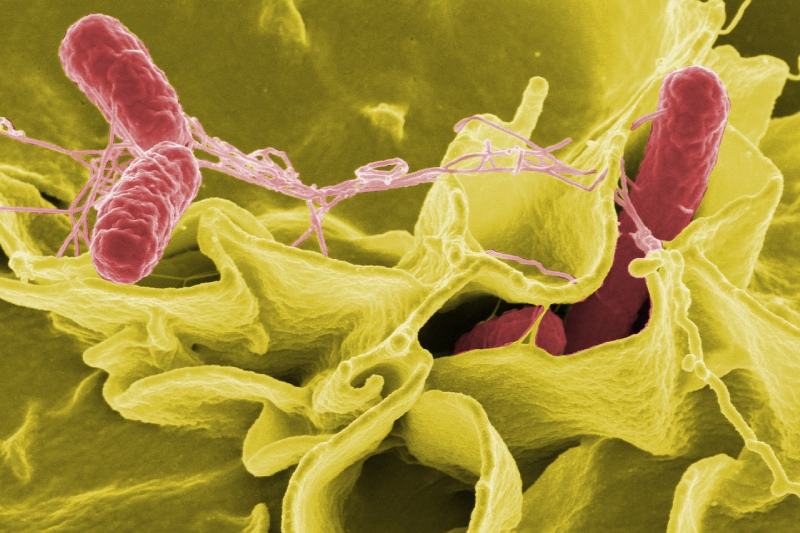
Although E. faecium is largely regarded as a beneficial or ‘commensal’ bacteria, there are some strains that possess harmful or ‘virulent’ factors that can lead to cell and tissue damage, resulting in dangerous infections in both pets and humans, such as pyometra (infection of the uterus), cystitis (bladder infection), and endocarditis (infection of the heart valves).
Compounding the problem with these infections is that overuse and misuse of antibiotics have resulted in significant levels of antibiotic resistance in the Enterococcus species, which can turn simple infections deadly.
Studies have also shown that dogs and cats often carry significant levels of E. faecium in their mouths, making them a potential source of infection to their owners.4 However, the strains of E. faecium used in probiotic formulas are not the same strains that will cause infections, so don’t go throwing away your probiotics! But, it is important to make sure you are getting your products from a reputable source.

Does My Dog Need Probiotics?
Dogs on a high-quality, nutritionally balanced diet do not necessarily need probiotics added to their food, but it's certainly not going to do them any harm. Many vets will now dispense a probiotic alongside a course of antibiotics to help keep your dog’s gut flora happy during treatment, or you can request some yourself.
If your dog has issues with reflux, gas, loose stools, or diarrhea, probiotics may help improve their digestion, but they shouldn’t be your first line of treatment. Any severe or chronic digestive issues need to be worked up by a vet to ensure there isn’t something more sinister going on.
Probiotics can also be useful if you are transitioning your dog from one type of food to another, or if they have had an episode of vomiting, diarrhea, or any other gastrointestinal disease.
Final Thoughts
Although the name Enterococcus faecium might not sound very appealing, this bacterial organism is something we want to keep around - provided it’s the right strain. Not only does it improve the immunity, digestion, and health of our dogs, it can also help to prevent other harmful bacteria from taking hold.
Our overreliance and misuse of antibiotics and antimicrobial products can have a damaging effect on the gut’s natural flora, so some dogs (and humans) may benefit from the addition of probiotics to their diet. While the E. faecium growing in the gut is of a ‘helpful’ variety, there are strains of the same organism that have become resistant to antibiotic treatment and can cause serious infection. Always be careful when playing with your pets, and remember to wash your hands at the end of a cuddle session.
Sources
Featured Image Credit: Pixel-Shot, Shutterstock
Expert dog care, straight to your inbox
Vet-reviewed advice, training tips, and the best of Dogster. Free, and you can unsubscribe anytime.
By signing up, you agree to our Terms & Conditions and Privacy & Cookies Policy.
Nicole has loved animals of all sizes her whole life so it's no wonder she has dedicated her career to helping them through what she loves best: learning, writing, and sharing knowledge with others. She’s the proud mom of two dogs, a cat, and a human. With a degree in Education and 15+ years of writing experience, Nicole wants to help pet parents and pets around the planet to live happy, safe, and healthy lives.
Join the conversation
Ask a question, share your story, or send private feedback.