Can Dogs Get Salmonella? Vet-Reviewed Facts & Treatment Options


In this article
Dogs are wonderful companions and are often regarded as a part of the family. As pet owners, we all want to ensure that our furry friends are healthy and happy.
One question that often comes up is whether dogs can get salmonellosis, also known as salmonella, a bacterial infection commonly associated with food poisoning. The answer is yes, dogs can get infected with salmonella, and it can be a serious health issue.
Still curious about salmonella in dogs? Read on as we discuss what salmonellosis is, what causes it in dogs, and some signs, diagnosis, treatment, and tips on its prevention!

What Is Salmonella in Dogs?
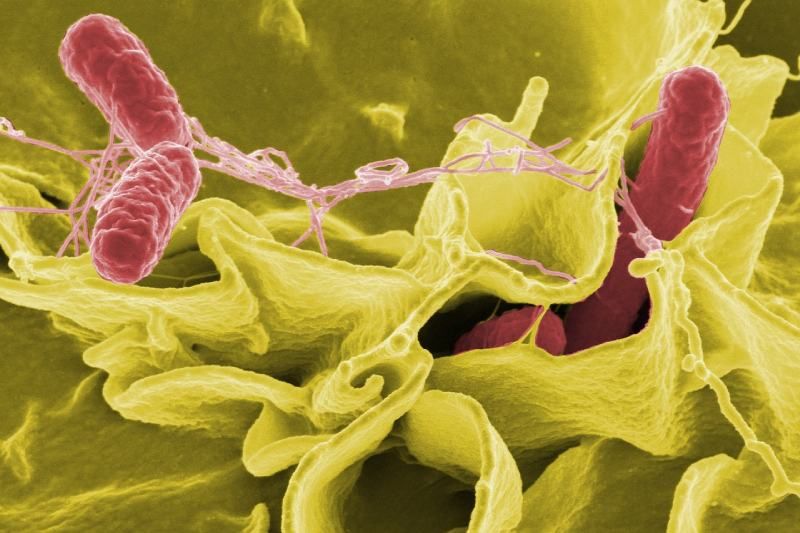
Salmonellosis is an infection caused by the bacteria Salmonella spp. The disease is sometimes referred to by the causative agent itself. However, in practice, the distinction between the two terms is important, as many times, dogs may harbor the bacteria without having any signs of illness. Episodes of food poisoning in humans are also sometimes referred to as salmonella in lay-man terms, even when it is caused by another bacteria or another infectious agent (such as a virus).
The bacteria Salmonella spp. is of major health concern worldwide. Many animals can get infected by the bacteria, though in dogs, the most common forms of this infection are related with their digestive system in the form of rapidly progressive diarrhea episodes; though, infective episodes may also cause other body-wide signs, such as fever in some instances.
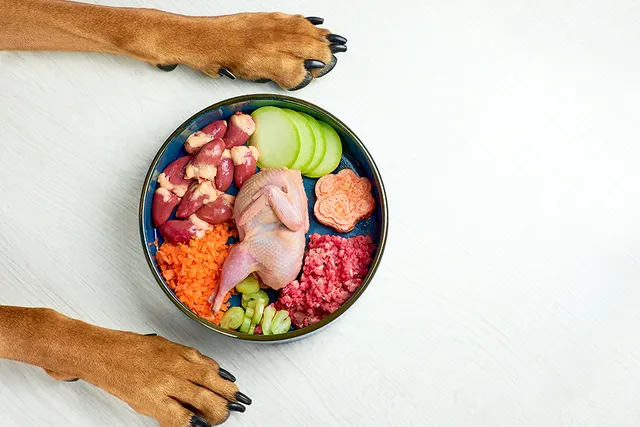
Of importance here is the fact that many dogs and other predatory animals kept as pets (such as cats) may harbor the Salmonella spp. bacteria in their intestines and appear perfectly healthy. This is more common in animals that are maintained on a raw or fresh diet. They often shed the bacteria in their feces, which makes them potentially dangerous for their human caretakers. This is part of the reason why cats and dogs intended to be registered as emotional support animals or working animals sometimes have legal restrictions that prohibit them from being kept on a raw or fresh diet.
What Causes Salmonella in Dogs?
Dogs can get salmonella from contaminated food, water, or surfaces, though most healthy adults are at very low risk from developing disease. They can also get it from consuming contaminated raw or undercooked meat, eggs, or animal by-products (such as milk).
Dogs that have weakened immune systems or pre-existing medical conditions are at a higher risk of developing signs associated with the disease. Because of their weaker immune system, puppies have a higher risk of contracting salmonellosis and experience more severe signs than adult dogs.

Signs of Salmonella in Dogs
The signs of salmonella are mostly related to their digestive system, though it may involve other systems too.
Some of the most common signs include:
If your dog shows any of these signs, it is important to speak to your vet immediately for proper diagnosis and treatment. Remember, the earlier salmonellosis is treated, the better the prognosis for recovery!
Diagnosing Salmonella in Dogs
Diagnosing salmonella in dogs can be challenging, as the signs can be similar to other illnesses. Your veterinarian may perform a physical examination, blood tests, and stool samples to diagnose the disease.
Important

Treatment of Salmonella in Dogs
The treatment of Salmonella in dogs typically involves supportive care and medication. Your veterinarian may recommend IV fluids to keep your dog hydrated and to replace any fluids lost through vomiting and diarrhea.
Antibiotics are the primary medication prescribed to help fight the infection. It is important to follow your veterinarian's instructions carefully and to complete the entire course of antibiotics to ensure that the infection is completely eradicated. Supportive care in the form of anti-emetics, a recovery diet, cage rest, and fluids might also be prescribed to your pup. Because the disease often presents itself with other concurrent ailments in adult dogs, those ailments would have to be addressed as well.
Treatment of Salmonella may vary depending on the severity. Some presentations may require confinement in a veterinary hospital, while less severe presentations may allow for home management. This highlights the importance of collaborating and following your veterinarian’s recommendations for the best prognosis of recovery!

How to Prevent Your Dog From Getting Salmonella
Preventing salmonella in dogs is essential to their health and well-being. As dogs are curious creatures who love to explore, preventing salmonella can be a challenging task. As responsible pet owners, however, there are a few steps to take to reduce the risk of your dog falling ill from salmonella. Here are some tips to help prevent salmonella in dogs.
1. Use Precautions With Raw & Fresh Diets
Animals that are on a raw or fresh diet should have their meat and animal by-products sourced from reputable sources or butchers. Look for outlets that perform multiple tests and procedures on their products; for example, look for certified outlets and sources of pasteurized meat, eggs, and milk instead of non-certified, non-credible sources. Be on the lookout for news regarding product recalls or outbreaks in your area or municipality.
As mentioned above, it is important to note that animals intended for work or to be used as support animals cannot be placed on a raw or fresh diet, as they are often in very close contact with people who may be immunocompromised.

2. Observe Good Hygiene
In order to protect your pup and yourself, it’s important to practice good hygiene when preparing food and cleaning your dog’s food dishes. Contrary to popular belief, washing your meat isn’t recommended, as any potentially harmful bacteria on the meat may easily spread all over your kitchen counter if you do so. Bacteria can easily stay for long periods of time in organic matter, such as wood; therefore, your kitchen would be more susceptible to long-term risk if you have wooden utensils, cutting boards, or countertops.
Your dog's food dish or bowl should be washed every day after each meal you feed them (regardless of what kind of diet they are on).
3. Keep Your Dog Away From Wildlife
Dogs, especially breeds with a strong prey drive, may constantly be compelled to chase animals outdoors. As dogs are curious creatures, they will likely take off and explore on their own if they see something that catches their eye.
Many wild animals may harbor harmful bacteria and other pathogens (such as parasites) that can be transmitted to your dog if they get close enough. Try your best to keep your dog away from wildlife to reduce the risk of transmitting salmonella to your dog.
Dogs can also get infected by other dogs, so take caution in dog parks to ensure your dog steers clear of the excrement of other animals. This is also why it’s important to pick up after your dog when you’re outdoors.

4. Regular Veterinarian Visits
Routine vet check-ups and visits are recommended to monitor your dog’s overall health. This is recommended not just for a bacterial infection but for other potential illnesses as well. Regular vet visits can help identify any underlying health issues and reduce the risk of chronic infections.

Final Thoughts
Like humans and other animals, dogs can also get salmonellosis, which is more commonly known as salmonella. Salmonellosis can be a serious health issue, and it is important to take precautions to prevent the spread of the bacteria and to seek veterinary care immediately if you suspect your dog has contracted the infection.
Feeding your dog a properly sourced diet, cooking food thoroughly (for homemade cooked treats if your dog isn’t on a raw diet), practicing good hygiene, and watching your dog when they’re outdoors can help prevent salmonella in dogs. Remember, taking good care of your furry friend is essential to their health and well-being!
See Also:
Sources
https://www.fda.gov/animal-veterinary/animal-health-literacy/get-facts-about-salmonella#:~:text=Salmonellosis%20is%20uncommon%20in%20dogs,other%20pets%20in%20the%20household.
https://www.petmd.com/dog/conditions/digestive/c_dg_salmonellosis
https://www.countryliving.com/uk/wildlife/pets/a36033658/can-dogs-get-salmonella/
Featured Image Credit: WikiImages, Pixabay
Expert dog care, straight to your inbox
Vet-reviewed advice, training tips, and the best of Dogster. Free, and you can unsubscribe anytime.
By signing up, you agree to our Terms & Conditions and Privacy & Cookies Policy.
Nicole has loved animals of all sizes her whole life so it's no wonder she has dedicated her career to helping them through what she loves best: learning, writing, and sharing knowledge with others. She’s the proud mom of two dogs, a cat, and a human. With a degree in Education and 15+ years of writing experience, Nicole wants to help pet parents and pets around the planet to live happy, safe, and healthy lives.
Join the conversation
Ask a question, share your story, or send private feedback.