Diarrhea & Vomiting in Dogs: Our Vet Explains the Signs, Causes & Treatment

In this article
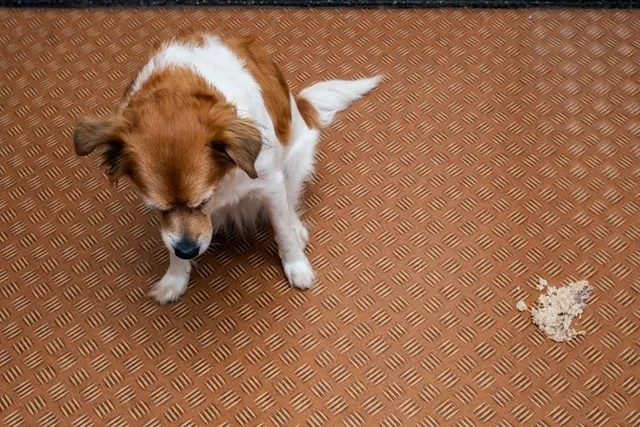
If your dog is vomiting, having diarrhea, or both, you are probably worried about your furry friend and wondering what to do. There are many possible causes for these signs. Taking note of the severity of your dog’s diarrhea or vomiting and trying to narrow down the cause will help determine the best course of action for treatment. In this article, we will discuss the possible causes of your dog’s vomiting and diarrhea, as well as potential treatment options.
However, the advice provided here is not a replacement for veterinary examination. If your dog is not well, contact your vet and get them checked out as soon as possible.

What Is Gastroenteritis?
Gastroenteritis is a broad term that refers to inflammation of your dog’s stomach and intestines. Dogs with gastroenteritis may have vomiting and diarrhea in periodic episodes throughout the day. There are two types of gastroenteritis: acute and chronic. Signs appear suddenly with acute gastroenteritis; with chronic gastroenteritis, signs can occur over multiple weeks, months, and, in some cases, years.
Your dog may not experience both diarrhea and vomiting at the same time; sometimes, dogs only experience diarrhea. Occasionally, a dog with gastroenteritis will experience vomiting with no diarrhea, but if this is the case, your vet may call it gastritis instead. Typically, dogs suffering from gastroenteritis will be disinterested in food and may be lethargic.
Their vomit may be yellowish, the color of bile or any other color, and may contain food. Their diarrhea will have a variable consistency, ranging from very soft-serve ice cream to proper liquid. Some dogs can pass more formed stools, in between the episodes of diarrhea. A dog with gastroenteritis can quickly dehydrate if signs continue for more than 24 hours. If there is any blood in your dog’s vomit or diarrhea, they should see a vet promptly.


Most Common Causes of Vomiting and Diarrhea
There are many possible reasons why a dog may be suffering from vomiting and diarrhea. Some causes of vomiting and diarrhea are related to the disorders primarily affecting the gastrointestinal tract, while others may be a consequence of another organ system disease. In that case, gastroenteritis may be a secondary issue. We have listed some common causes of gastroenteritis in dogs, but this list may not be exhaustive.
1. Viruses
Certain viruses, such as the parvovirus, particularly in young dogs and puppies that are not vaccinated, can cause vomiting and diarrhea often with blood, lethargy and fever. This can result in fatal illness and needs prompt and intensive treatment. To help prevent your dog from becoming infected with certain highly contagious viruses, particularly at a young age when they are more susceptible to infection, make sure their vaccinations are up to date.
2. Intestinal Parasites
There are many types of intestinal parasites that could affect your dog. Common parasites that may cause varying signs of vomiting and diarrhea, sometimes with blood, are roundworms, tapeworms, Giardia, and hookworms. If your dog has an intestinal parasite, it can usually be identified by examining your dog’s stool using various laboratory methods.

3. Bacterial Infection
Many bacteria can lead to gastroenteritis in dogs. Some of them are E.coli, Salmonella, and Leptospira, but they can also cause other, more severe signs of illness and damage to specific organs. These bacteria can be present in the environment, or dogs may be exposed to them through other infected animals, such as rodents, or by eating spoiled or contaminated food. Leptospirosis can be a life-threatening illness and needs prompt treatment. Speak to your vet about vaccinating your dog against Lepto.
4. Intussusception
Intussusception is when your dog’s intestine folds into itself, often due to a blockage or parasitic infestation, but it can also be caused by bacterial and viral infections or tumors that cause increased and abnormal gut motility. Signs of intussusception include vomiting and diarrhea, as well as dehydration, acute abdominal pain, loss of appetite, and lethargy. This condition is fatal and can lead to septic shock and irreversible intestinal damage if not recognized and treated promptly.
5. Foreign Objects and Inedible Materials
Swallowing things other than their food, such as stones, toys, clothes or other material, will primarily lead to vomiting in dogs. They may not experience diarrhea, they may strain to defecate, or even have normal stools. If you think your dog may have swallowed something they shouldn’t have, your vet can perform an X-ray to see if they can identify the object in your dog’s digestive system. A gastrointestinal blockage often requires endoscopy or surgery to remove the material blocking the dog’s stomach or intestines. Sometimes, dogs eat materials that do not cause an obstruction but lead to gastroenteritis, such as various nontoxic plants, table scraps, soil, or others, as they’re not digestible and irritate the stomach and intestine.

6. Poisoning
If your dog begins to vomit suddenly, is drooling, pale, experiencing neurological signs, or has vomit or stool that contains blood, it could be a sign that they have ingested something toxic. Contact your vet or emergency service immediately if you think your dog is showing signs of illness or you suspect they may have eaten something poisonous.
7. Endocrine Disease
Intestinal problems in your dog could be a sign of endocrine diseases, such as diabetes or Addison’s disease. If your dog is overweight, diabetes could be the culprit. Check with your vet to ensure your dog is properly diagnosed since both conditions can be life-threatening and need lifelong management and treatment.
8. Tumors
Tumors, particularly in the digestive tract, can cause diarrhea and vomiting in dogs. Likewise, a dog that is already being treated for cancer with chemotherapy may experience nausea, reduced appetite, diarrhea and vomiting. Tumors that affect other organ systems, such as the liver, may also lead to gastroenteritis, alongside other signs.

9. Organ System Disease
Underlying illnesses, such as kidney or liver disease, can also lead to signs of vomiting and diarrhea. They are often combined with other signs of disease, such as increased thirst and urination in case of kidney disease or jaundice with liver disease. If your dog shows any signs of illness, contact your vet immediately.
10. Gastric Dilatation and Torsion or Bloat
This is a life-threatening condition that mainly occurs in large and giant deep-chested dogs, but it can occur in other breeds as well. It leads to a severe gas dilation of the stomach that twists and becomes increasingly distended, putting a lot of pressure on the blood vessels in the abdomen and on the diaphragm, impacting breathing. It’s fatal if left untreated, and it requires urgent surgery to correct the position of the stomach.
Dogs can experience vomiting, but more often they are unsuccessfully trying to vomit, not bringing anything back up, with retching, burping, and a tense and distended abdomen. The belly size can increase drastically and make it very difficult for your dog to breathe properly, as the condition progresses. There are many risk factors thought to be responsible for some dogs being more prone to this disorder, such as eating only one meal a day, being overweight or thin, suffering from anxiety, or other. Some of the ways to reduce this risk are by feeding frequent smaller meals throughout the day instead of one or two big meals, adding canned food, and avoiding any exercise before or for several hours after feeding time.
However, this condition may still occur, particularly in anxious dogs, those with a family history of bloat, or those who tend to eat quickly.
11. Pancreatitis
Pancreatitis is inflammation of the pancreas, a gland that participates in food digestion and produces important enzymes and hormones. Pancreatitis can develop spontaneously, with no known underlying cause, or can be secondary to certain medications or inappropriate foods, like fatty table scraps. Often, these dogs require veterinary attention and symptomatic treatment, and sometimes, the condition can even be life threatening, so prompt diagnosis and treatment are crucial.

12. Hemorrhagic Gastroenteritis
This is a condition characterized by the dog passing fresh blood in the stool, or hemorrhagic diarrhea, often quite abundantly, and typically feeling nauseous, vomiting, and refusing food. It also goes by the name of acute hemorrhagic diarrhea syndrome. It’s not entirely clear what causes it, but there are several predisposing factors such as bacterial infection, dietary indiscretion, ingestion of toxins, or pancreatitis, leading to irritation and damage of the intestinal lining. It requires veterinary treatment and rehydration, and most dogs make a full recovery.
13. Certain Medication
Some kinds of medications, such as steroids, nonsteroidal anti-inflammatories, or even some antibiotics, can lead to signs of gastroenteritis in dogs. Not all dogs will develop these signs. If your dog is on long-term treatment and has vomiting or diarrhea, speak to your vet as soon as possible. If left untreated and the meds continue without consulting your vet, sometimes this can lead to severe health issues, such as stomach ulcers in case of certain medications, which can be life-threatening.
14. Food Allergies
Food allergies in dogs are quite common and may lead to signs of gastroenteritis, although more often, they affect the skin, leading to allergic skin disease. This manifests as excessive itching, licking, scratching, skin sores on the paws, frequent ear infections, vomiting, diarrhea, excess gas, weight loss, and lethargy. Dogs are most commonly allergic to dairy, beef, chicken, and eggs. Speak to your vet if you believe your dog has food allergies.

15. Inflammatory Bowel Disease
Inflammatory bowel disease, or IBD for short, is a syndrome in dogs that is characterized by chronic irritation of the gastrointestinal tract, which manifests as vomiting, weight loss, diarrhea, and poor appetite. Often, the exact cause is unknown and requires a lengthy diagnostic process to rule out bacterial, viral, and parasitic causes and food allergies.
Possible Treatments
Now that you know some of the potential causes of vomiting and diarrhea in dogs, let’s break down the different options for treatment. If your dog is vomiting or having diarrhea, it’s always best to speak to your vet first. As you can see, there are many causes for vomiting and diarrhea, and some are more serious than others, while quite a few can be life threatening if left untreated.
Your vet will offer advice on whether to try home management first or bring your dog in immediately. Also, if your dog is getting worse, it's best not to waste time and get them checked out promptly.
For Very Mild or Short-Term Diarrhea or Vomiting in Dogs
Not all cases of diarrhea and vomiting are serious, but it can be difficult to know in the beginning. Speaking to your vet can help you decide if your dog requires treatment or can be managed and monitored at home. In mild cases, your vet may recommend trying home remedies first. If your dog has only vomited once, is not otherwise unwell, and is not a puppy or an older dog with underlying health concerns, your vet may suggest withholding food for several hours. This is generally for up to 8–12 hours, depending on the individual animal, their age, and the cause of their sickness.
After that initial period, you can start slowly reintroducing food into your dog’s diet, ideally bland and simple low-fat proteins such as chicken (unless your dog has a chicken allergy). However, while you withhold food, ensure your dog is still getting plenty of water. Young puppies and older dogs or dogs taking ongoing medication should be checked out by your vet promptly, as starving them can cause further health issues, and they may be more prone to dehydration.
For diarrhea, you could try giving your dog a bland diet of boiled chicken and white rice. There are also nutritious prescription diets formulated to aid in digestive tract recovery, suitable for most dogs. As your dog’s stools start returning to normal, you can slowly reintroduce their normal dog food into the diet. Any food changes need to be done gradually over 7 days. You could also try giving them probiotics to see if their stools improve, as the intestinal microbiome recovers. There are veterinary probiotics available at pet stores and your local vet. Consider collecting a poo sample over 3 days, as your vet may need to send it off if your dog’s stools are not improving.

Visiting the Vet
If your dog’s vomiting or diarrhea doesn’t improve or gets worse within 12 to 24 hours, or they are lethargic and weak, not wanting to move, refusing food, drooling, have a distended abdomen, labored breathing, pale gums, blood in the vomit or stool or black stools, it’s crucial to see a vet straight away. If you have an unwell puppy or an elderly dog, don’t wait to seek treatment. If your dog is bloated and retching, not being able to vomit, this is an emergency and they should see the vet immediately.
Only your vet can examine your dog to determine what exactly is causing these signs. Make sure you share your dog’s medical history with your vet so that they can make an accurate diagnosis. The sooner they receive a diagnosis, the sooner their path to recovery and comfort can begin.
Conclusion
It can be unpleasant and scary when your dog is vomiting and having diarrhea. Pay close attention to your dog’s signs; if they seem mild, speak to your vet, who may advise you to try some home remedies. If your dog’s signs are worsening or are severe, or if you are simply unsure, take them to the vet to ensure they get adequate care. Hopefully, your pet will be feeling better in no time.
You may also be interested in:
Sources
Featured Image Credit: Yavdat, Shutterstock
Expert dog care, straight to your inbox
News, insights, expert advice, and everything dog.

No spam — unsubscribe anytime.
By signing up, you agree to our Terms & Conditions and Privacy & Cookies Policy.
How useful was this post?
Click a star to rate. You can leave written feedback afterwards. (We read all feedback.)
Dr. Maja Platisa DVM MRCVS (Veterinarian)
Maja joined our team in March 2023 as one of our in-house veterinarians. She is passionate about animals and their health and loves to help the readers with any issues or questions they have regarding their four-legged friends and other animal companions. Her passion is small animal medicine and emergency work, while she also has a great interest in animal welfare.
Dr. Platisa has 8 years of professional experience working with numerous animal species in the UK and the Channel Islands, from dogs, cats, rabbits, guinea pigs, to cows, goats, sheep, pigs, and poultry. Maja is enthusiastic about veterinary volunteer work and often helps in neutering projects for stray animals in Greece. She has a wide array of skills in the fields of animal medicine and surgery, endoscopy, microscopy, diagnostic imaging, and other aspects of clinical work.
Maja obtained her veterinary training and degree from the Faculty of Veterinary Medicine, University of Zagreb, Croatia, in 2015.