How to Manage Territorial Aggression in Dogs: Causes & Vet-Approved Tips


In this article
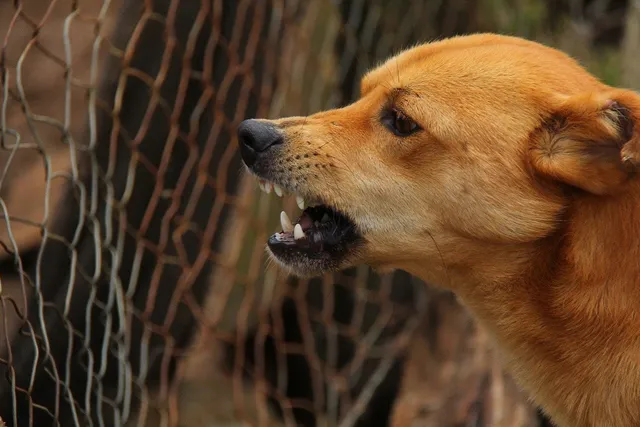
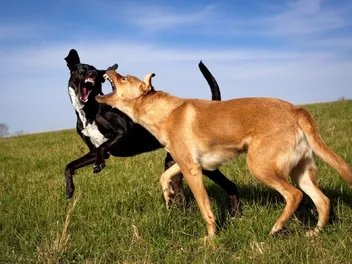
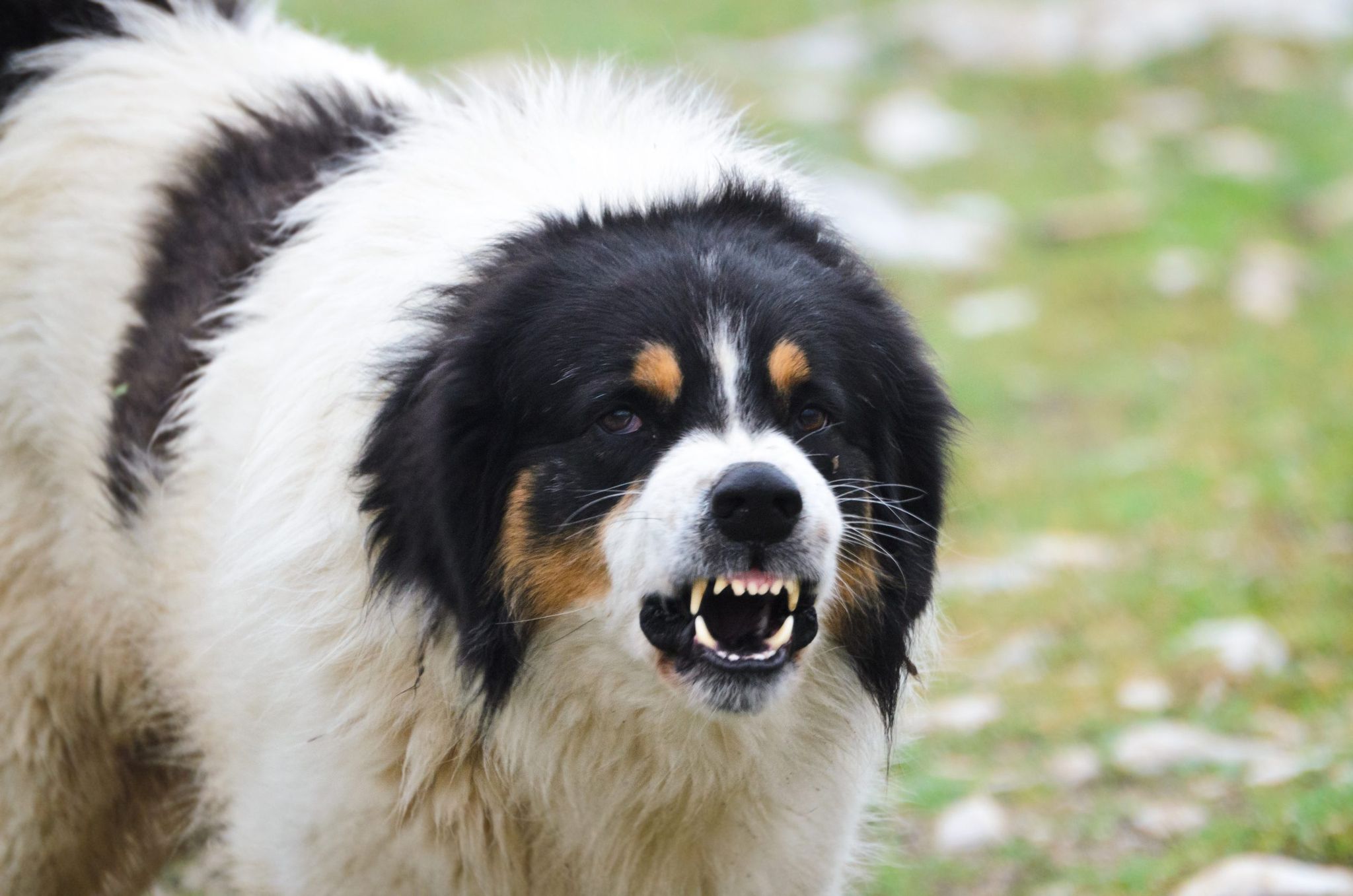
Does your dog incessantly bark at every single thing that even comes remotely close to the house or yard? Whether it’s a little bird or a delivery person, some dogs bark at every perceived threat. When your dog is acting this way, they're being territorial, trying to let the approaching creature know that this space belongs to your dog and their pack and that they shouldn’t come near.
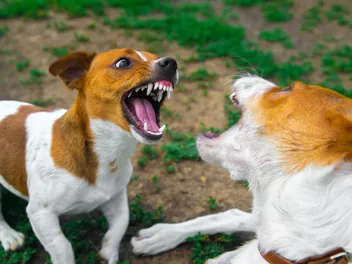
Territorial behavior is normal in dogs, but when it turns into aggression, it can start to become a problem. There’s even the potential for your dog to hurt someone who comes onto your property, which could lead to a litany of headaches for you and be even worse for your dog. Luckily, you can help avoid this problem with a bit of training and preplanning.

What Is Territorial Aggression in Dogs?
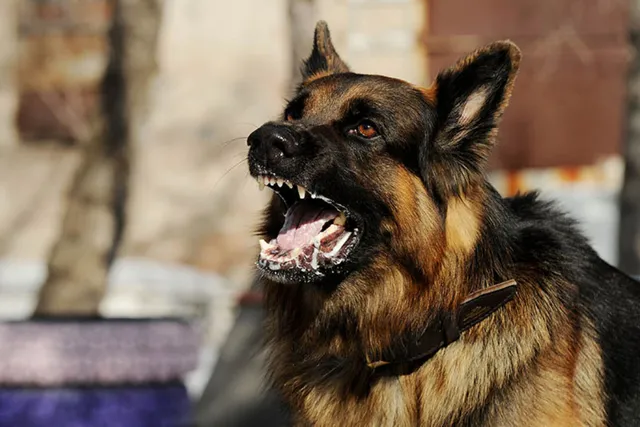
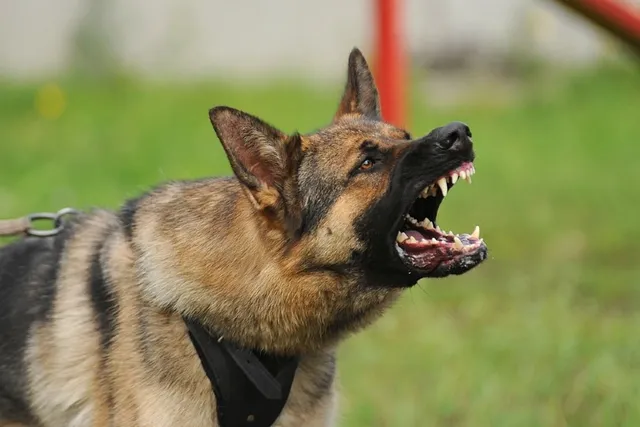
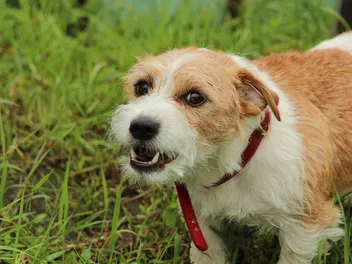
There are many types of aggression that dogs can exhibit, but territorial aggression is one of the most sensible types, as territorial behaviors are ingrained in a dog’s genes. Territorial aggression is what your dog exhibits when people or other animals are getting too close to the space that your dog perceives as belonging to them. Your dog believes that they need to protect their things and home, so they turn to aggressive tactics to deter the offending person or animal.

Why Are Dogs Territorial?
Territorial behaviors are natural for dogs. They’re part of a survival instinct that’s aimed at keeping the dog’s resources safe. Over the centuries, having resources stockpiled has meant a higher chance of survival for dogs, which is also why many dogs bury things in the yard.
Granted, today, there’s not as much need for such behaviors. In fact, for most dogs, there’s no need for territorial behaviors at all, even though they can sometimes be a blessing, such as when your dog barks to alert you that a stranger is approaching the house. But when your dog starts barking at every passerby, you know that their territorial behavior is getting a bit out of hand.
Scent Marking
Scent marking or urine marking is one of the most common territorial behaviors that you’ll see in dogs, particularly males. This is when a dog picks up their leg in order to urinate on an object. It’s not just peeing, however. The dog is marking their territory, leaving a strong scent marker to indicate to other animals that this is their space now.
If you have a male dog, you’ll probably see him marking his territory all around your yard. He will urinate on just about everything; bushes, fences, flowers, trees, chairs—pretty much anything in the yard is fair game to your dog, which is the biggest annoyance of scent marking overall.
Getting your dog fixed can go a long way toward preventing urine marking, especially if you get it done early enough in your dog’s life.


Causes of Territorial Aggression
There are many causes of territorial aggression, but one of the most common is simply poor socialization. Proper socialization is essential for a dog’s temperament. It should begin early in the dog’s life and be a regular habit from that point on. Dogs that are properly socialized are far less likely to exhibit signs of territorial aggression.
Of course, there are other reasons that a dog might be acting territorially aggressive, including:
Common Signs of Territorial Behavior
Territorial behavior has several signs that can help make it easy to identify. You’ll likely see:
Curbing Aggressive Territorial Behaviors in Dogs
While some basic territorial behaviors aren’t bad on their own, aggressive territorial behaviors can become unsafe quickly in the wrong situation. For that reason, it’s good to do what you can to put a stop to your dog’s aggressive territorial behaviors. It’s for your dog’s safety and the safety of others.
Obedience Training
Obedience training and a behavior plan will be among the best methods of curbing your dog’s territorial aggression. This type of training can give your dog more confidence, and it will help them to understand which behaviors are acceptable and which ones aren’t.

Strong Recall Skills
Recall is your dog’s ability to come when called. While your dog might come to you in the quiet of your home, will they listen under pressure or in a crowded space? Working on improving your dog’s recall skills will make it much easier to get them under control and calm if they do start showing aggressive behaviors.
Making Your Dog Earn Their Resources
This involves a type of reward-based training that teaches your dog to work for what they want and need. The idea is that a territorial dog feels entitled to their food, treats, and space, but you can teach them that they must earn everything that they want and that all of those things come only from you. This type of training is often called, “Nothing In Life Is Free” training, and it should begin once your dog has mastered the basics of recall and obedience training. Ask a veterinarian how exactly to perform this kind of training if you don't feel confident.
Quiet Command
For many dogs exhibiting territorial aggression, it starts with a growl and a slow backing up. You can train your dog to stop the growl and return to a calm state at your command. Once your dog has mastered this, you can give the command when they're being aggressive, and it should calm them right down.
Differential Reinforcer Opportunities
The best way of managing aggression is to prevent it. As a responsible territorial dog owner, you must teach them that upon presentation of a trigger, they can choose to do something completely incompatible with aggression and have the opportunity to earn a reinforcer. Things like sitting over a designated mat or bringing a ball or a toy back are things that your dog is physically unable to do if they bite a stranger. This, combined with other counter-conditioning techniques, can help to change your dog’s feelings and perception of how they are expected to act.
Lowering Stress and Anxiety Levels

Often, when dogs are exhibiting territorial aggression, there’s a lot of underlying stress and anxiety behind it. If you lower the amount of stress and anxiety your dog is dealing with, the territorial behaviors may also cease. Luckily, there are many tools available to help with this task, including calming collars, puzzle toys, and chew toys. You can also use supplements that are intended to calm dogs. Just feed one to your dog, and it should help them to return to a calm state.
Next on your reading list: Why Do Dogs Kick After They Poop?
Conclusion
Territorial aggression in dogs is common. After all, territorial behavior is natural for dogs, and it has benefited them in the past. For most dogs, the displays of territorial behavior are minimal, mostly confined to scent marking and burying their toys or bones. But when dogs turn aggressive, it becomes a problem.
Poor socialization is commonly the cause of such territorial aggression, though other factors can be to blame, such as reproductive status, environmental factors, poorly managed guarding predispositions, and inadvertently reinforced behaviors. Fortunately, there are many ways that you can help to alleviate this issue, such as doing obedience training, socialization, teaching your dog strong recall skills, or lowering your dog’s overall stress and anxiety levels.
Related Reads:
Featured Image Credit: Agnes Kantaruk, Shutterstock
Expert dog care, straight to your inbox
News, insights, expert advice, and everything dog.

No spam — unsubscribe anytime.
By signing up, you agree to our Terms & Conditions and Privacy & Cookies Policy.
How useful was this post?
Click a star to rate. You can leave written feedback afterwards. (We read all feedback.)
An avid outdoorsman, Dean spends much of his time adventuring through the diverse terrain of the southwest United States with his closest companion, his dog, Gohan. He gains experience on a full-time journey of exploration. For Dean, few passions lie closer to his heart than learning. An apt researcher and reader, he loves to investigate interesting topics such as history, economics, relationships, pets, politics, and more.