When Can Puppies Go Outside for the First Time? Vet-Reviewed Guide



When getting a new puppy, housebreaking is often at the forefront of everyone’s mind. Few people want to be cleaning up pee for very long and want to ensure that they’re able to leave their puppy home while they work safely. But when can puppies start going outside? The short answer is when they have received their full vaccination course, usually when they’re around 16 weeks old.

Why Puppies Shouldn't Go Outside Too Soon
Puppies usually get to their new homes at 8 weeks of age when they can be removed from their mother’s watchful eye. This is also the time when they usually receive their first dose of vaccines. However, they don’t receive their last round of vaccinations until they’re about 16 weeks old, so taking them outside too young can leave them vulnerable to illnesses that they’re not yet vaccinated against.
This time is also a crucial period for house training. You can take your puppy outside for pee breaks and help them get the hang of housebreaking, but you’ll have to take special precautions until they’ve received their last round of immunizations.


Puppy Vaccination Schedule
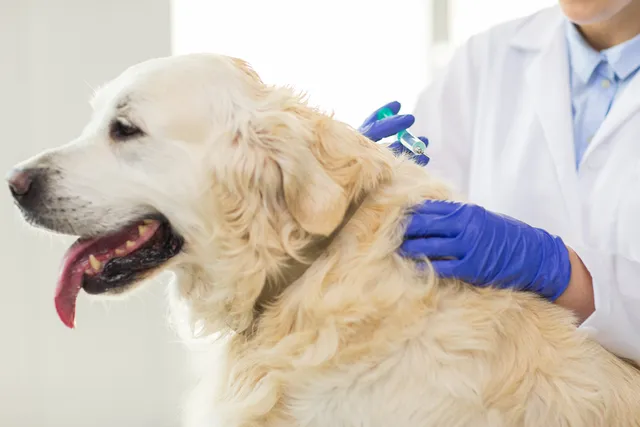
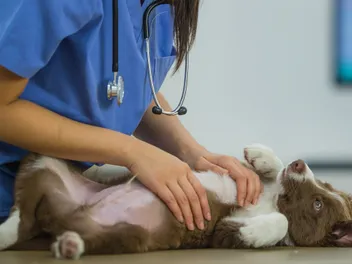
Taking your puppy to the vet multiple times in their first year of life and then again for booster shots might seem like a hassle, but it’s the only way to protect your dog against potentially life-threatening illnesses.
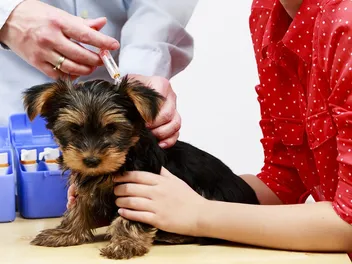
Puppies will receive a series of vaccinations over their first year of life, and most of them will take place between the 8- and 16-week marks. The vet will create a vaccination plan tailored for your dog based on their age, breed, lifestyle, geographical location, and history. Dog vaccines are separated into two categories: core vaccines (the ones that are required by all dogs) and non-core vaccines (required depending on lifestyle and location). Let’s look at the general timeline and what the core vaccines dogs receive are to get a clear picture of the risks.
1. 6-8 Weeks: Distemper & Parvovirus
Distemper is a severe viral disease passed between dogs either through coughing and sneezing or shared water, food, or other equipment. Distemper attacks the respiratory and nervous systems and can cause vomiting, diarrhea, seizures, paralysis, and death.
Parvovirus is, as well, a severe viral disease that can affect puppies. The virus attacks the gastrointestinal system, causing loss of appetite, vomiting, and severe, bloody diarrhea. The dehydration can kill a dog within a couple of days if left untreated.
There is no current cure for parvovirus. The way to beat it is to provide treatment under veterinary attention until their immune system manages to fend off the virus.
2. 10-12 Weeks: DHPP (Distemper, Hepatitis, Parainfluenza, Parvovirus)
Canine adenovirus type 2 (CAV-2) vaccine is given to dogs to protect them from respiratory problems and against canine infectious hepatitis.
Canine infectious hepatitis is a disease that affects the liver, kidneys, spleen, lungs, and eyes. While many dogs can catch a mild form of it, a severe infection can be deadly. The treatment involves treating the symptoms while helping dogs fight the virus.
Canine parainfluenza and canine adenovirus are two of the pathogens that can cause kennel cough or canine infectious respiratory disease complex. It infects the upper airways and is very contagious. It causes dry coughing that can sometimes be severe enough to cause bouts of retching or vomiting. While “kennel cough” is usually a mild problem, certain dogs can get pneumonia and be at greater risk of death.

3. 16-18 weeks: DHPP, Rabies
The rabies vaccine is the big one. A bite usually transmits the rabies virus from one rabid animal to another. The disease attacks the central nervous system and causes headaches, hallucinations, paralysis, fear of water, and, eventually, death. Treatment for rabies is necessary within hours. By the time signs of rabies begin to show up, death becomes unavoidable.
Rabies is a worldwide zoonotic disease (transmitted from animals to humans) and vaccinating dogs is the best strategy for preventing rabies in people. Even vaccinated animals should be taken for veterinary treatment if bitten by another animal. Animals should be given veterinary attention even if the biter is also vaccinated against rabies. Transmission of the disease is highly deadly, and the best chances of survival are in animals who are vaccinated and receive immediate veterinary attention.
At 12-16 months, your puppy will get boosters for DHPP and rabies that will be given yearly to every three years, depending on the vaccine and your location. Though once they’ve got their final puppy booster, they’re ready to explore the world on foot with you!
If you're unsure of where to start on your puppy's health journey, a consultation with a vet could be beneficial!
Taking Your Puppy Out Before Vaccination
Puppies cannot fend off a lot of the diseases that we associate with animals because they are not old enough to be vaccinated. So how can you get a head start on housebreaking without putting your new family member at risk?
You’ll want to stick to places where bacteria, viruses, and parasites are unlikely to thrive until your puppy is vaccinated. Staying to paved areas like concrete sidewalks and lots will help protect your puppy against bugs that they can’t yet fend off on their own.
If you want to explore the great outdoors with them, you might consider getting a bike basket for your puppy to sit in while you take them around. This perch keeps them safely off the ground and out of reach for most illness transmission.
You can also visit dogs that you know are up to date on their vaccinations with your puppy since they won’t pose any threat to your vulnerable dog. Seeing safe animals can help with essential socialization needs while keeping your puppy safe from any pathogens that might be present at a place like a dog park.

Summing Up
Unvaccinated puppies are vulnerable to many threats that their older vaccinated siblings don’t have to worry about. So, it’s up to us to take care of them and ensure that they’re kept safe from anything which might harm them during this critical growth period. With proper precautions, you can take your young puppy out without fear that they’ll contract something from an unknown animal.
See Also:
Featured Image Credit: sima, Shutterstock
Expert dog care, straight to your inbox
News, insights, expert advice, and everything dog.

No spam — unsubscribe anytime.
By signing up, you agree to our Terms & Conditions and Privacy & Cookies Policy.
How useful was this post?
Click a star to rate. You can leave written feedback afterwards. (We read all feedback.)
Nicole has loved animals of all sizes her whole life so it's no wonder she has dedicated her career to helping them through what she loves best: learning, writing, and sharing knowledge with others. She’s the proud mom of two dogs, a cat, and a human. With a degree in Education and 15+ years of writing experience, Nicole wants to help pet parents and pets around the planet to live happy, safe, and healthy lives.